7 October 2026
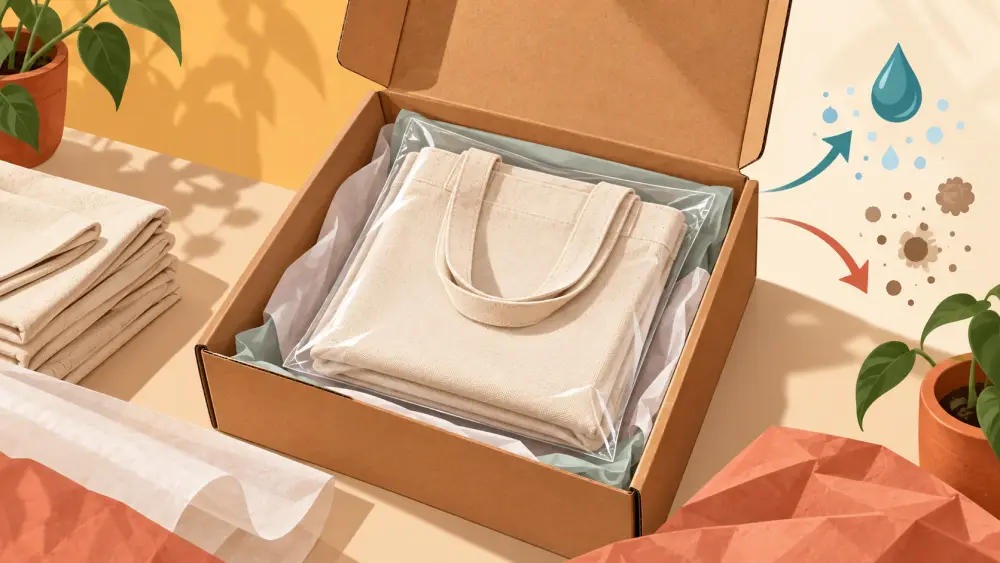
How to pack tote bags so they reach the customer safely
Tote bags are soft, so the real risks are creasing, dirt and damp. Here is a simple fold-and-seal routine for packing them compactly.
Read more →Practical guides, independent brands, and the details that make a store yours.
Tote bags are soft, so the real risks are creasing, dirt and damp. Here is a simple fold-and-seal routine for packing them compactly.
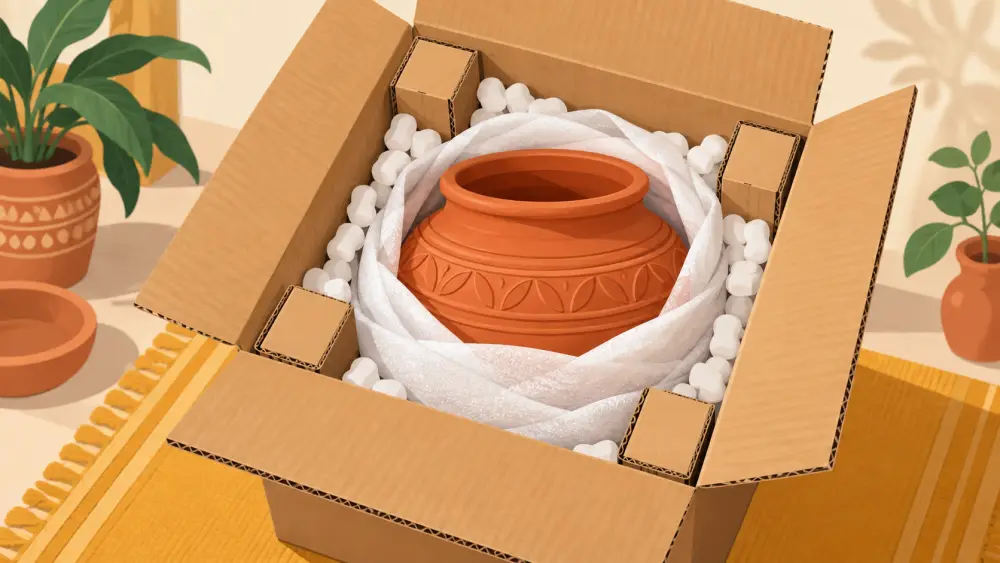
Read more →Practical packing steps for terracotta sellers, aimed at stopping cracks and chips on arrival with wrap, cushioning and a sturdy outer box.
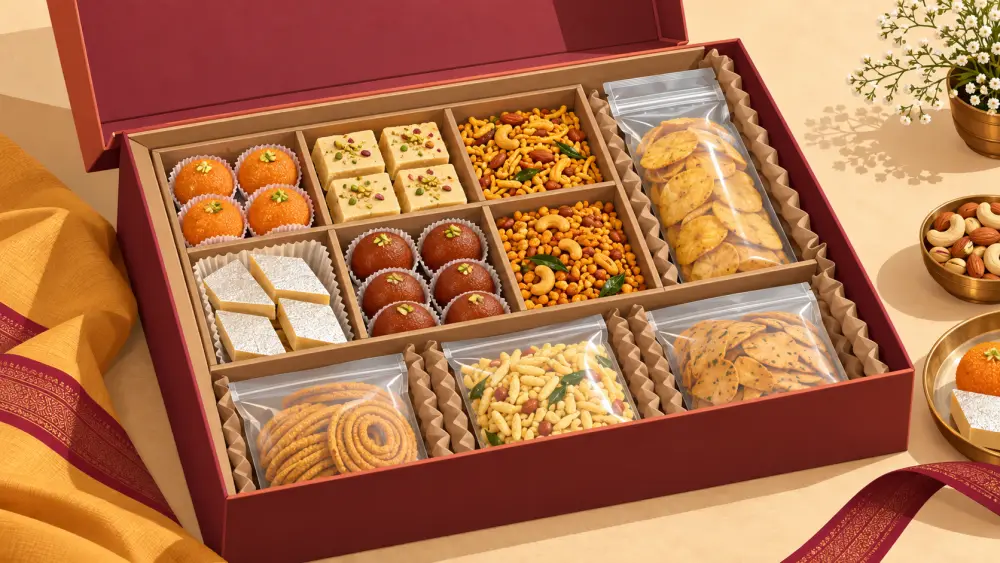
Read more →Use rigid boxes, inner trays and sealed pouches so delicate sweets and crisp snacks keep their shape and texture, without relying on any storage claims.
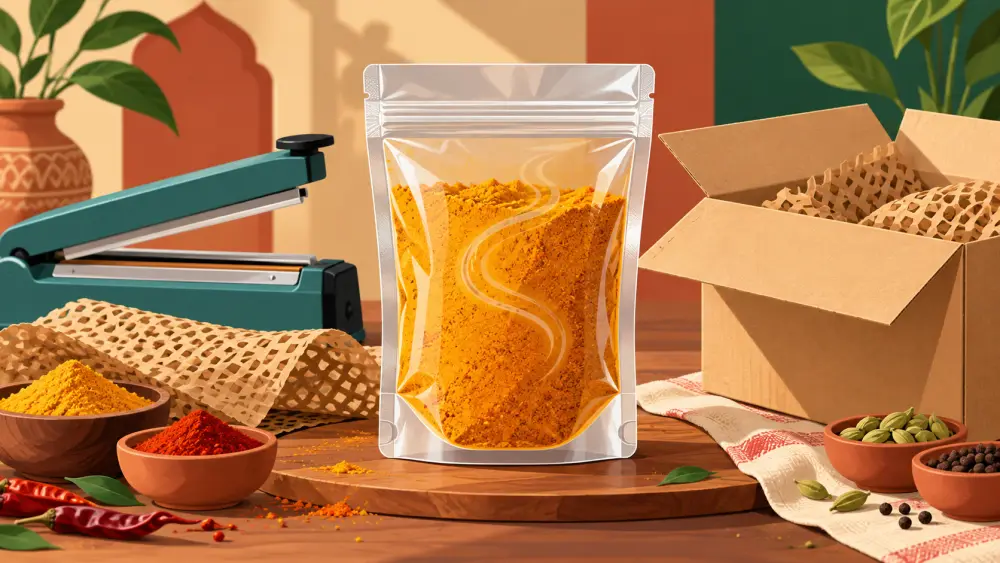
Read more →Spices lose their value if the aroma leaks or the powder spills. A practical packing routine built around airtight sealing, for home and small-batch spice sellers.
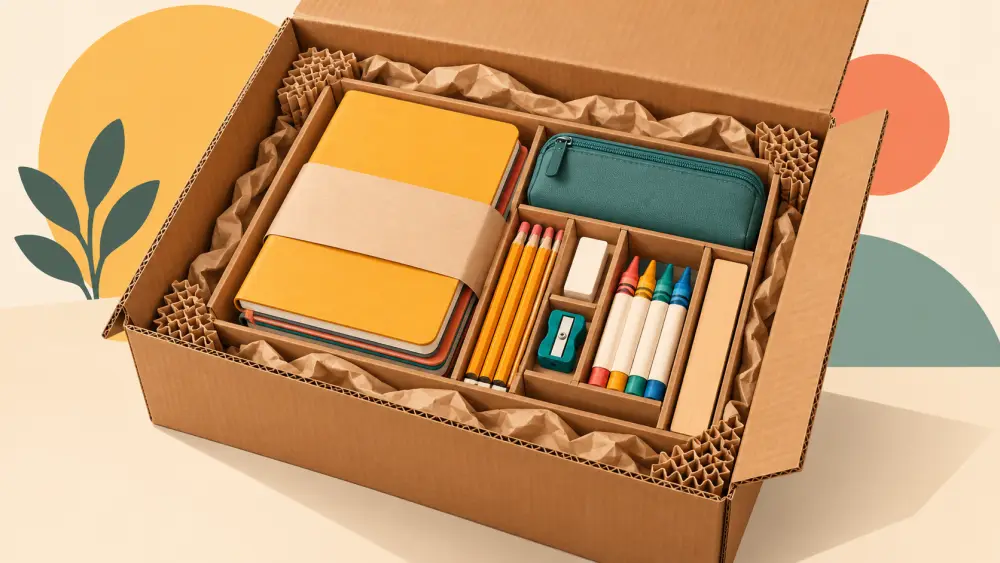
Read more →Practical packing steps for stationery and school set sellers, focused on bundles that stay together and arrive complete.
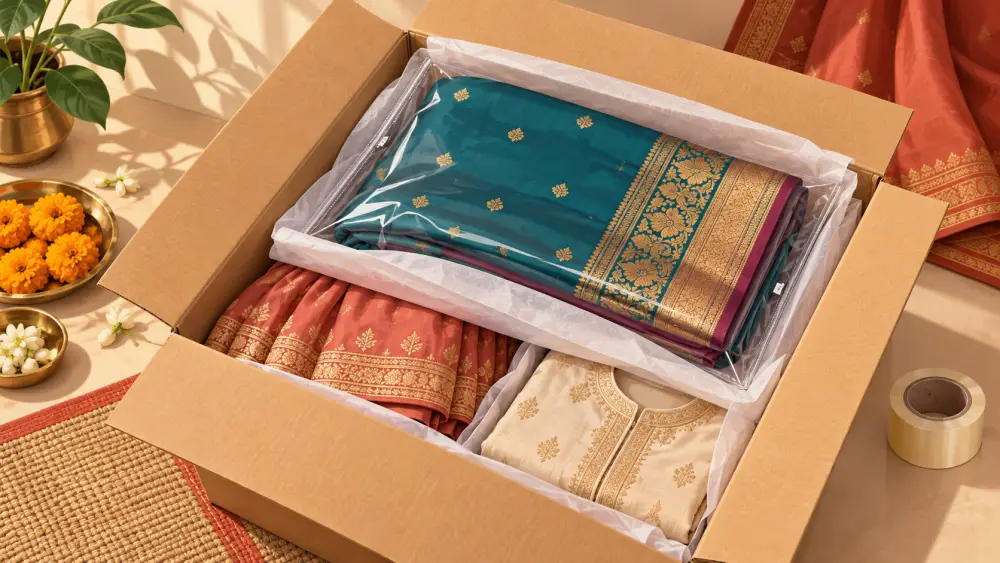
Read more →How to fold, wrap and seal sarees, lehengas and kurta sets so they reach a customer looking cared for, with realistic expectations about creases.
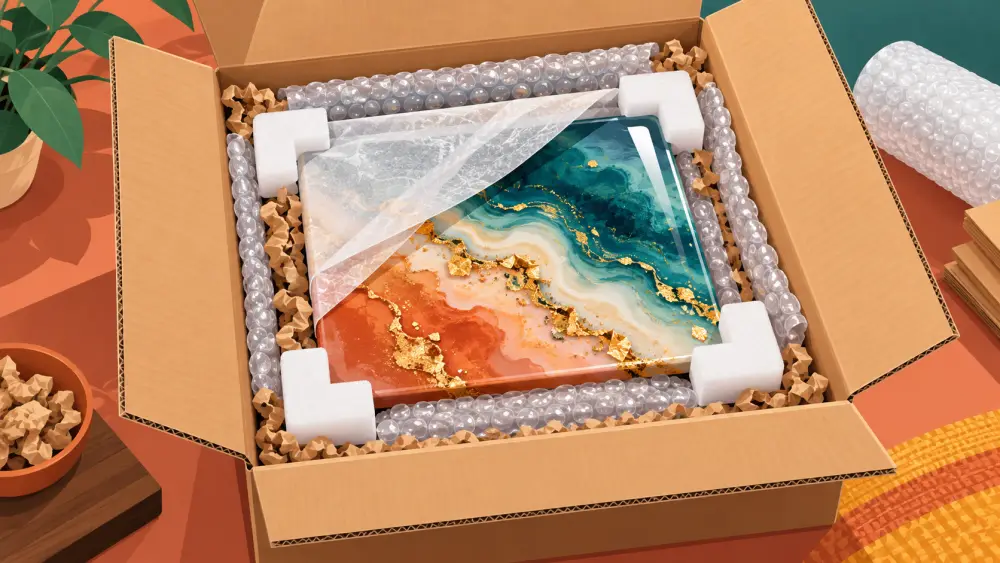
Read more →Resin scratches easily, chips at the corners and can crack under pressure. These packing steps protect the glossy surface and the edges.
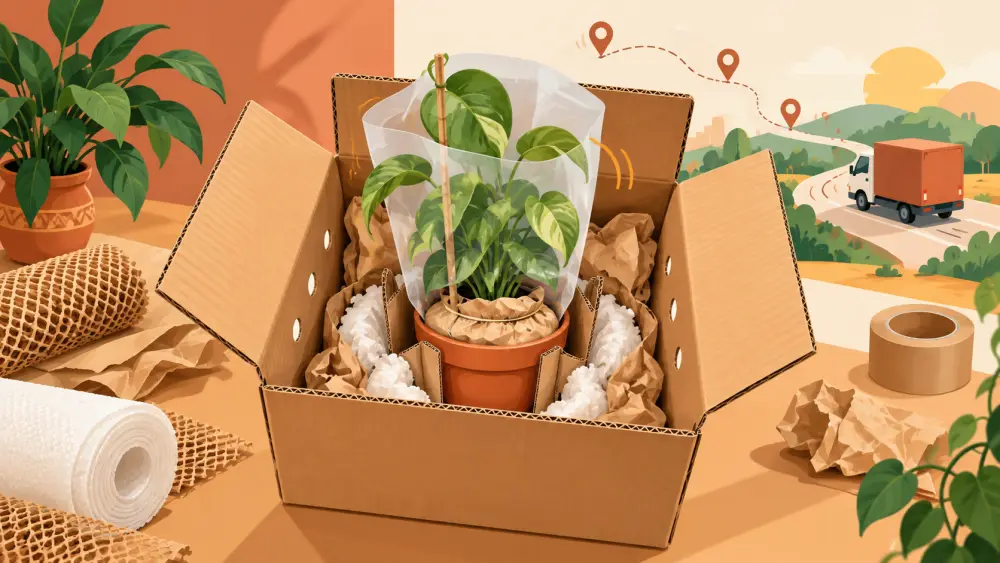
Read more →What sellers should think about before shipping plants, and general packing ideas that reduce stress on live products without promising survival.
Read more →Double seal the jar, wrap it in a liner bag with absorbent paper and pack it upright in a firm box, which cuts the chance of an oily mess without promising zero leaks.
Read more →Couriers may restrict some liquids, so ask your courier before you list or ship, and then pack with sealed closures, cushioning and a sturdy box.
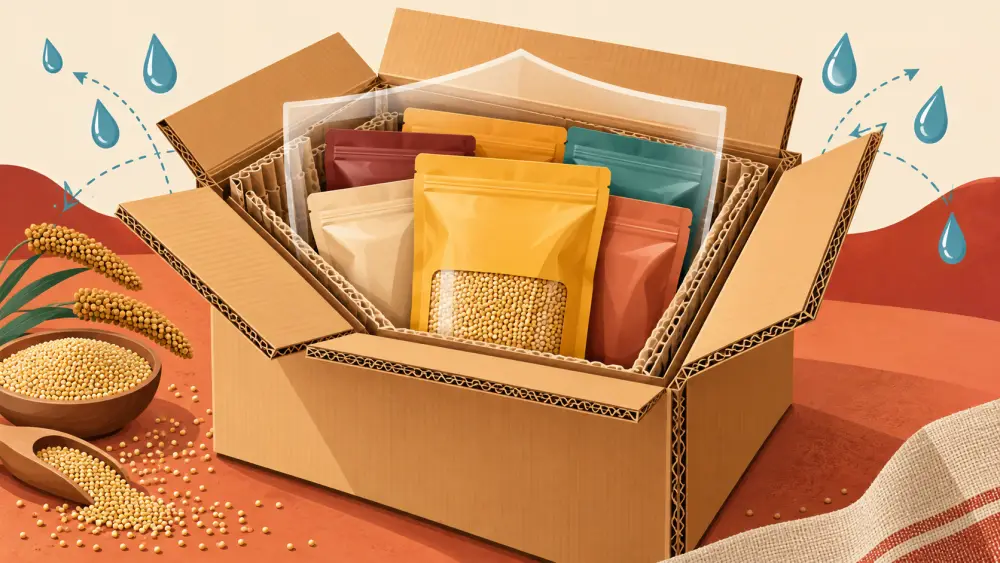
Read more →Millets are heavy, dry and sensitive to moisture. A packing routine built on moisture-proof pouches inside sturdy cartons.
Read more →Mehendi cones burst when squeezed and lose quality in heat. Pack them upright, sealed and padded, and keep the parcel out of the sun.
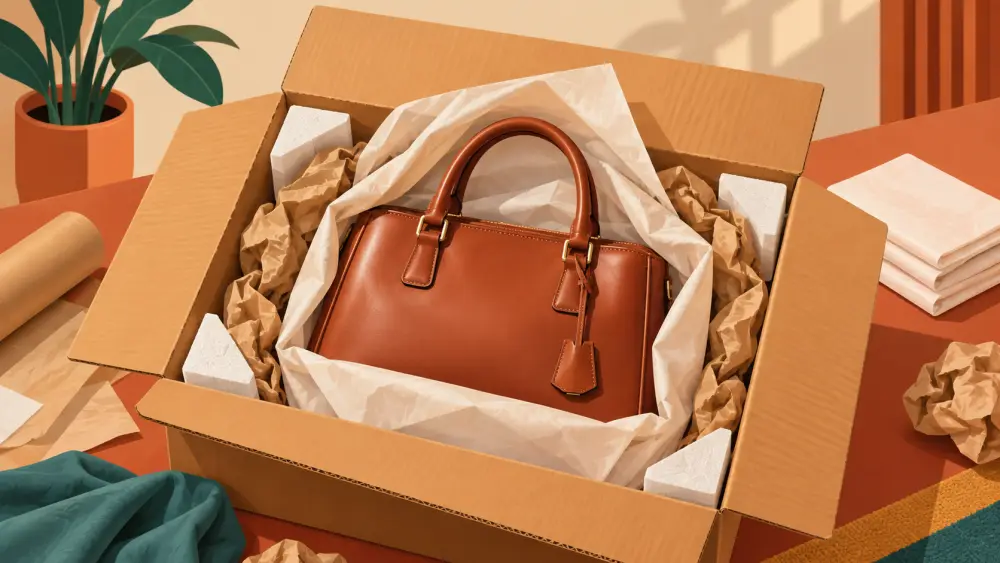
Read more →Leather rarely breaks, but it dents, creases and picks up scuffs in transit. Stuffing and wrapping are what keep the shape and finish intact.
Read more →Pouches, small boxes and card holders inside a padded mailer, with a layer-by-layer way to stop chains tangling and stones rubbing in transit.
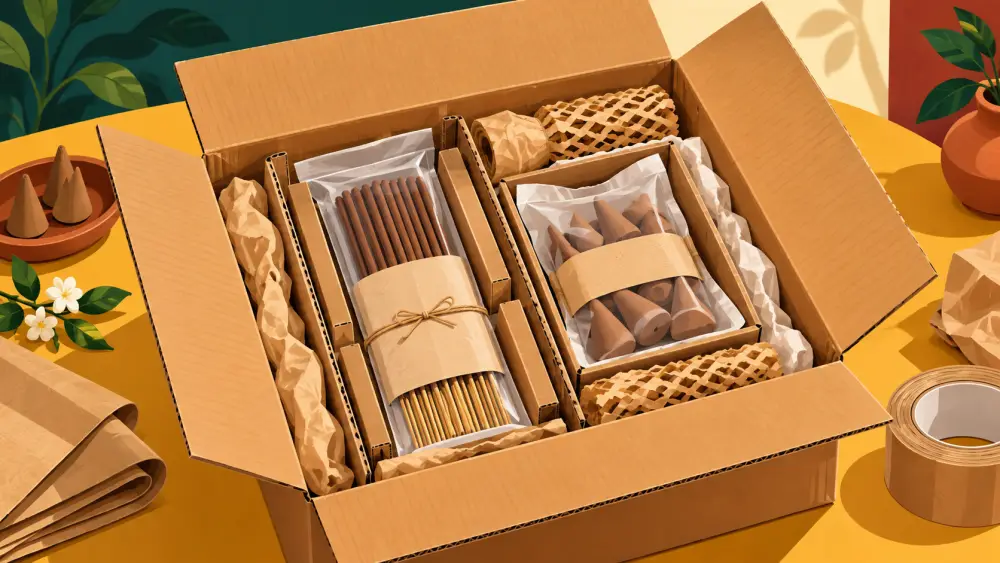
Read more →Incense has two shipping problems, scent that escapes and sticks that snap. Here is how to deal with both with ordinary packing material.
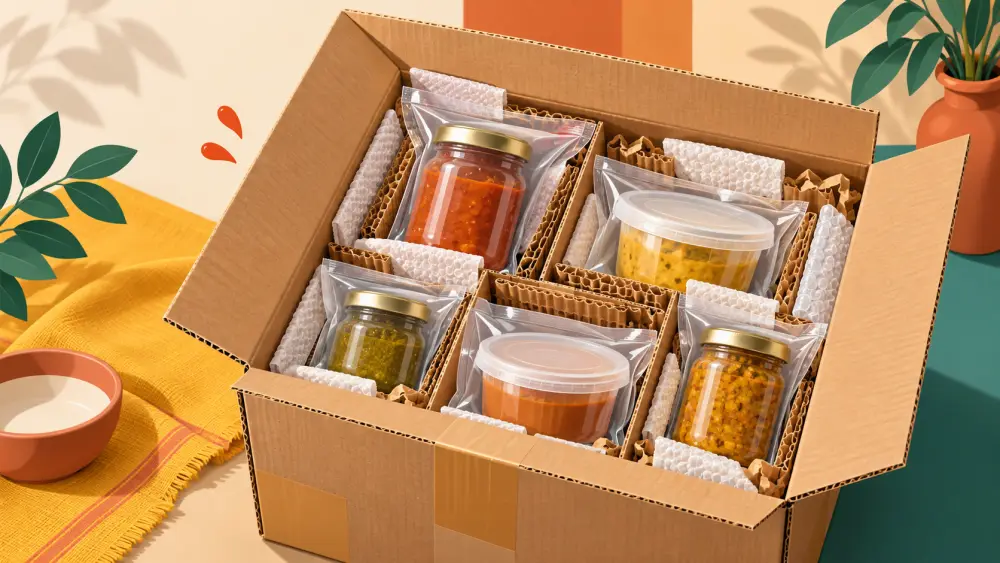
Read more →Use clean sealed containers, control leaks with liners, and put everything in a sturdy outer box, and check food safety rules with official FSSAI sources.
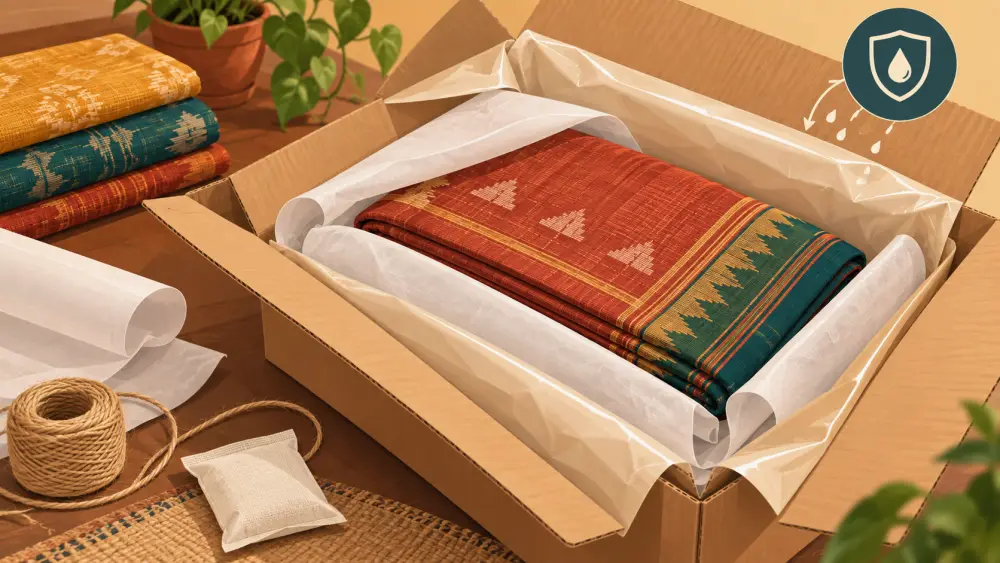
Read more →Practical packing steps for handloom sellers, focused on a fold-and-wrap routine that protects the fabric, avoids creases and keeps it dry.
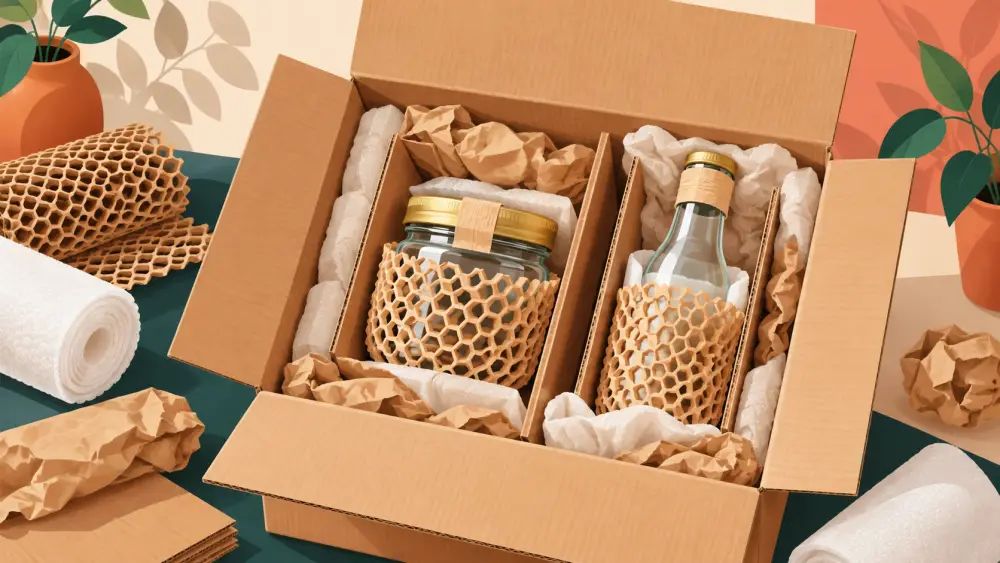
Read more →Seal the lid, wrap each glass piece on its own, keep jars from touching each other and leave cushioning on all sides, which gives a parcel a better chance of arriving intact.
Read more →How to layer mixed items, put heavy things at the base, choose fillers and test a hamper before it ships, so one broken jar does not spoil the rest.
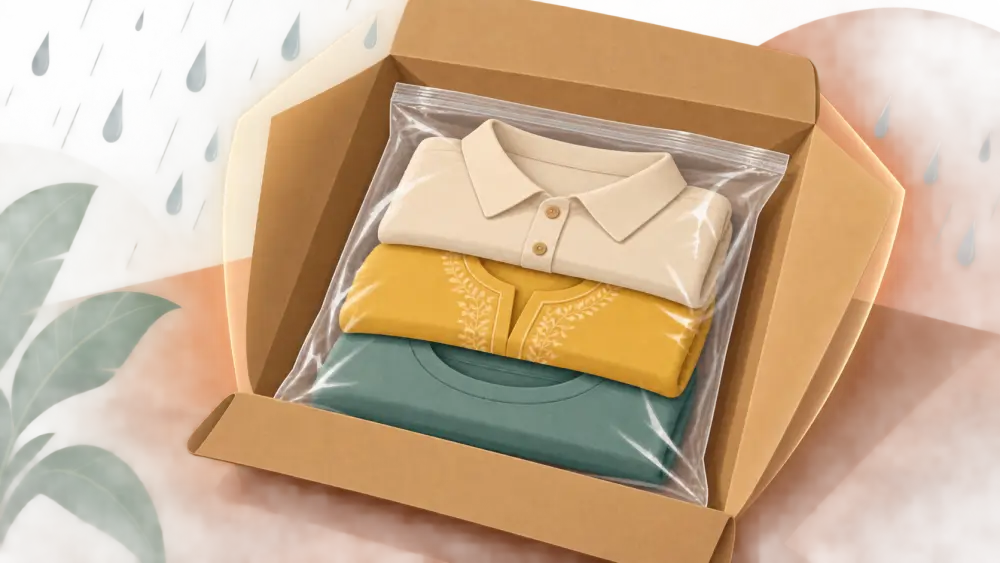
Read more →A simple folding, bagging and sealing routine that helps shirts, kurtis and tees reach your customer clean and dry, without pretending packaging can beat every monsoon journey.
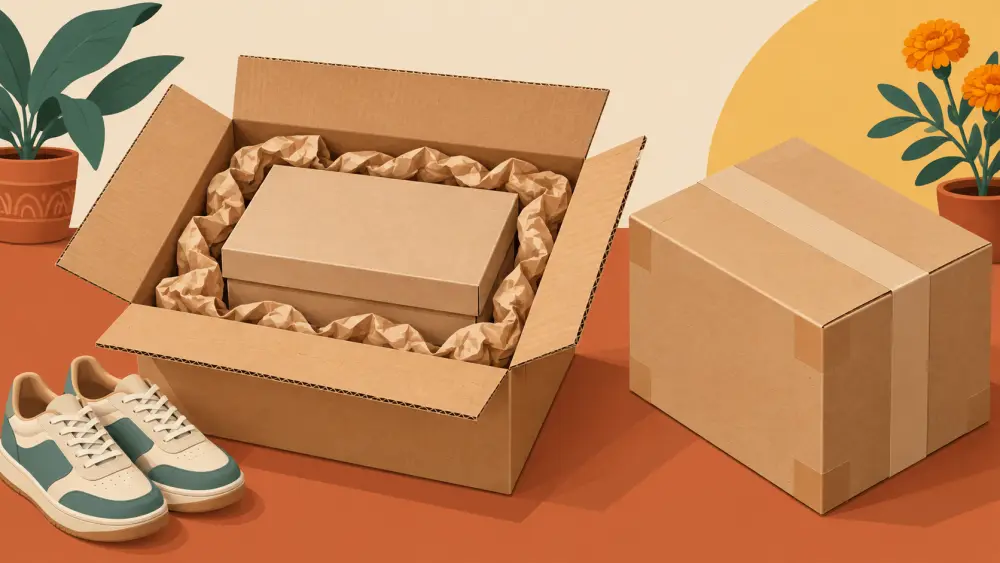
Read more →Why shoe boxes should never ship alone, how to stuff and protect the shoes, and a simple way to seal the outer carton so the pair arrives looking new.
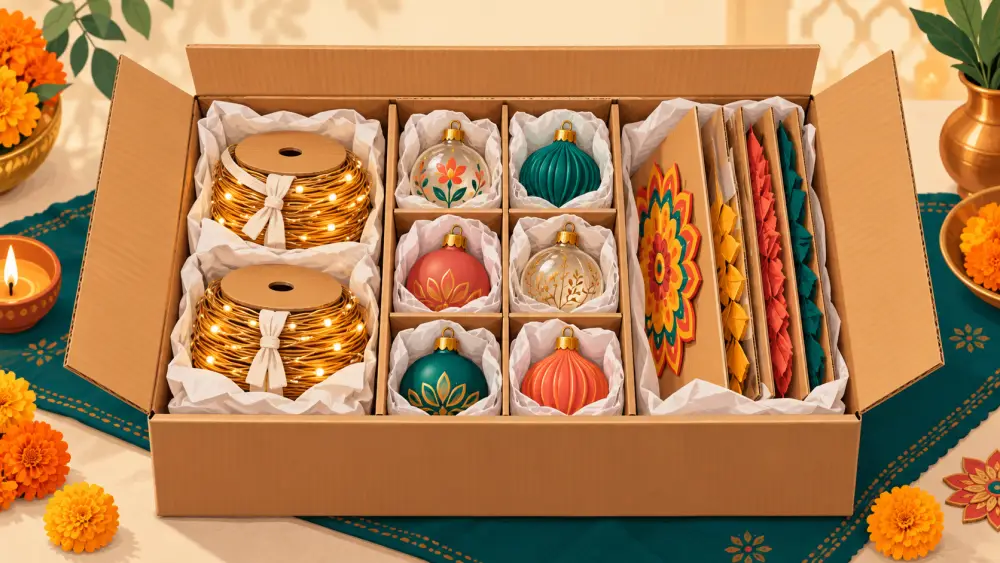
Read more →Fairy lights tangle, glass ornaments crack and paper hangings crush. Match the packing to each type of decor and keep every piece untangled and protected.
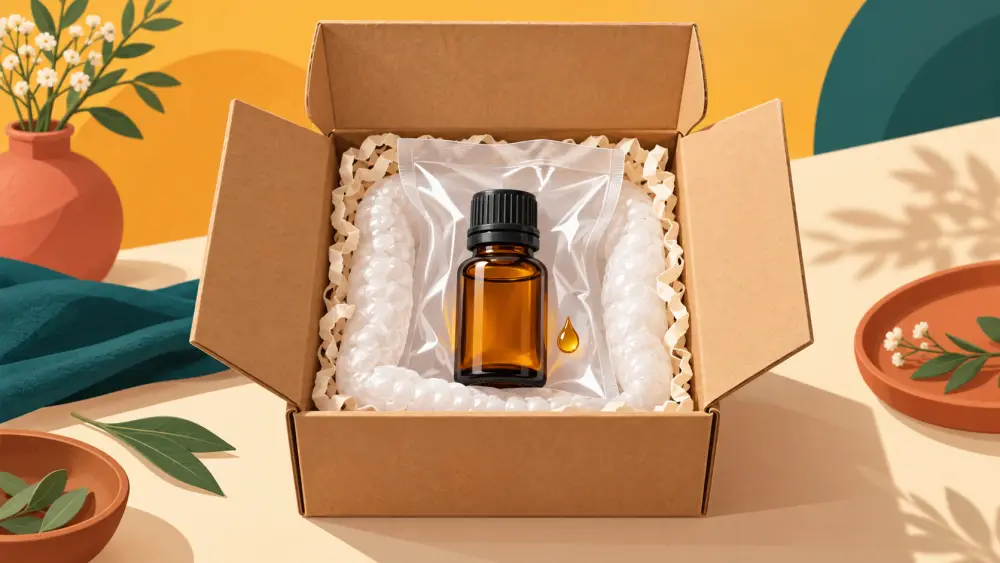
Read more →Small glass bottles can leak or crack in transit. A tight cap, a sealed bag and snug cushioning keep the oil inside and the parcel clean.
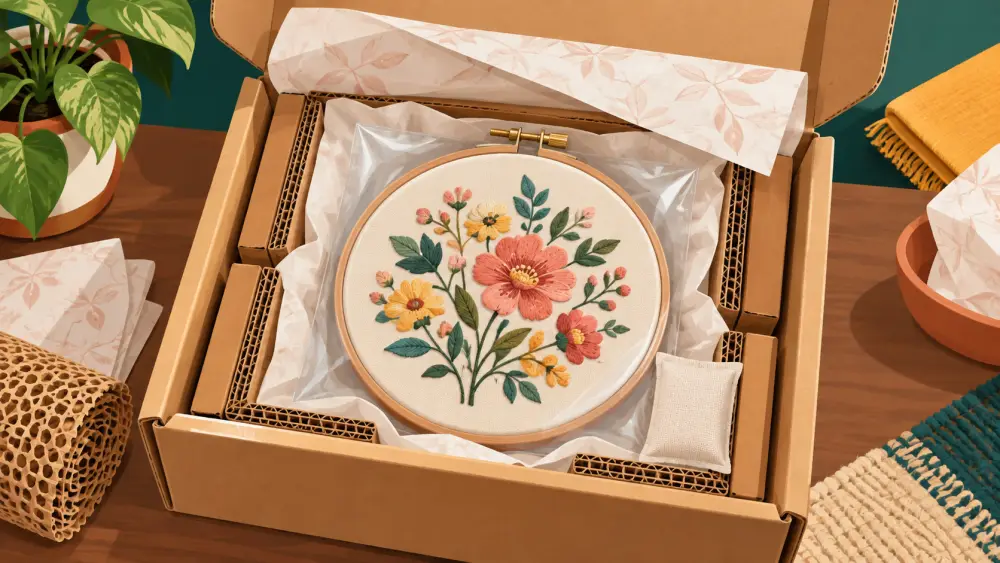
Read more →Embroidery should arrive flat, clean and crease-free. These steps cover padding, moisture and keeping hoops from getting crushed.
Read more →