7 October 2026
How do I decide how much festive stock to make or buy?
Start from your own past orders, test demand with pre-orders and keep the first batch cautious; here is a method with illustrative numbers you can replace with yours.
Read more →Practical guides, independent brands, and the details that make a store yours.
Start from your own past orders, test demand with pre-orders and keep the first batch cautious; here is a method with illustrative numbers you can replace with yours.
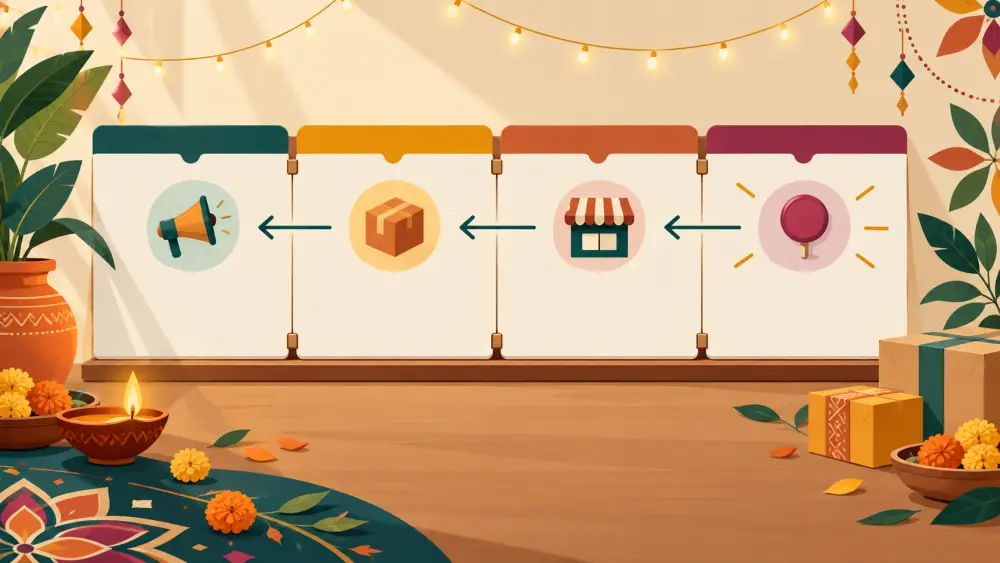
Read more →Many festivals move from year to year, so fix one date you confirm yourself and plan backwards in weekly stages; here is a method that does not depend on remembering anything.
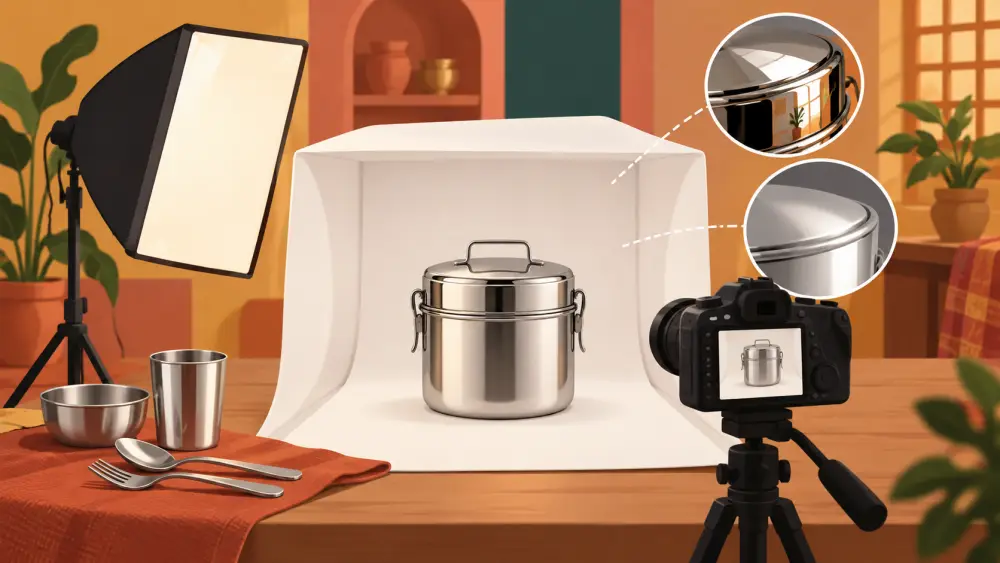
Read more →Steel mirrors its surroundings. A paper tent, soft light and a careful angle give you a clean photo of vessels, tiffins and cutlery.
Read more →Tiny products need sharp focus, neat arrangements and a clear sense of size. Here is how to shoot stickers, pins and badges on a phone.
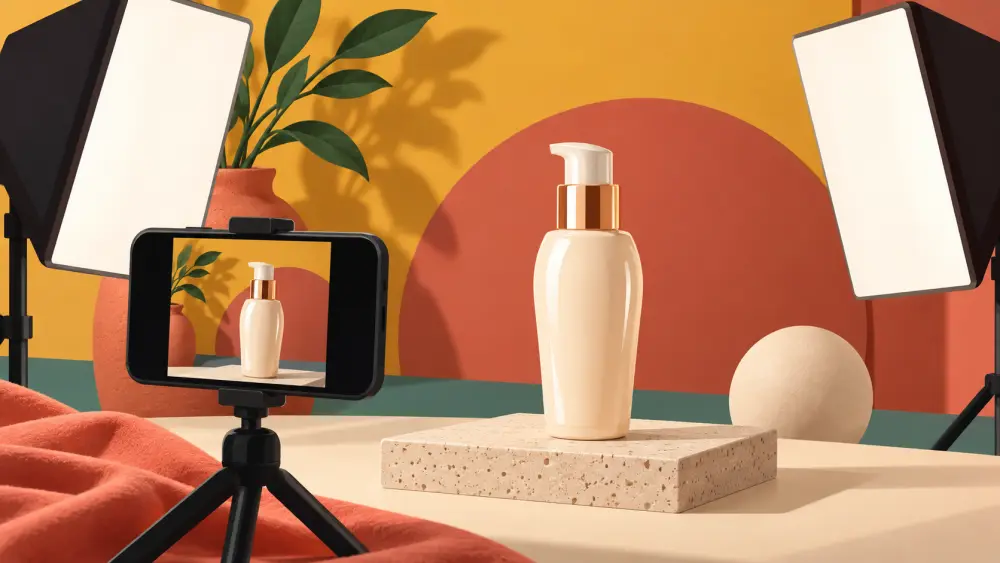
Read more →Bottles are shiny, curved and covered in small print. Here is how to control reflections, keep labels readable and set up a clean shot with a phone.
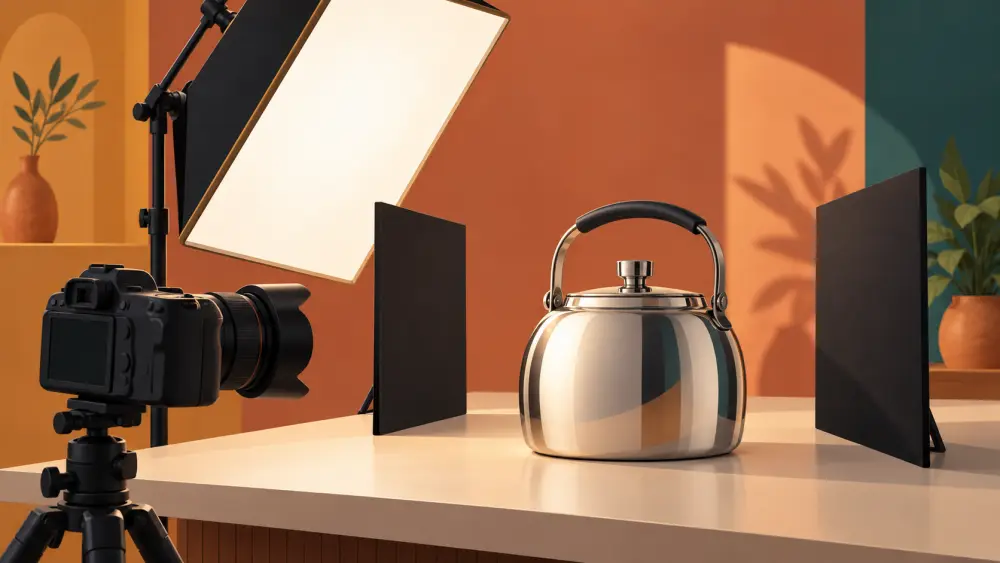
Read more →Shiny surfaces mirror whatever is in front of them. Control the angle, use one large soft light, and block what you do not want reflected.
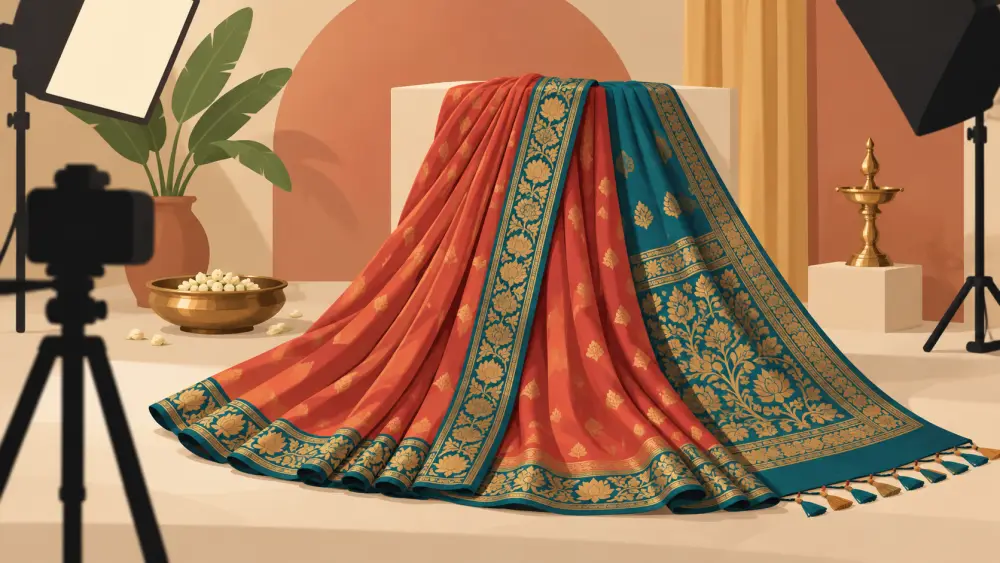
Read more →A saree is six metres of fabric, and buyers want to see the body, pallu, border and fall. A shot list and folding method.
Read more →Blurry photos usually come from tiny hand movements, not a bad phone. Stable surfaces, the timer and a firm grip fix most of it.
Read more →Glossy and foil packs throw back every light and window, so use soft angled light, a simple diffuser and small angle changes to keep the label readable.
Read more →A step by step setup using daylight, a plain surface and a steady hand. No studio, no lights, no purchase needed.
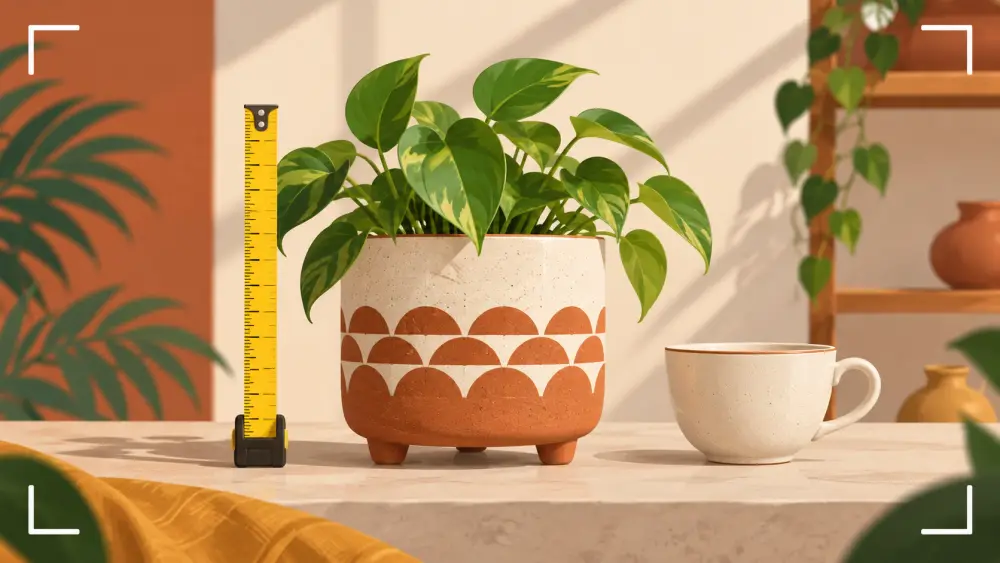
Read more →A photo alone cannot tell a buyer how big something is. Pair a familiar object in the frame with stated measurements so the size is clear.
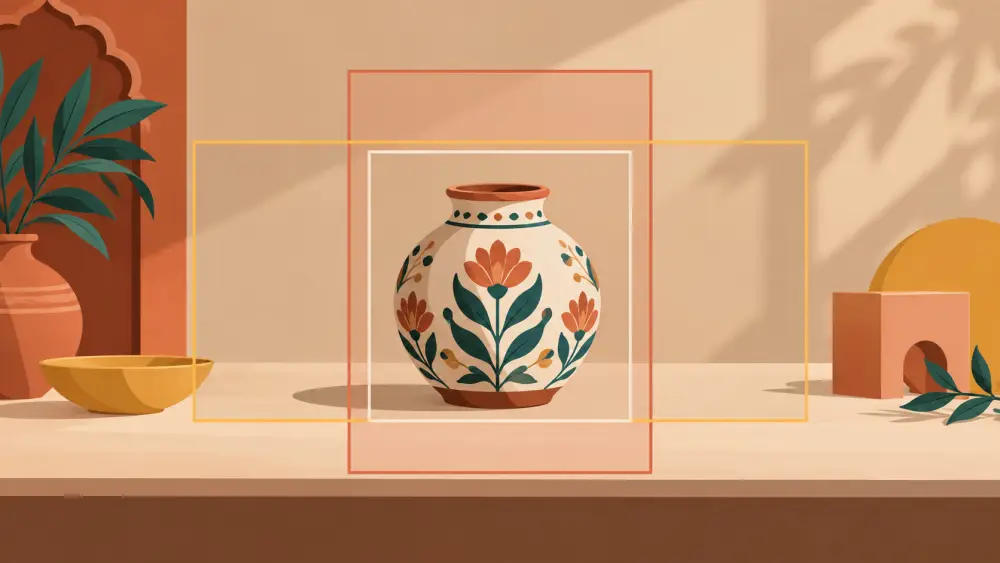
Read more →Leave crop margins and shoot a little wider so the same photos work in a square or tall social post and on your product page.
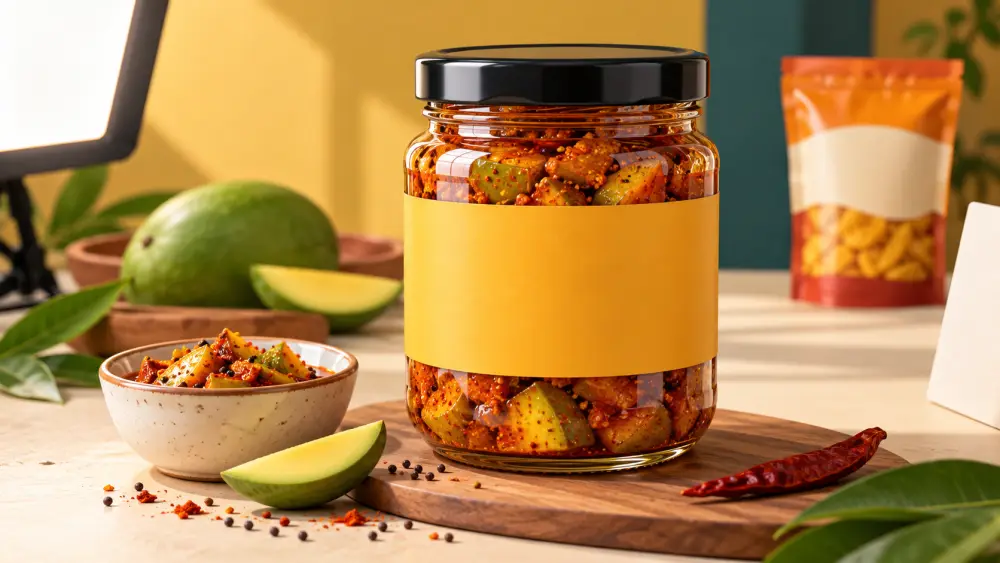
Read more →Packaged food sells on the label and the look of the container. Here is how to angle, light and clean jars and pouches so they photograph clearly.
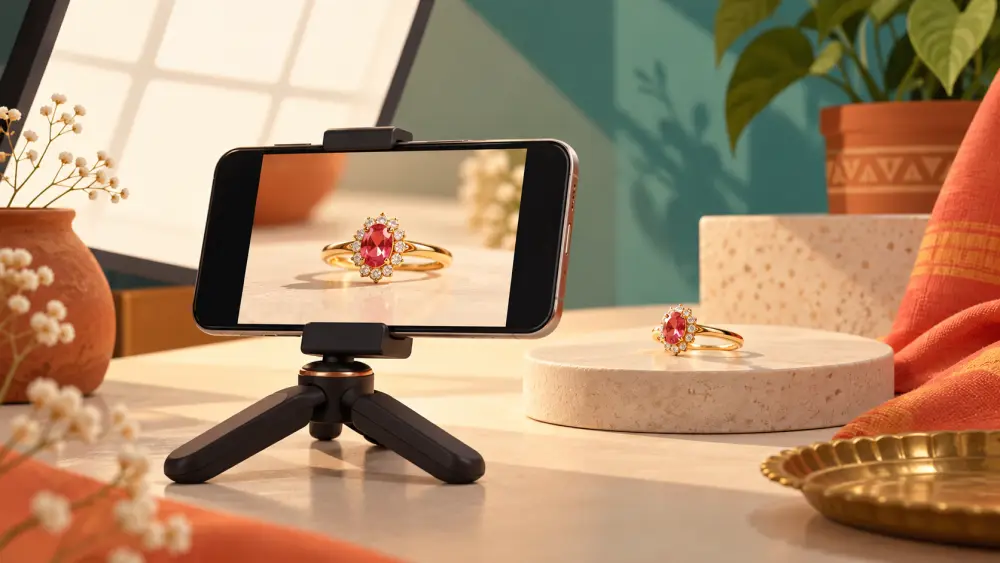
Read more →Small, shiny and detailed, jewellery needs close focus, steady hands and soft light. Practical steps for a clean result.
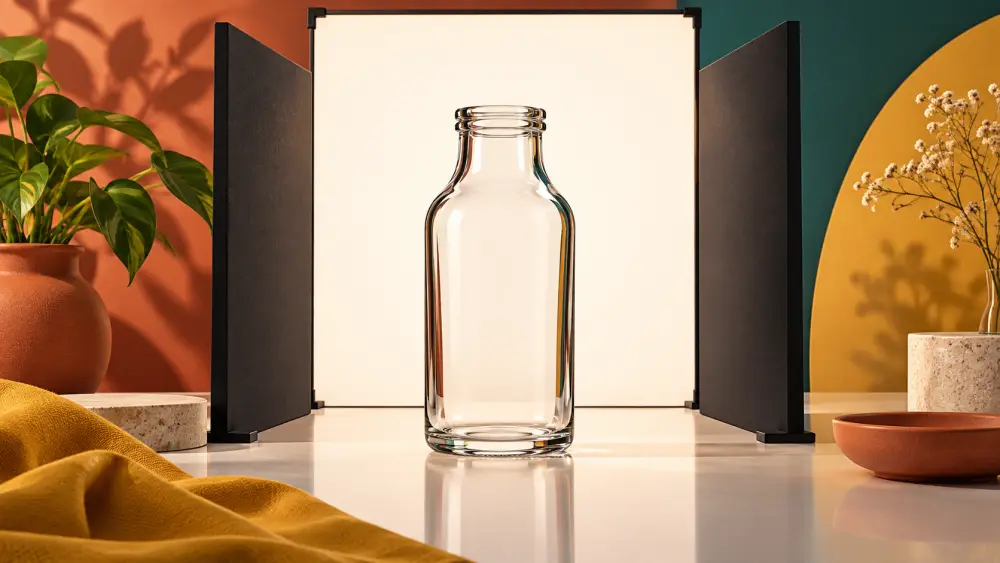
Read more →Glass is clear, so it picks up everything behind and around it. Backlight, dark edges and spotless glass make the shape readable.
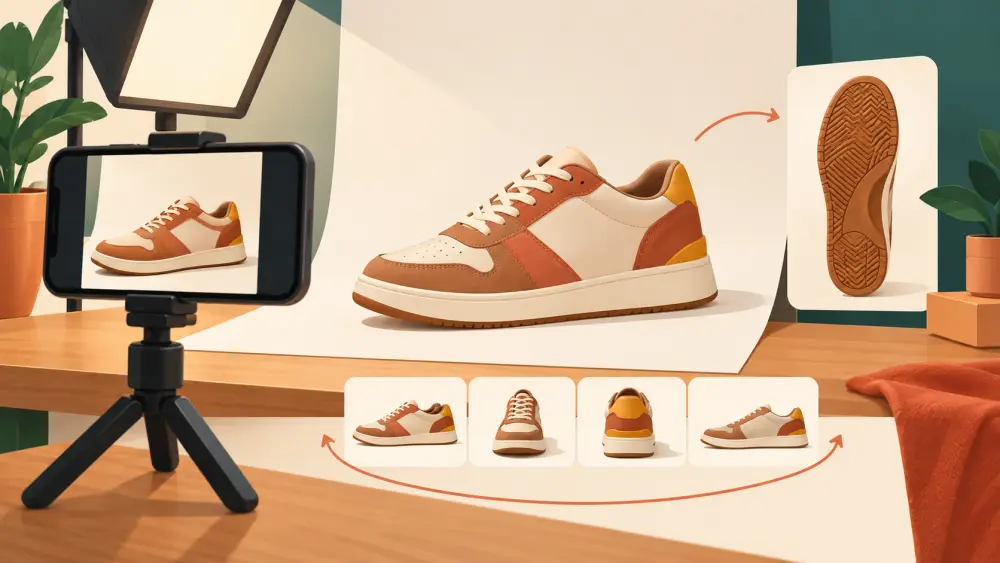
Read more →Shoes need a set of standard angles, a clean background and a look at the sole. Here is a repeatable way to shoot footwear with a phone.
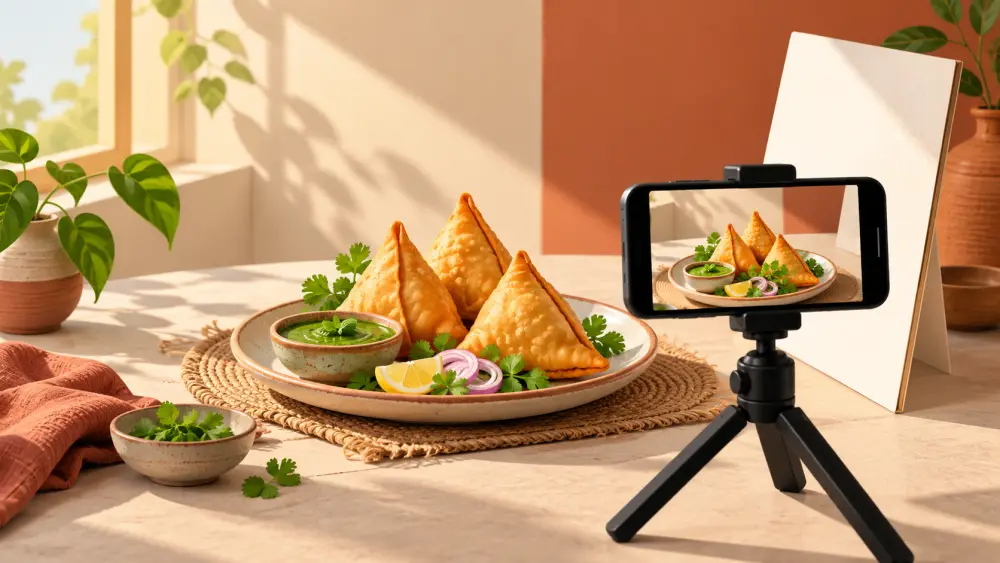
Read more →Food photographs well when the light is soft, the props are simple and you work fast. Here is a practical routine for home food sellers shooting on a phone.
Read more →Small jewellery is hard to photograph because everything is tiny, shiny and hard to hold still. Here is how to use simple props and focus technique to get sharp close-ups with a phone.
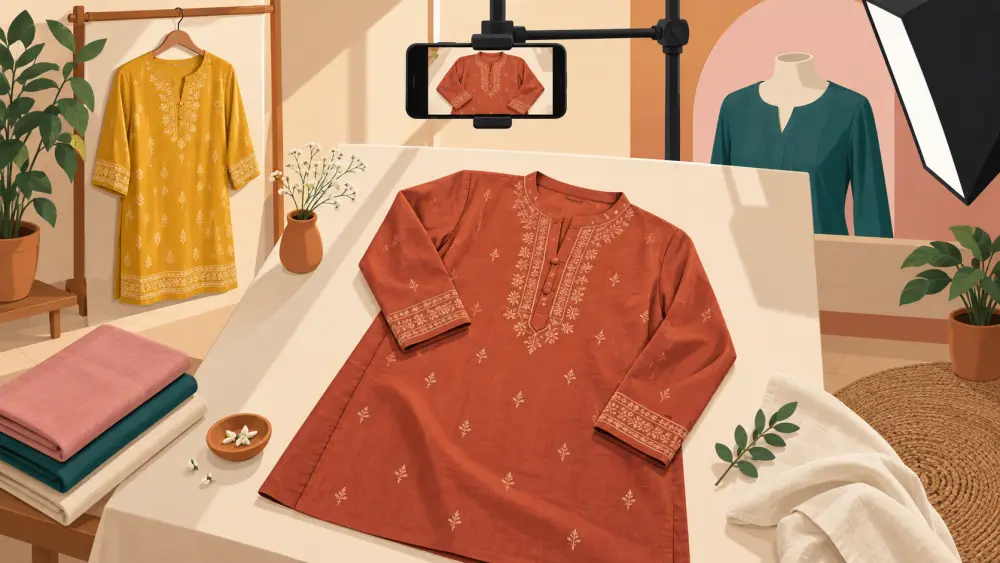
Read more →Flat lays, hangers and ghost-style set-ups let you show garments clearly with nothing but a wall, a table and a phone.
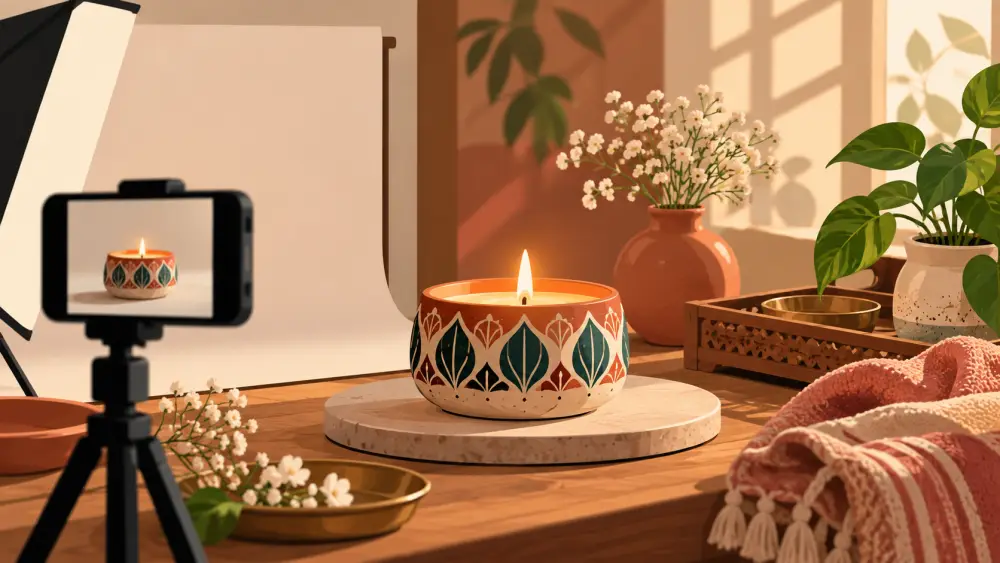
Read more →Decor is bought by people imagining it in their own space. Plain shots show the item and context shots show the mood, and you need both.
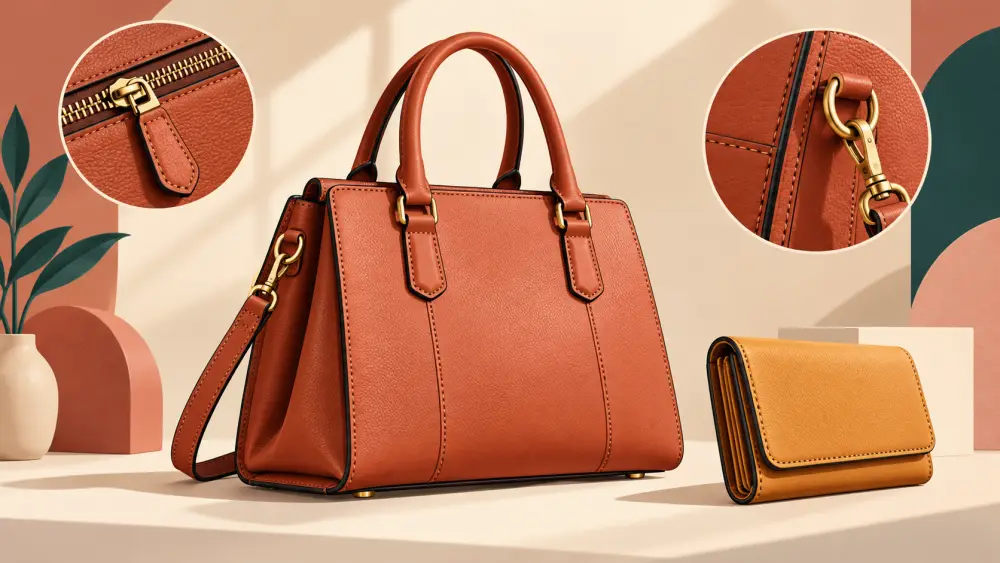
Read more →Empty bags slump and wallets look flat. A little stuffing, a few standard angles and close shots of the hardware make the product easy to judge.
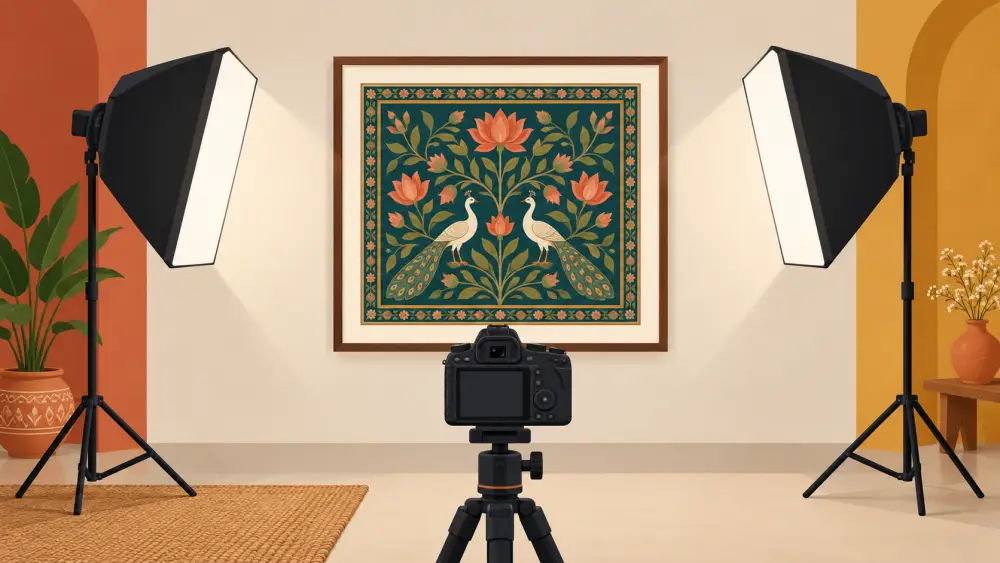
Read more →Flat artwork needs even light and a square-on camera. Here is how to avoid glare, shadows and slanted edges when you photograph prints and paintings.
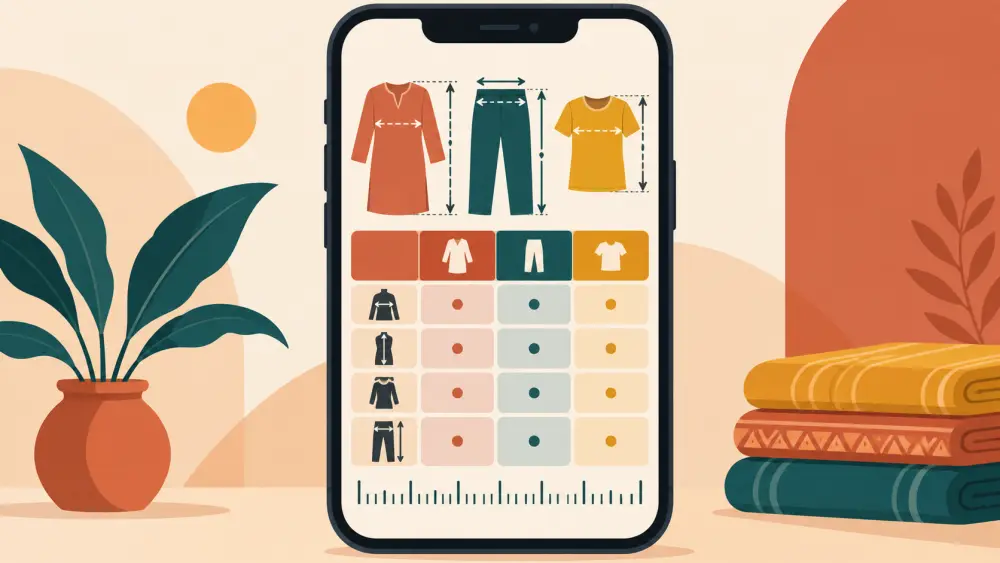
Read more →Large text, visible units and a consistent layout turn a size chart image from a squint-and-guess puzzle into something buyers can read at a glance on a phone.
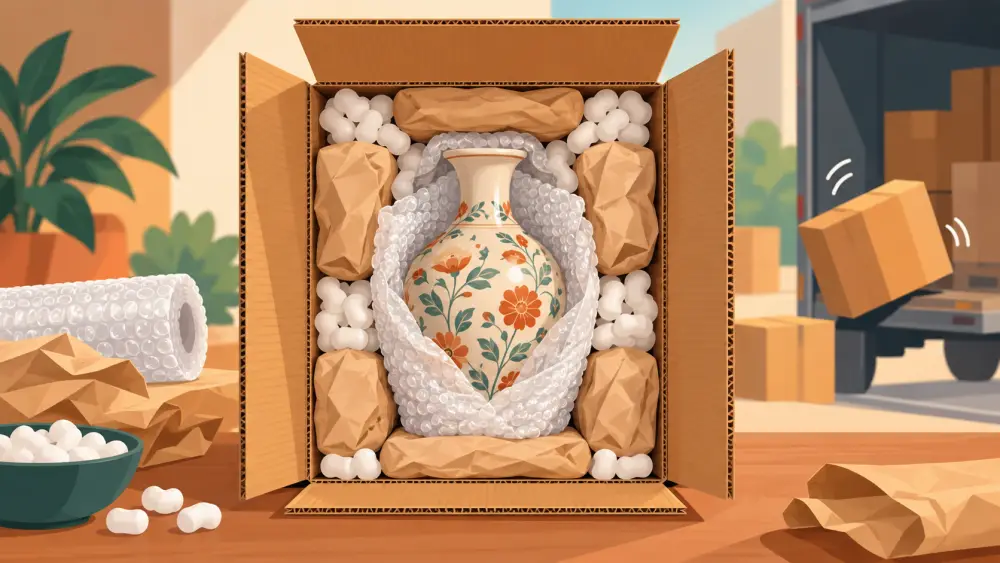
Read more →Wrap each item, cushion it on every side, use a rigid outer box and leave no empty space inside, then label the parcel clearly, which lowers the risk of damage in transit.
Read more →