7 October 2026
Why you should keep damaged and returned stock separate
Mixing returned and damaged pieces with sellable stock is how wrong items reach customers, so use labelled bins and a simple log to keep them apart.
Read more →Practical guides, independent brands, and the details that make a store yours.
Mixing returned and damaged pieces with sellable stock is how wrong items reach customers, so use labelled bins and a simple log to keep them apart.
Read more →Each image format has a job. Learn what JPEG, PNG and WebP are generally good at, so you can save your product photos in the right one.
Read more →Inventory turnover shows how many times a year your stock sells through, and the number of days of stock it implies is easier to feel.
Read more →Insurance adds cost to every shipment, so it should earn its place. This guide shows how to weigh item value against cover, in general terms, before you decide on any particular product.
Read more →Instagram is a place where people find you and a website is a place where orders are taken and recorded, and the two work best when each does its own job.
Read more →Framing demos, room mockups, process clips and artist notes give print buyers context and scale, and none of it requires claiming editions or archival quality you cannot prove.
Read more →Tea and coffee sell through taste you cannot photograph, so teach people how to brew and what to notice. Here are four content ideas that stay honest.
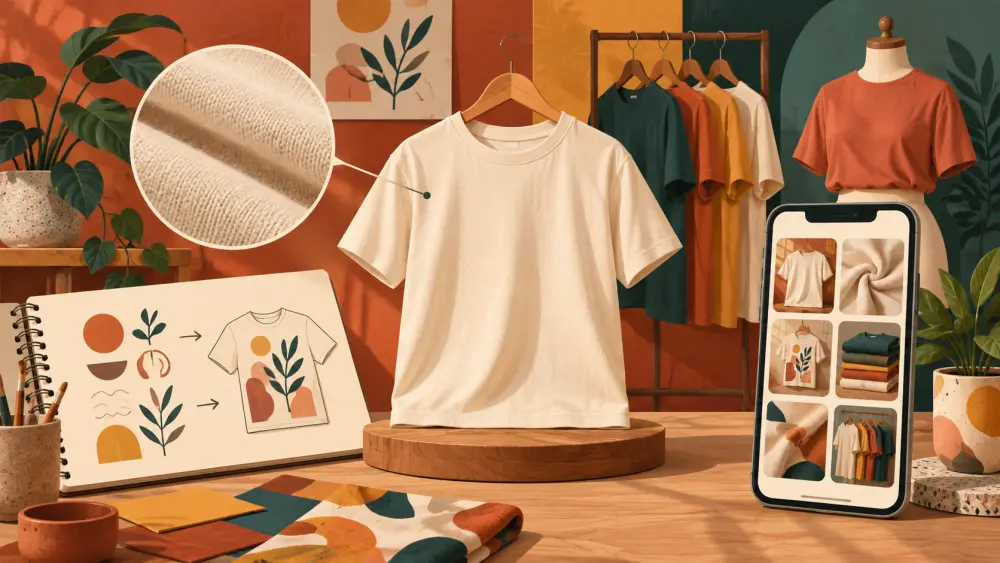
Read more →A t-shirt is a small canvas for an idea. Design stories, print close-ups, fit shots and sketch-to-shirt reels show the thinking behind each piece.
Read more →Stationery looks good on camera and is easy to demonstrate. Here is a simple weekly mix of journal clips, desk setups, pen tests and packing reels.
Read more →Educational, routine-style and behind-the-scenes posts let a small skincare brand build trust without promising results on skin or implying a product is right for everyone.
Read more →With only a few pieces, focus on drape videos, fabric close-ups, blouse pairing and care notes that you can film on a phone, and describe each saree only as truthfully as you can verify.
Read more →Care-tip carousels, repotting clips, arrival unboxings and seasonal picks keep a plant feed useful, and you can share them without promising that any plant will survive shipping.
Read more →Food sells on trust and appetite. Recipe pairings, family-recipe stories, batch-making clips and packing reels do both without any unverified food claims.
Read more →A phone case in a box looks like every other one. Compatibility explainers, unboxings, careful drop-style clips and setup ideas give you posts people actually save.
Read more →Pet owners love seeing animals, but they are also cautious buyers. Four post ideas that build trust without making any veterinary or safety promises.
Read more →You can show kidswear well without showing children's faces carelessly. Flat lays, size guides and consented parent photos make a strong, safe feed.
Read more →Styling clips, care tips, packing reveals and hand-size comparisons give a jewellery feed variety, and none of them need claims about reach or metals you cannot prove.
Read more →Kitchen process, ingredient sourcing, serving ideas and batch announcements give a home food feed plenty to share, as long as every claim reflects your own checks.
Read more →Decor is bought by imagining it at home. Styled corners, before-after rooms, size-in-context photos and small styling tips help buyers picture your pieces.
Read more →Hair claims are the easiest place to overpromise. Routine, ingredient and process posts let you teach and sell honestly without any growth or cure language.
Read more →A gift hamper is a story of choices, so show the choosing. Here are four post types built around building a hamper, theme boards, unboxings and occasions.
Read more →Shoes are returned mostly for fit, so your posts should work on fit. Sole close-ups, size guidance, walk tests and care tips all help, without comfort guarantees.
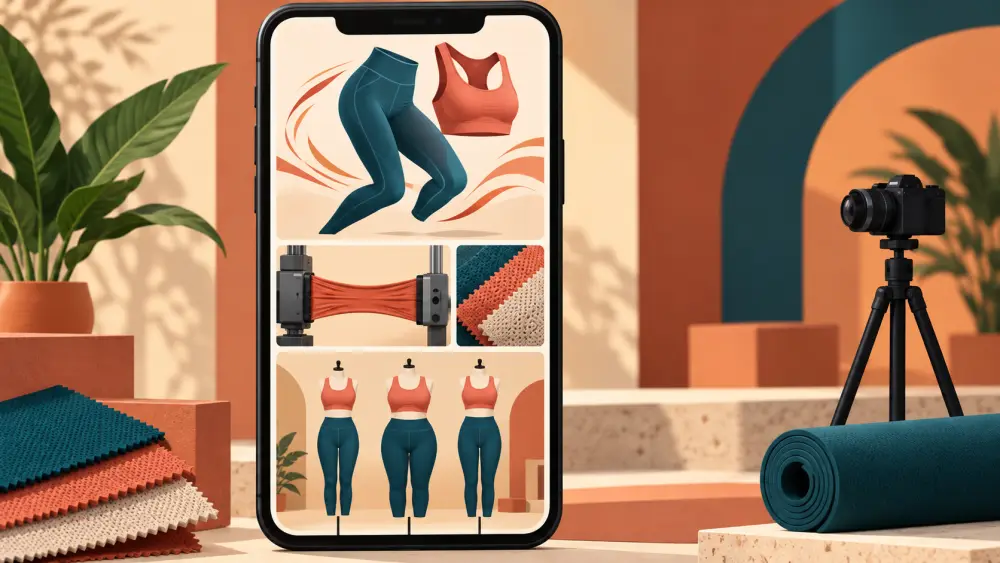
Read more →Fitness wear has to be shown in motion. Workout clips, stretch tests and fit-by-body-type posts help buyers judge your gear without any performance promises.
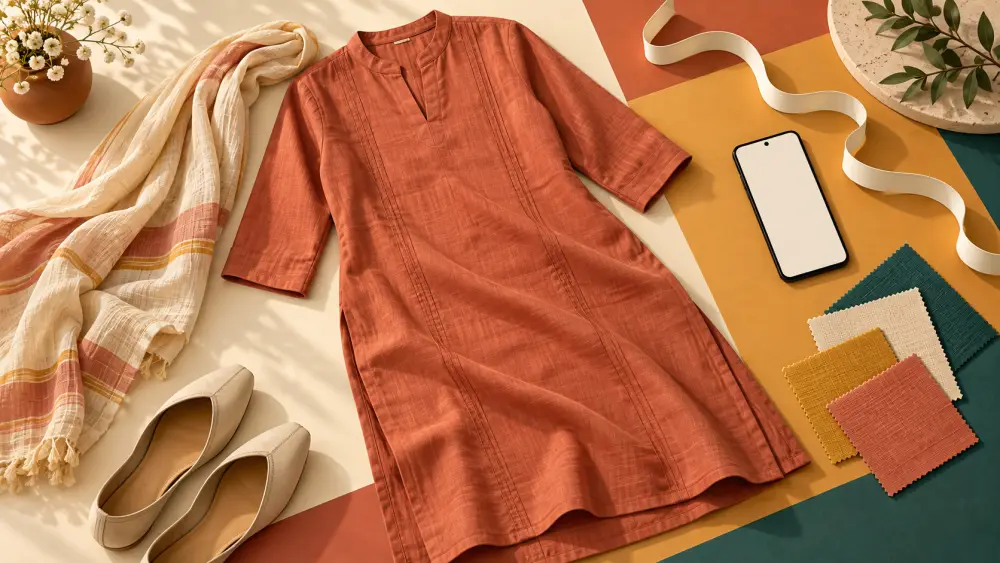
Read more →Fit checks, size chart walk-throughs, try-ons and fabric close-ups answer the questions buyers actually have, which makes a small label's feed useful and not just pretty.
Read more →