
What Instagram posts can a tiny skincare brand make without overclaiming?
Educational, routine-style and behind-the-scenes posts let a small skincare brand build trust without promising results on skin or implying a product is right for everyone.
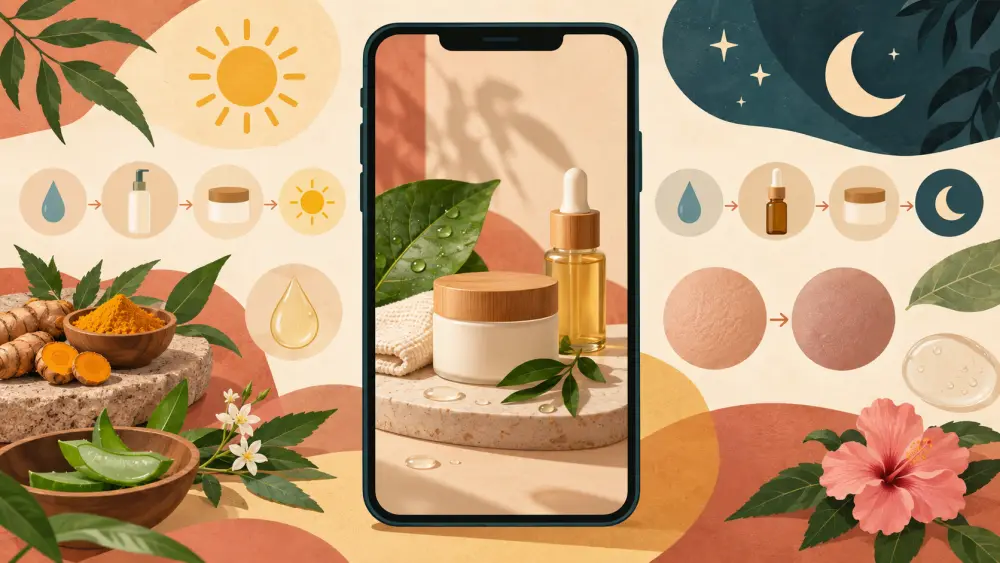
Skincare is a sensitive category. People are worried about their skin, and that worry makes bold promises tempting. But bold promises can also mislead, and skin differs from person to person. A tiny brand can build real trust by being useful, honest and specific. Here is a set of post ideas that avoid overclaiming.
Ingredient explainers, kept honest
Pick one ingredient in your product and explain, in plain language, what it is and why you included it. Say what you know and keep to general descriptions. Avoid saying it treats, cures or fixes anything. If you are unsure about a statement, leave it out or check with a qualified source. Never say an ingredient is safe for everyone, because reactions vary.
Routine-style posts
Show how your product fits into a simple routine, such as cleanse, moisturise and protect, without claiming a result. A morning routine reel with your product in a normal sequence feels natural. Explain the order and how much to use, according to your product label. Say clearly when to use it, such as day or night, if you know.
Patch-test reminders
Remind people to patch-test any new product, and explain how, in general terms. This is helpful, shows care and sets sensible expectations. It does not mean your product is safe or unsafe for any person. If someone has a skin condition or concern, suggest they consult a doctor or dermatologist.
Behind the scenes
Show how products are made or packed, within what you can truthfully share. A clean workspace, labelled jars, hands filling bottles. If a manufacturer makes them, say so honestly. Skip any claims about clinical testing or certifications unless you hold documents that prove them. Also check current rules for cosmetics with the relevant official source or an expert.
Texture and packaging posts
Show a swatch on the back of a hand, the pump, the cap and how it feels. People like to see texture and quantity before buying. Add the size or weight in the caption. For photography, see how to photograph skincare and cosmetic bottles.
Myth-free education
Teach people general skincare habits, such as washing your face gently, using sunscreen if you go out in sunlight and not over-exfoliating. Keep this general and avoid medical advice. If you are not an expert, say your information is general and cite what you learned in a sentence. If you are unsure, skip it.
Customer questions
Answer questions from followers, such as "how do I store this?" or "can I use it at night?", using your product label and your own knowledge. If someone asks about a condition, point them to a doctor rather than diagnosing.
Words to avoid
- Cure, heal, treat, fix, remove, guaranteed or clinically proven, unless you can prove it.
- Safe for all skin types, chemical-free, toxin-free, or natural, unless the claim is accurate and you can explain what it means.
- Before-and-after claims that suggest your product caused the change.
Avoiding exaggerated claims in product descriptions lays out the thinking in more detail.
Tie it back to your store
Put your store link in your bio and keep product pages consistent with what you say on Instagram, including ingredients and usage. Read how to start selling skincare online in India for the wider picture.
A small brand does not win by shouting. It wins by being the account people trust to tell the truth.