7 October 2026
What should a candle seller post on Instagram besides product photos?
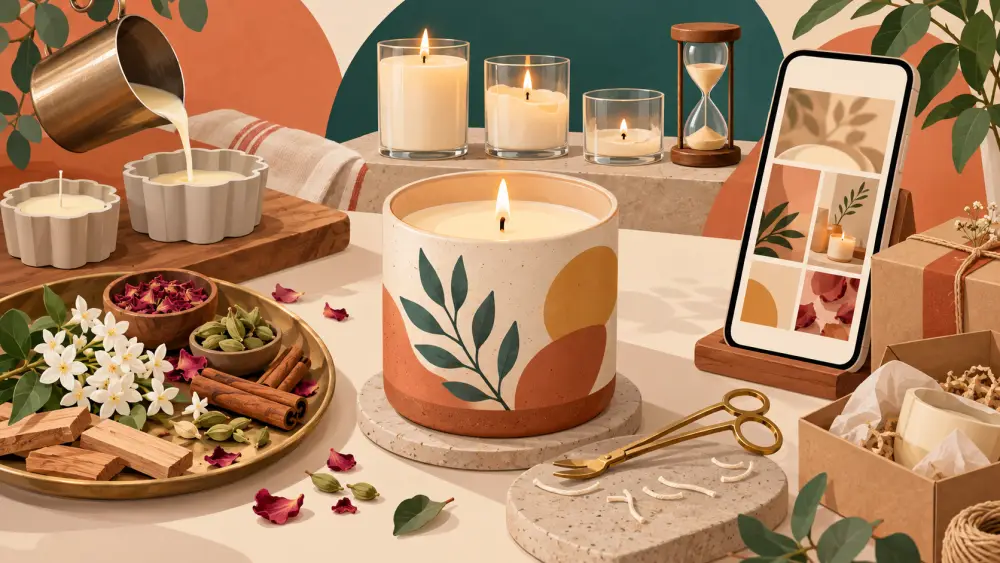
A week of candle post ideas covering pouring, scent stories, burn-time tests and care tips, so your feed shows the craft and not just a row of jars.
Read more →Practical guides, independent brands, and the details that make a store yours.
A week of candle post ideas covering pouring, scent stories, burn-time tests and care tips, so your feed shows the craft and not just a row of jars.
Read more →Bags and accessories raise questions about size, space and material. Four content types answer them honestly, from whats-in-my-bag to carry tests.
Read more →Turn a sold-out post into a waitlist or a next-batch prompt with captions that stay honest about what you do and do not know.
Read more →Restock caption templates that tell returning buyers what is back, what changed and where to order, without inventing scarcity.
Read more →Three fill-in-the-blank captions for announcing new stock, built so you can post in two minutes without sounding like a notice board.
Read more →Before a returned item goes back on your shelf, a calm checklist and an opening video protect you and the next customer. Here is a step-by-step inspection routine for small sellers.
Read more →Fragrance is subjective and sticks are fragile, so most disputes start with mismatched expectations. Set them clearly in the listing.
Read more →Packing yourself gives control and quality checks while outsourcing frees time and makes costs more predictable, and the right moment depends on your order flow.
Read more →Keep broadcasts short, useful and personal, with one clear point and one link, so people keep reading rather than muting you.
Read more →Match the language of your buyers, keep the key facts unmistakable and test your wording on real customers rather than assuming one language sells better.
Read more →Explain how a piece is made, what natural variation to expect and how long it takes, so "handmade" means something to the buyer.
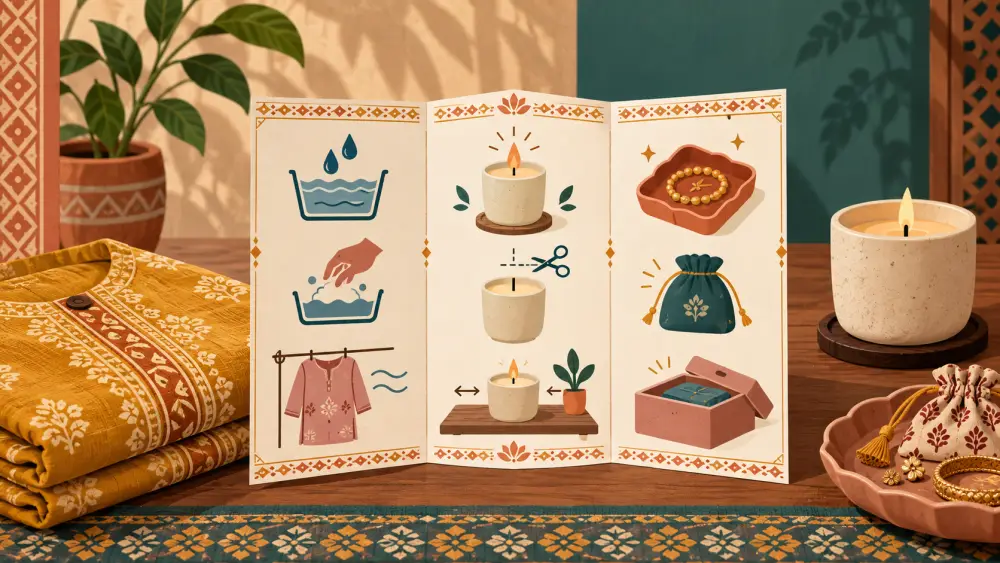
Read more →Clear wording for washing, storing and handling guidance across clothing, candles and accessories, based only on what you have tested yourself.
Read more →Alt text describes a photo in plain words for people who cannot see it, and a few short habits will help you write clear, useful descriptions for every product image.
Read more →Measure the product and the packed parcel, record both, and use them for buyers and for shipping.
Read more →A simple structure for product titles that tell a shopper what the item is, what it is made of and what makes it different, without promising any search ranking.
Read more →A three-section newsletter of news, a story and one product is enough for a small brand; here is the format and a worked example you can copy.
Read more →The parts of a good Indian delivery address, from house number to pincode and phone, shown with an example you can share with customers.
Read more →A two-minute check over chat or a call for unclear addresses, what to confirm and how to word it politely, without promising it stops every failed delivery.
Read more →Soft side light from a window is the cheapest studio you can have. How to place the product, tame the sun and read the light.
Read more →Four easy story ideas, a poll, behind the scenes, an order count and an FAQ, that a one-person shop can post in minutes.
Read more →A practical way to pick specific, relevant hashtags for your products and your city, and which kinds to leave out.
Read more →Share real customer words as screenshot stories or carousel slides, get permission first, hide private details, and never change what the customer meant.
Read more →A piece of white card bounces light into the shadow side of your product. How to use it, and when foil is the better choice.
Read more →Counting each size and colour separately keeps you from selling what you do not have. A practical way to think about it.
Read more →