7 October 2026
How should you prepare your returns policy for Onam orders?
Before a gifting rush, reread your return and exchange terms, fix anything vague and tell customers the rules before they pay, not after a problem.
Read more →Practical guides, independent brands, and the details that make a store yours.
Before a gifting rush, reread your return and exchange terms, fix anything vague and tell customers the rules before they pay, not after a problem.
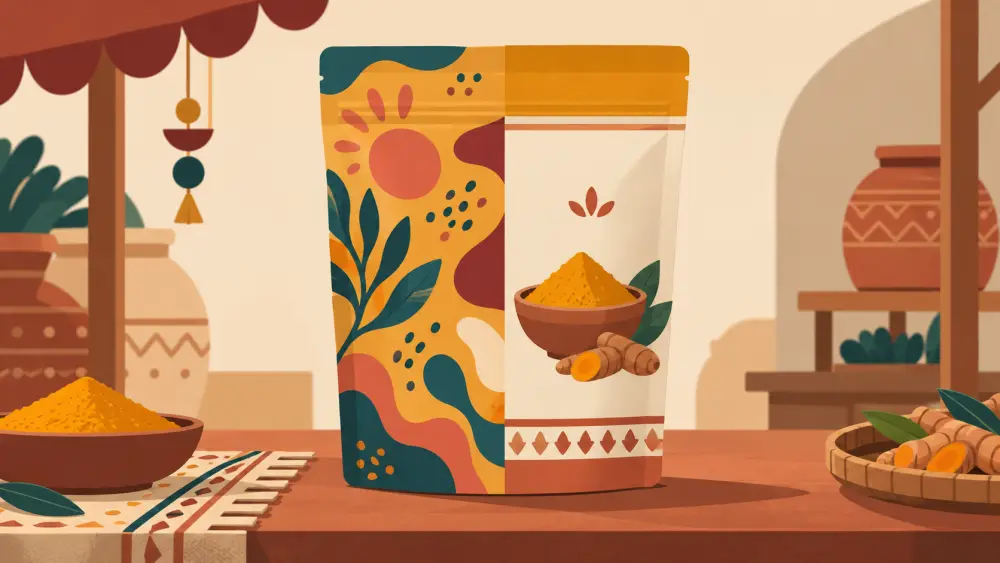
Read more →Choose packaging that survives a courier and bundles that keep margin, by testing one sample parcel and costing every part of the set before you announce it.
Read more →A narrow range makes your content, trust and repeat buying easier to build, while a broad range offers more reasons to buy but dilutes your story.
Read more →Brand-style names give a product personality, descriptive names make it understandable. Here is how to use both without confusing your customer.
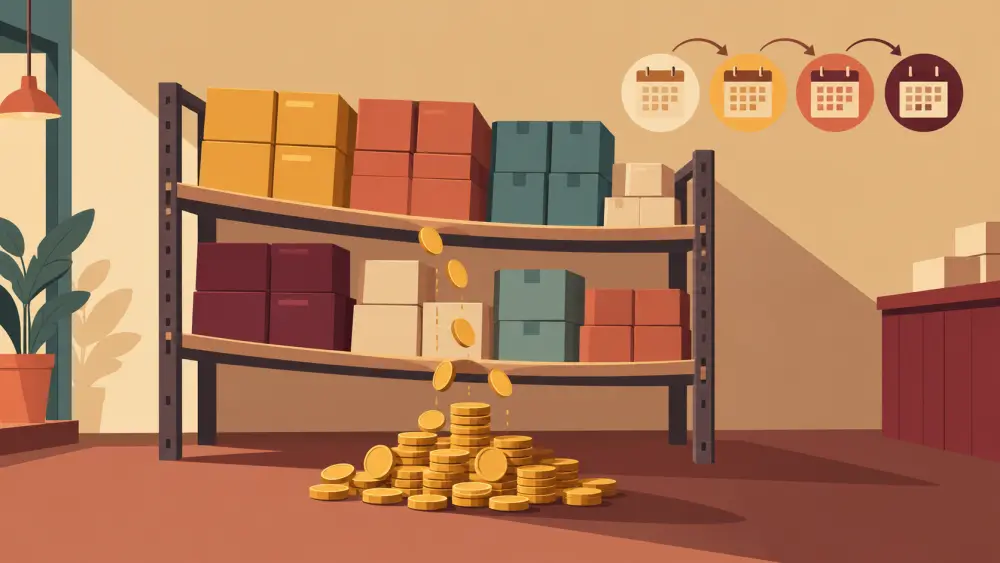
Read more →Stock that does not sell is not free to keep, so put a monthly percentage on it and watch the rupees add up.
Read more →A drop calendar and an always-open catalogue ask different things of your time, stock and customers, so compare the rhythm before you commit.
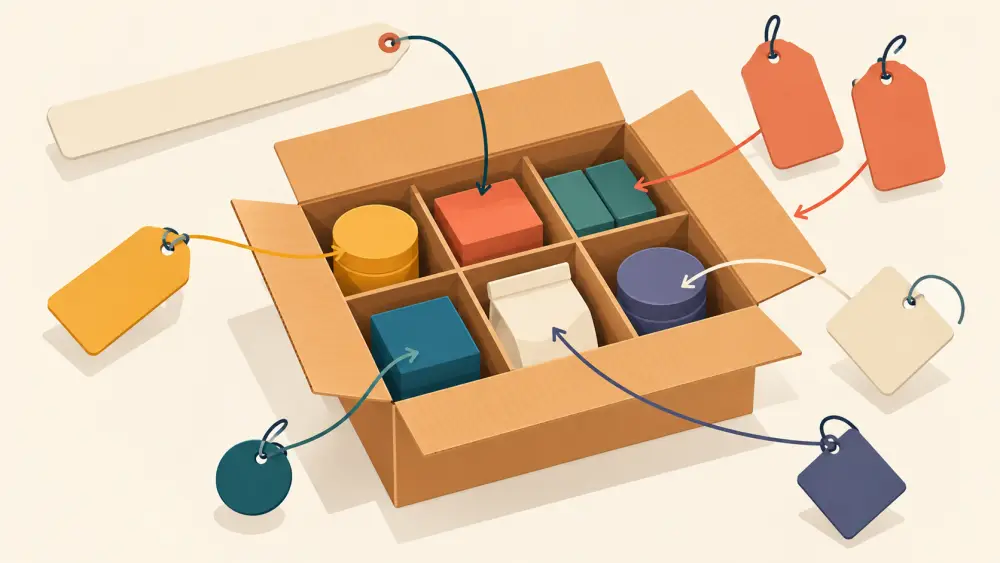
Read more →Codes that are too long, reused, inconsistent or full of look-alike characters create packing errors. Here is what to avoid and what to do instead.
Read more →A minimum can stop orders that lose money on shipping but it can also turn away buyers, so a worked example helps you see whether a free shipping line does the job gently instead.
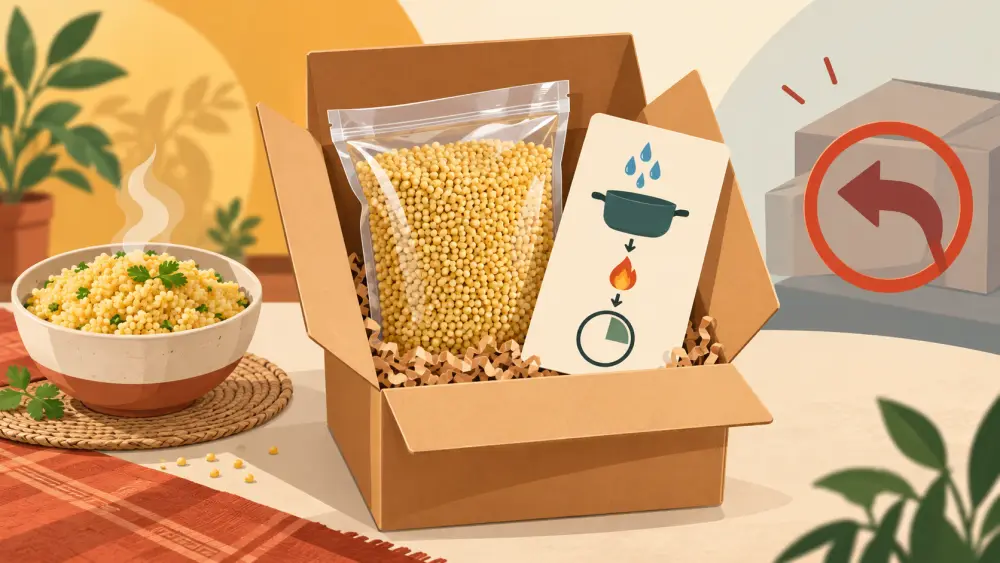
Read more →Many millet buyers are new to cooking the grain and blame the product when the dish fails. Clear cooking guidance in the listing prevents most of those disputes.
Read more →The optional Microsoft Clarity field on the Analytics and alerts tab connects your own Clarity project. Here is what you enter and where the viewing happens.
Read more →Three short, ready-to-adapt templates for the most common causes of a late order, plus a few habits that make any template sound like a person wrote it.
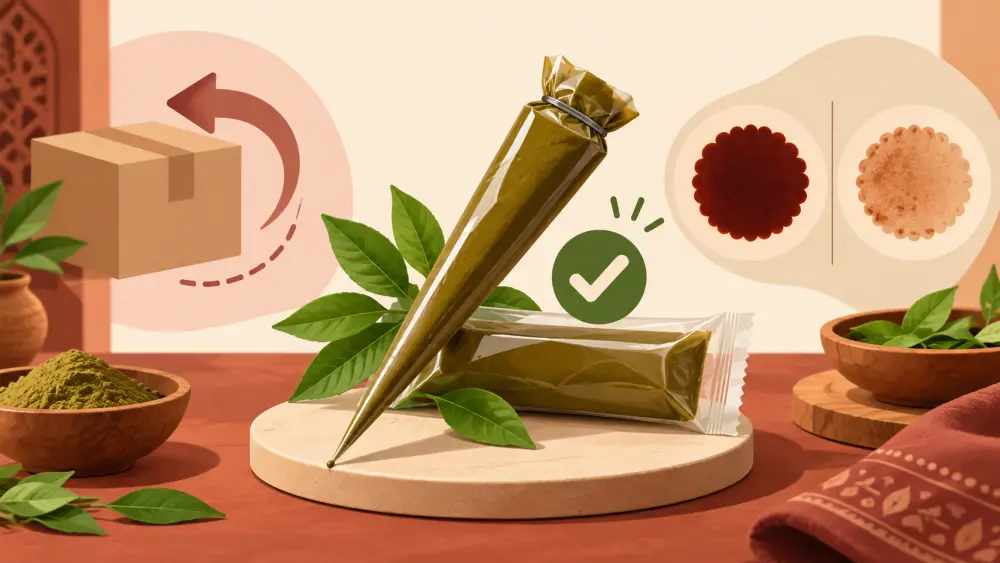
Read more →Weak stain and freshness doubts cause most mehendi complaints. Honest listings, a date on the cone and simple aftercare notes keep expectations realistic.
Read more →Work backwards from the profit you want to keep per order, and the largest safe coupon falls out as a rupee figure and a percentage.
Read more →Your maximum customer acquisition cost is capped by the contribution you earn from that customer, and a safer working limit sits well below the cap.
Read more →Start from your cost and your target margin and the largest bundle discount you can afford falls out of one short calculation.
Read more →Same Rs 50 profit, two different percentages. Learn which is which and why sellers mix them up.
Read more →Margin of safety shows how far your actual sales sit above break-even, which tells you how big a sales dip your store can survive before it starts losing money.
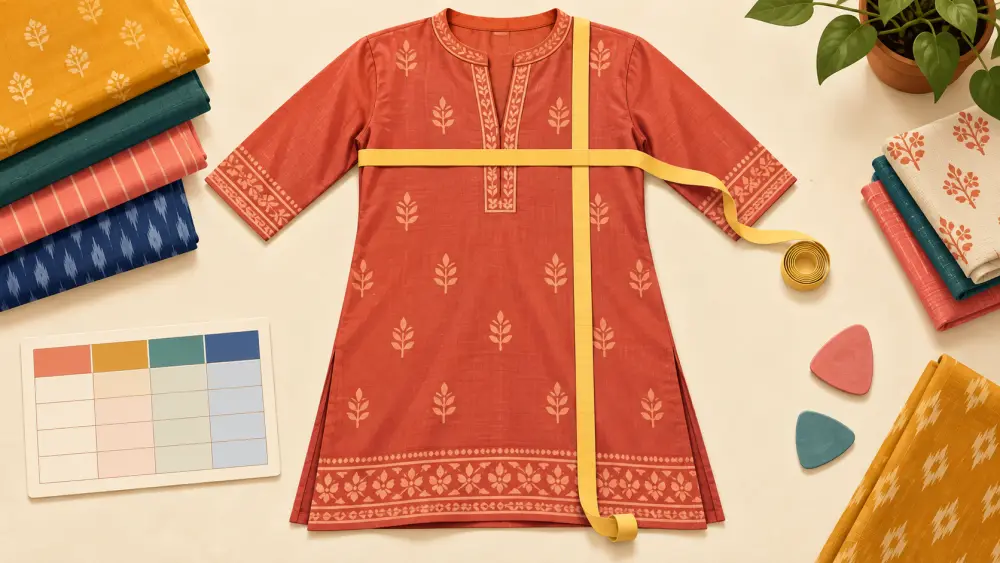
Read more →Measure your own garments laid flat, record the numbers, and label whether you show body or garment measurements, so buyers can pick the right size with confidence.
Read more →Making only after an order protects your cash and cuts waste, but customers wait longer, so here is how to weigh lead time against stock risk.
Read more →Early access, handwritten notes and a small birthday-month gesture cost very little, and this post shows how to run each one without a points system.
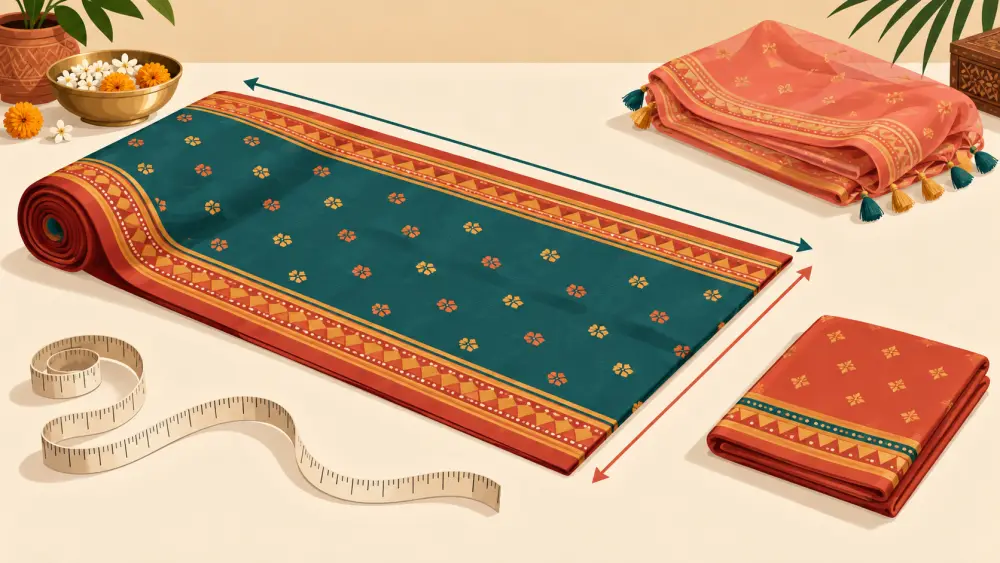
Read more →Write exact length and width, say whether the blouse piece is included and how long it is, and avoid assuming buyers know what is normal for each item.
Read more →Most leather complaints are about scuffs, smell and colour not matching the screen. You can prevent many of them by telling buyers the truth in the listing.
Read more →A launch discount can bring early orders but may anchor customers to a low price, while full price signals confidence but needs patience, so plan the exit before you start.
Read more →Landed cost adds freight and handling to the purchase price, so you price from what stock really cost you to get in hand.
Read more →