7 October 2026
A reusable product description template for small sellers
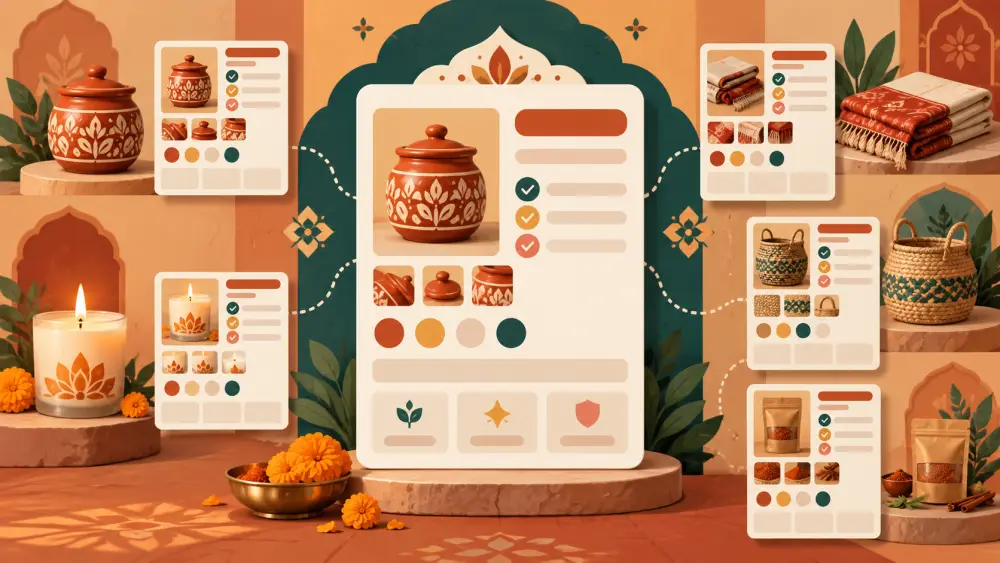
A plain fill-in template for product descriptions, with placeholders and one worked example, so every listing in your catalogue has the same helpful structure.
Read more →Practical guides, independent brands, and the details that make a store yours.
A plain fill-in template for product descriptions, with placeholders and one worked example, so every listing in your catalogue has the same helpful structure.
Read more →Time spent per item multiplied by an hourly rate you choose gives your labour cost, and the rate you pick changes the final price more than you expect.
Read more →Where you place your prices shapes your photos, packaging and support workload, so this walks through what each position asks of you rather than which one wins.
Read more →Divide cost by one minus your target margin. With a Rs 300 cost and 40 percent margin, the price is Rs 500.
Read more →When a bundle pairs a high-margin product with a low-margin one, the blended margin sits in between, and you can work out how much discount it can absorb.
Read more →Use simple rupee arithmetic to see what better packaging really costs per order and how many repeat purchases it would need to pay for itself.
Read more →Choose Pongal products from your own order history and customer questions, size the stock cautiously, and sort packaging and timelines before the rush.
Read more →Build a Pongal hamper by picking items that belong together, packing them to survive transit, and checking that the price covers box, labour and a margin.
Read more →A simple week-by-week plan for posts and stories around Pongal that builds anticipation, gives clear order dates, and leaves room for real-time updates.
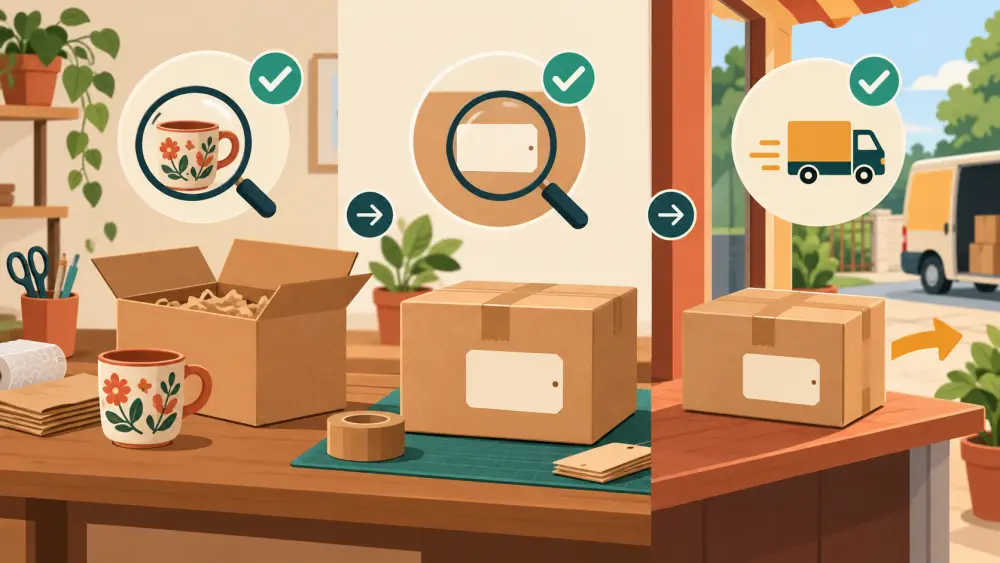
Read more →A short checklist covering the item check, label check and handover can catch many mistakes before a parcel leaves your hands. It will not remove errors, but it will make them rarer.
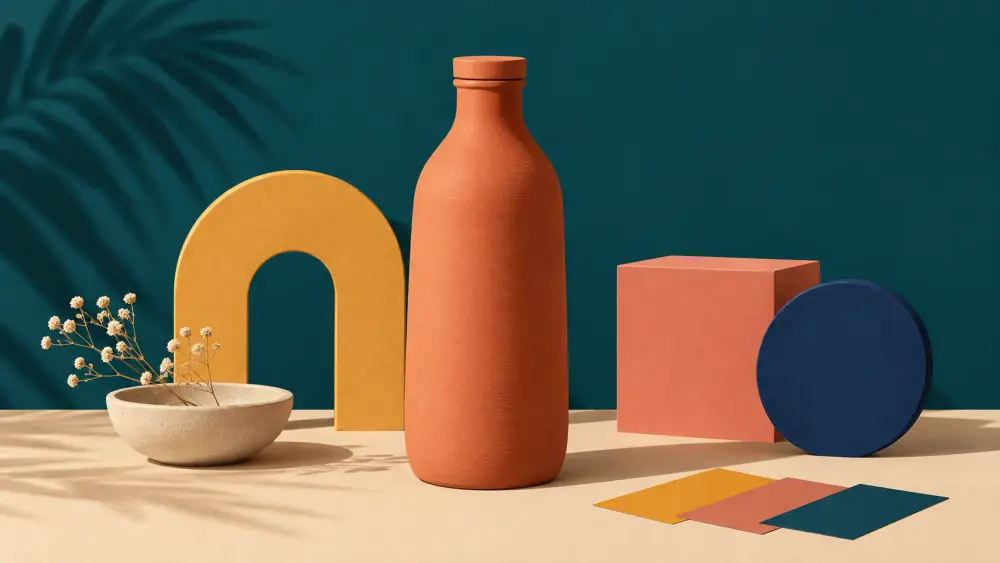
Read more →Use contrast, a limited palette and simple colour-wheel logic to choose backgrounds and props that make your product stand out.
Read more →Physical goods bring stock, packing and shipping while digital goods remove those but bring their own questions, so compare them before you choose.
Read more →A shot plan for sellers of leggings, tops and sports bras, showing stretch and fit in real poses so buyers can judge before ordering.
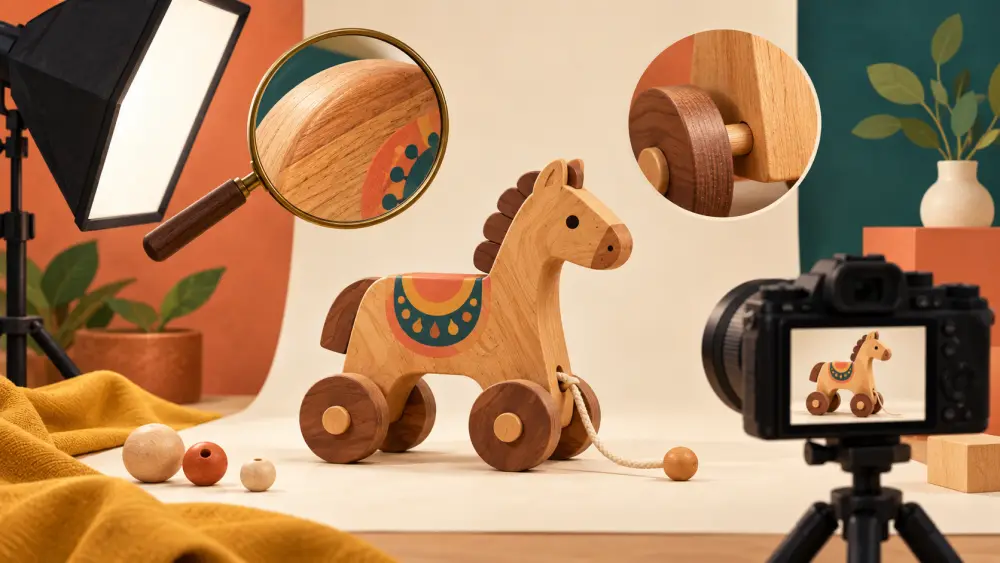
Read more →A shot plan for sellers of handmade wooden toys, with a scale shot using a child's hand and close-ups that show the finish and joinery.
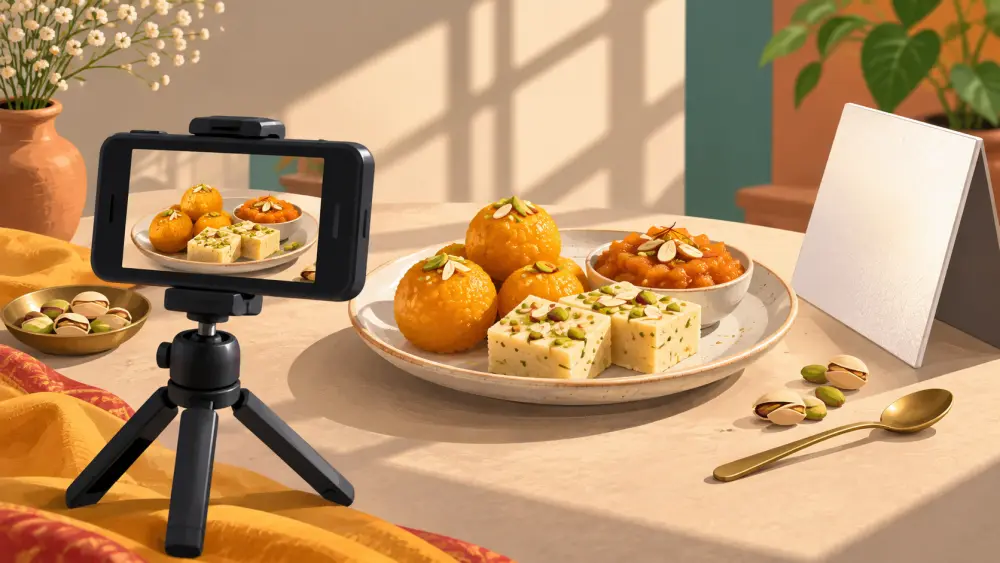
Read more →A shot plan for sellers of laddus, barfis, halwas and other mithai, covering glossy fresh pieces on a plain plate and honest size cues.
Read more →Plan a short shot list for tote bags, from the bag worn on a shoulder to a flat lay that shows the print detail, handles and inside.
Read more →A thirty-second habit of capturing the product, contents and sealed parcel gives you calm, factual evidence if a customer later reports damage or a missing item.
Read more →A shot plan for sellers of terracotta pots, planters and decor, showing earthy texture in daylight with a clear scale reference.
Read more →A shot plan for sellers of notebooks, pens, geometry boxes and stationery sets, built around a neat flat-lay of the full set on a desk.
Read more →Resin pieces are all about depth, clarity and how light moves through them. Here are the shots to plan so a buyer can feel that from a screen.
Read more →Wearable products look better on a person. Here is how to ask, direct and frame a friend or relative so the photos show the product well and everyone is comfortable.
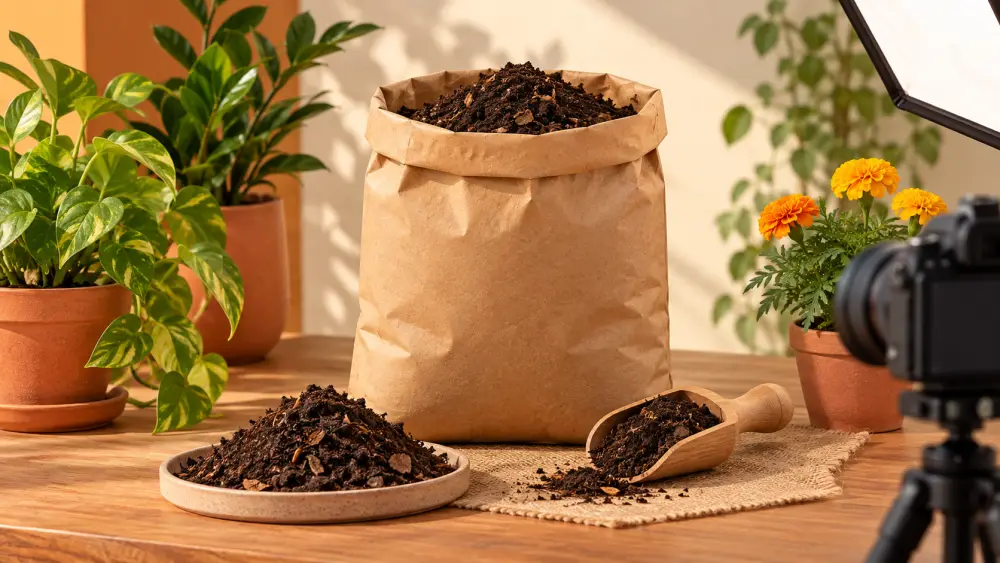
Read more →A bag of compost is not exciting, but the right shots make it understandable and trustworthy. Plan the pack, the contents, a scoop for dosage and the plants it is for.
Read more →Millets are small, beige and easy to make look boring. Here is the shot list that shows grain variety and how the grain looks on a plate.
Read more →A mehendi cone looks like any other cone until you show the stain. Plan shots that prove colour, freshness and ease of use.
Read more →