7 October 2026
Lifestyle photo vs flat lay vs plain background, when to use each
Plain, flat lay and lifestyle photos each answer a different shopper question, and one mug on a phone camera is enough to see how they differ.
Read more →Practical guides, independent brands, and the details that make a store yours.
Plain, flat lay and lifestyle photos each answer a different shopper question, and one mug on a phone camera is enough to see how they differ.
Read more →A lead magnet is a small free gift, like a plant care guide, that you hand over in exchange for an email address, and you can make one in an evening.
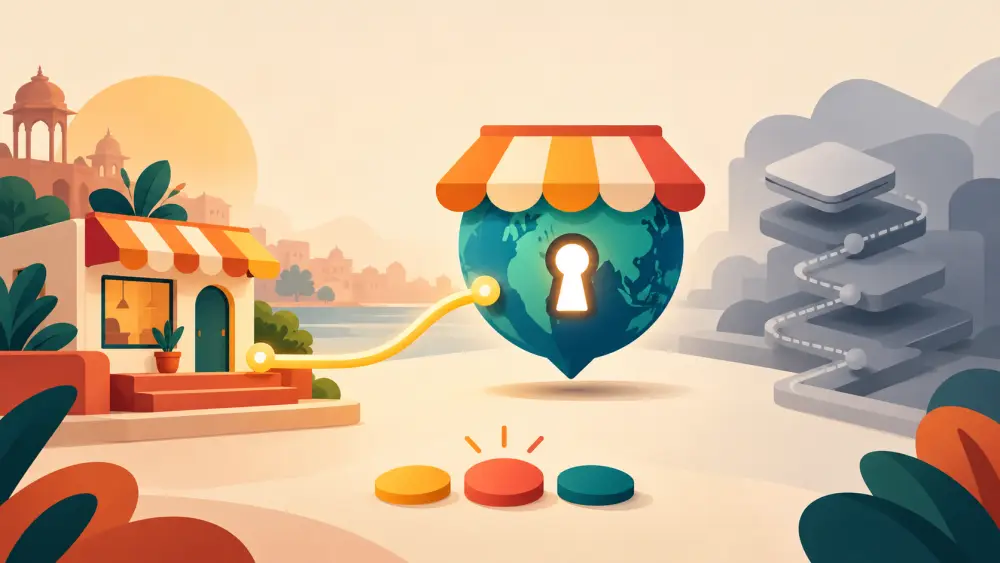
Read more →In many Indian localities a nearby shop or temple finds a house faster than its number, so collecting a landmark at checkout helps parcels arrive.
Read more →A landing page is one focused page for a single product that you send people to from an Instagram post or bio link, with one set of photos and one clear buy button.
Read more →A keyword is the phrase a person types when looking for something, and you can find the ones your buyers use with a free search box and a little patience.
Read more →Guest checkout lets a buyer pay without creating an account, and for first-time buyers on a new store it removes a hurdle you may not realise is there.
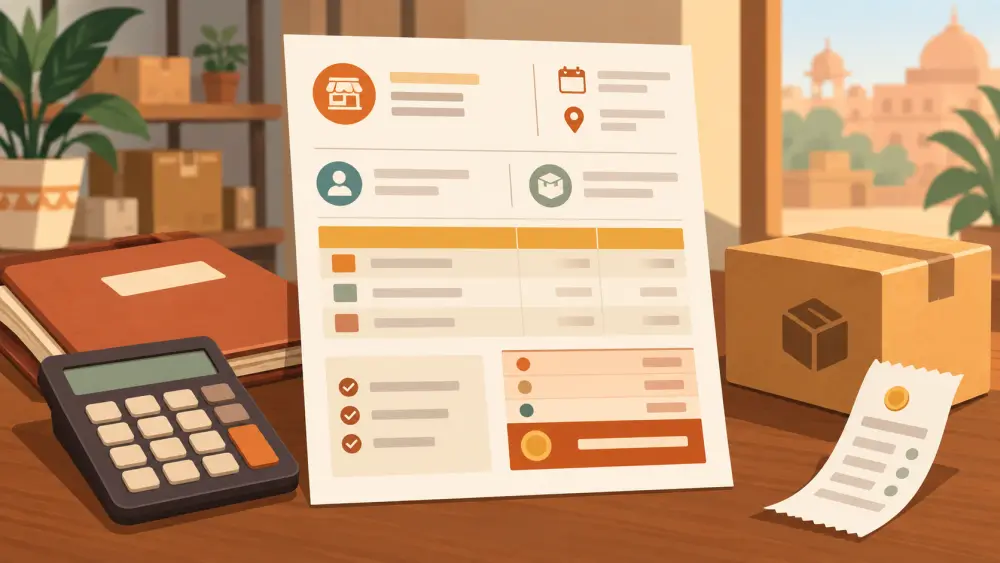
Read more →A GST invoice is the formal sales document that accompanies a sale for a tax-registered business, and the exact content and rules are best confirmed with a CA.
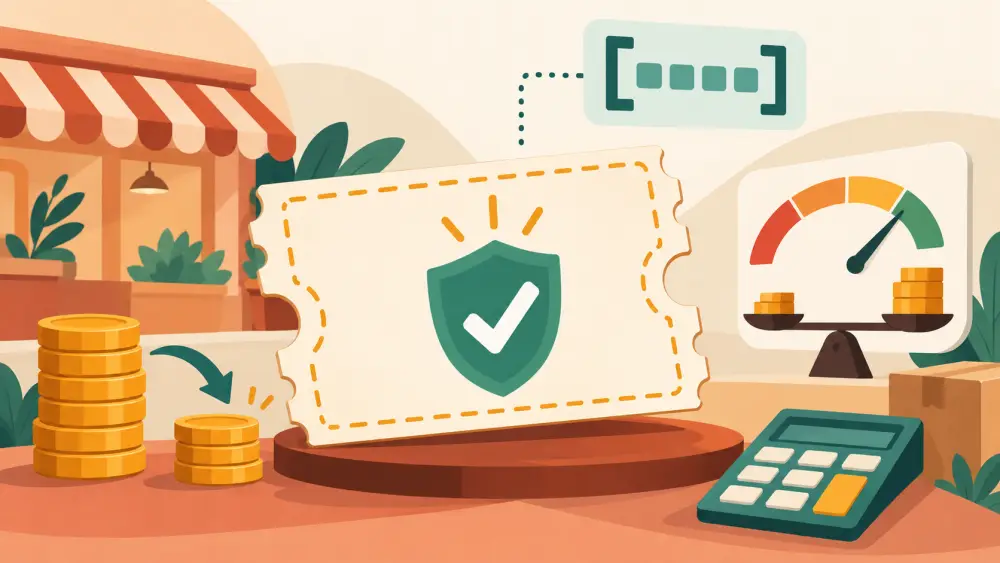
Read more →A gift card or store credit is value a customer holds with you to spend later, and it brings cash today and bookkeeping tomorrow.
Read more →A flash sale is a short, clearly timed offer, and a small seller can run one safely by capping stock, fixing the discount from cost and ending it on time.
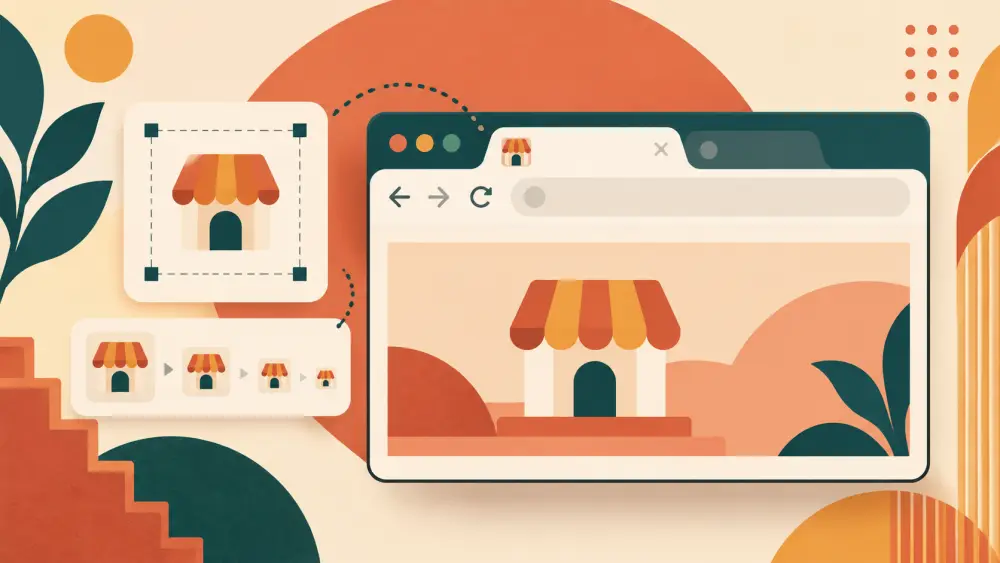
Read more →A favicon is the tiny icon beside your store name in a browser tab, and a clean square logo works best because it is shown so small.
Read more →A fake order is a cash-on-delivery order placed as a prank or by mistake with no intention to accept it, and a quick WhatsApp confirmation step can protect your stock.
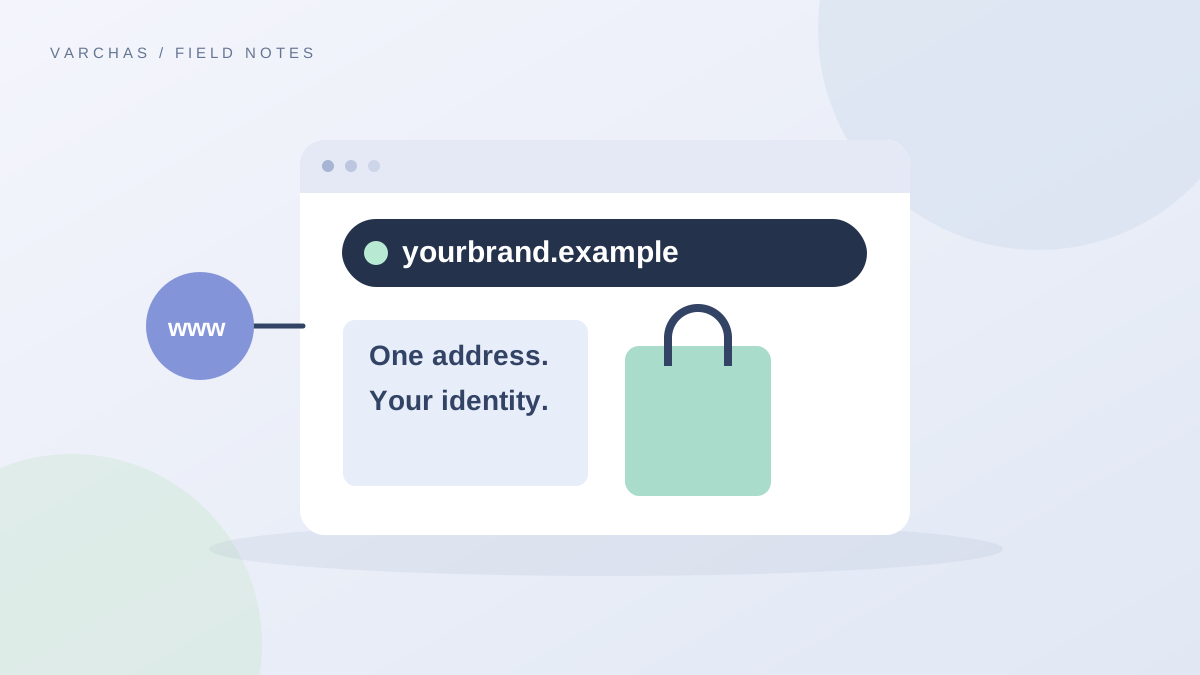
Read more →DNS is the internet's phone book that sends yourbrand.in to your store, and knowing what A and CNAME records are makes connecting a domain much less scary.
Read more →A discount code is a short word a customer types at checkout to get money off, and a quick margin check tells you how generous you can safely be.
Read more →A response-time promise tells customers how quickly you will reply, and a one-person team keeps it by choosing a window it can truly meet.
Read more →A custom domain is your own web address, like yourbrand.in, as opposed to an address that carries the platform's name, and the best ones are short and easy to spell.
Read more →Keeping business money in its own account makes profit visible and records simple, and which account type suits you is a conversation to have with your bank.
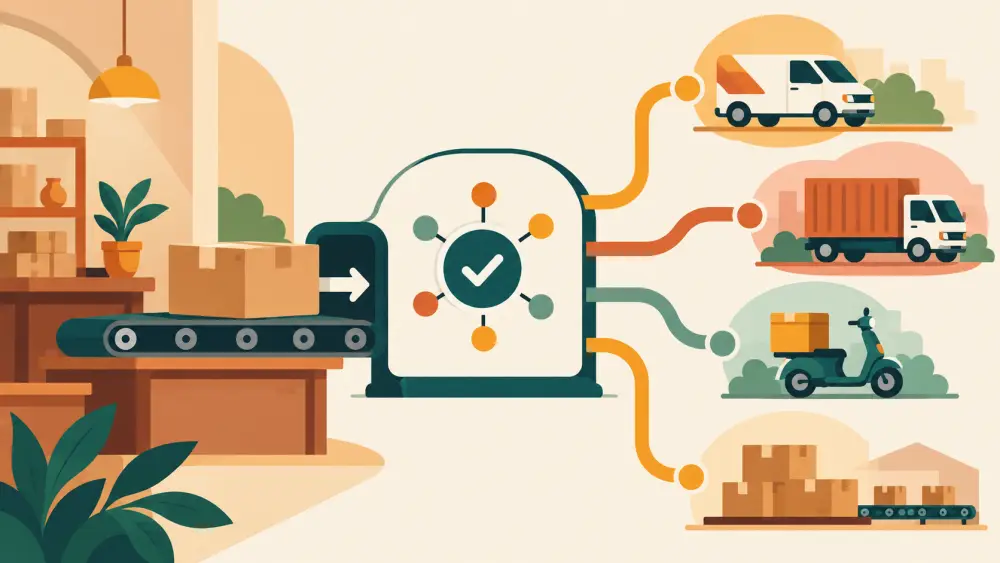
Read more →A courier aggregator is a single platform through which you can book parcels with more than one courier, so a small seller does not need a separate contract with each.
Read more →A content calendar is a plain schedule of what you will post and when, and a four-week grid with three posts a week keeps a home bakery organised.
Read more →A collection or category is a named group of related products, like Under Rs 999 or Festive, that helps shoppers find things without scrolling the whole catalogue.
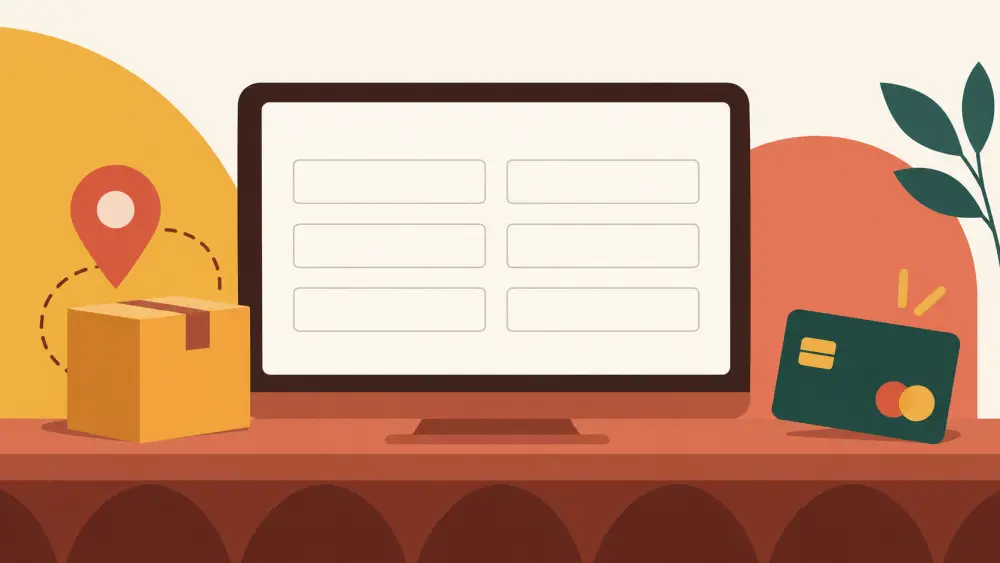
Read more →The checkout page is the last step before an order, where you collect the address and payment, and every extra field you ask for is one more reason to stop.
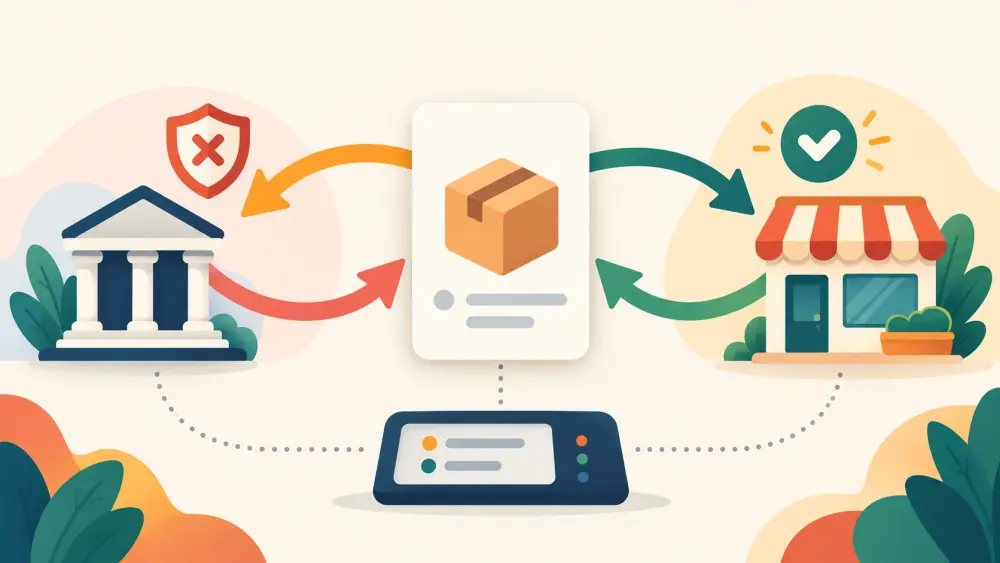
Read more →A chargeback is when a buyer disputes a card payment with their own bank, whereas a refund is you voluntarily sending the money back.
Read more →A cancellation window is the period after ordering when a buyer can cancel without a fuss, and setting yours around your dispatch rhythm keeps both sides happy.
Read more →A call to action is the button or line that tells a visitor exactly what to do next, and clear, specific wording makes that step easier to take.
Read more →A bundle groups products at one combined price, and a simple cost check shows how much discount you can give without losing your margin.
Read more →