
"What is a courier aggregator? (and why small sellers use one)"
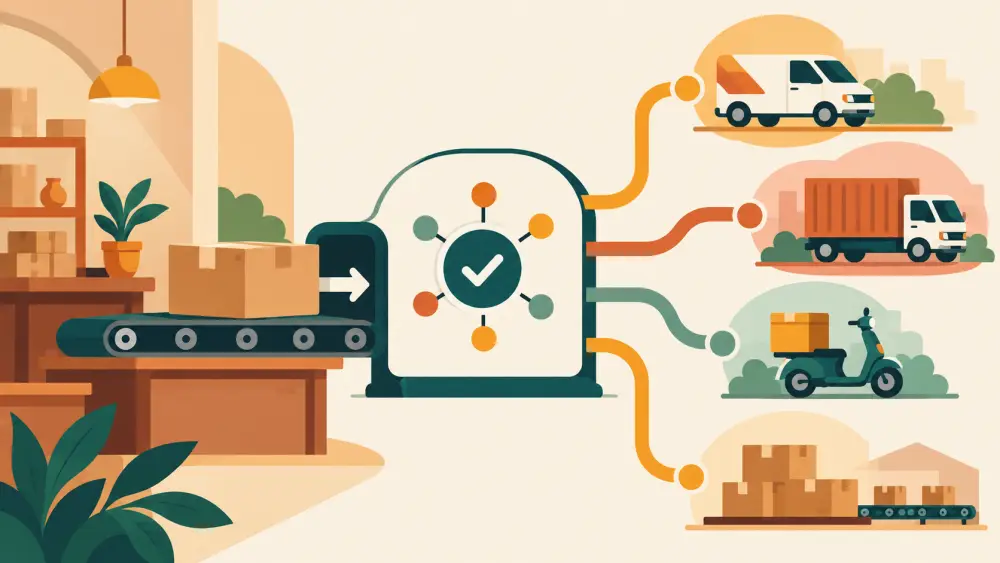
A courier aggregator is a single platform through which you can book parcels with more than one courier, so a small seller does not need a separate contract with each.
When you start shipping, you quickly hear the word aggregator in seller groups. Someone says they use an aggregator, another says they go directly with a courier. What is the actual difference, and which suits a tiny brand?
The simple picture
A courier is the company that physically moves the parcel, with its riders, hubs and vehicles. An aggregator is a platform that sits in front of several couriers. You create one account, enter your pickup address, and the platform lets you choose among the couriers it has arrangements with. You book, print the label, and the chosen courier collects.
It works a bit like a travel booking site. You do not buy a ticket from each bus operator separately. You search once and pick.
Why small sellers use them
A direct relationship with a courier often makes sense once you ship at some volume. Before that, the aggregator model fits small sellers for ordinary reasons.
- One dashboard instead of many logins.
- You can compare options for each parcel rather than being tied to one.
- If one courier cannot serve a pincode, you may be able to pick another from the same screen.
- Label printing, tracking links and pickup booking live in one place.
- You can start with a handful of parcels a week without negotiating a contract.
What any aggregator charges, which couriers it offers and which pincodes are covered are things you have to check on their own site. Those details change, and nobody outside the platform should be quoting them to you.
Where Varchas Stores fits
Varchas Stores can book shipments through Shiprocket, which is an aggregator, and the shipment record in the admin keeps an AWB and a label link once a parcel is booked. You can also ship a parcel yourself and record it by hand, which is covered in self-shipping vs using a shipping aggregator. In Settings you can choose your pickup address, as described in choose a Shiprocket pickup address in settings.
What to ask before relying on one
An aggregator is a convenience, not magic. Before you ship your first real order, find answers to these questions in their documentation or support.
- How is the final charge calculated, and when does weight reconciliation happen?
- What happens if a courier misses a pickup?
- How do you raise a claim for a damaged or lost parcel?
- How and when does COD money reach you?
- What are the support hours, and how do you reach a human?
Questions to ask a courier before you sign up has a longer list that works for aggregators too.
A realistic way to start
Ship five or six real parcels to friends and family across different cities before launch. Notice how the booking feels, how soon tracking updates appear, and how clear the charge breakdown is. Keep notes in a simple sheet. After a month of real orders, you will know whether the convenience is worth it, or whether a particular courier deserves a direct conversation.
It also helps to remember that the aggregator is not the one who delivers. When a parcel is delayed, you may be talking to the aggregator about a problem that sits with the courier. Keep your own record of the AWB, the pickup date and any messages, so you can describe a case clearly and quickly.
Choosing an aggregator is not a lifelong decision. Many sellers start with one, learn their own parcel patterns, and adjust later. Start simple, measure what happens, and let your real data guide the next step.