23 September 2026
What Varchas Stores is, in plain words
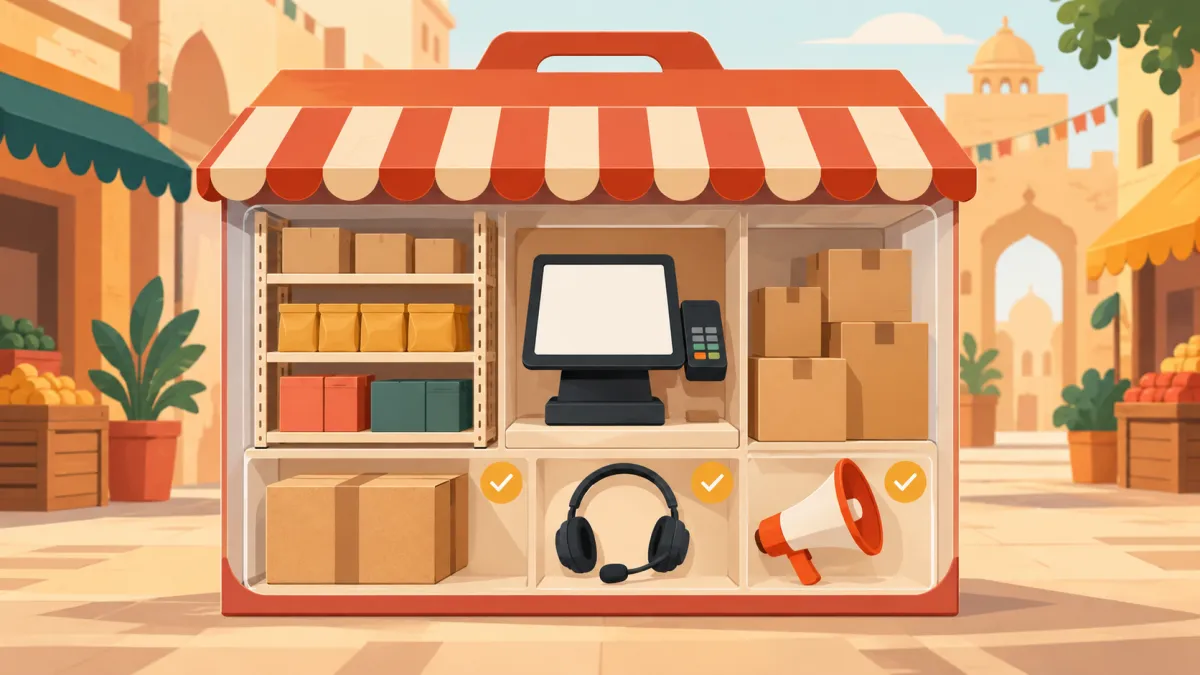
A plain-language explainer of Varchas Stores for a brand that has only ever sold through an Instagram page.
Read more →Practical guides, independent brands, and the details that make a store yours.
A plain-language explainer of Varchas Stores for a brand that has only ever sold through an Instagram page.
Read more →How a limited Drop works on a Varchas store and why it suits brands that release collections in batches.
Read more →A first-time customer decides whether to trust you long before they read a product description, and a store communicates that decision faster than any caption.
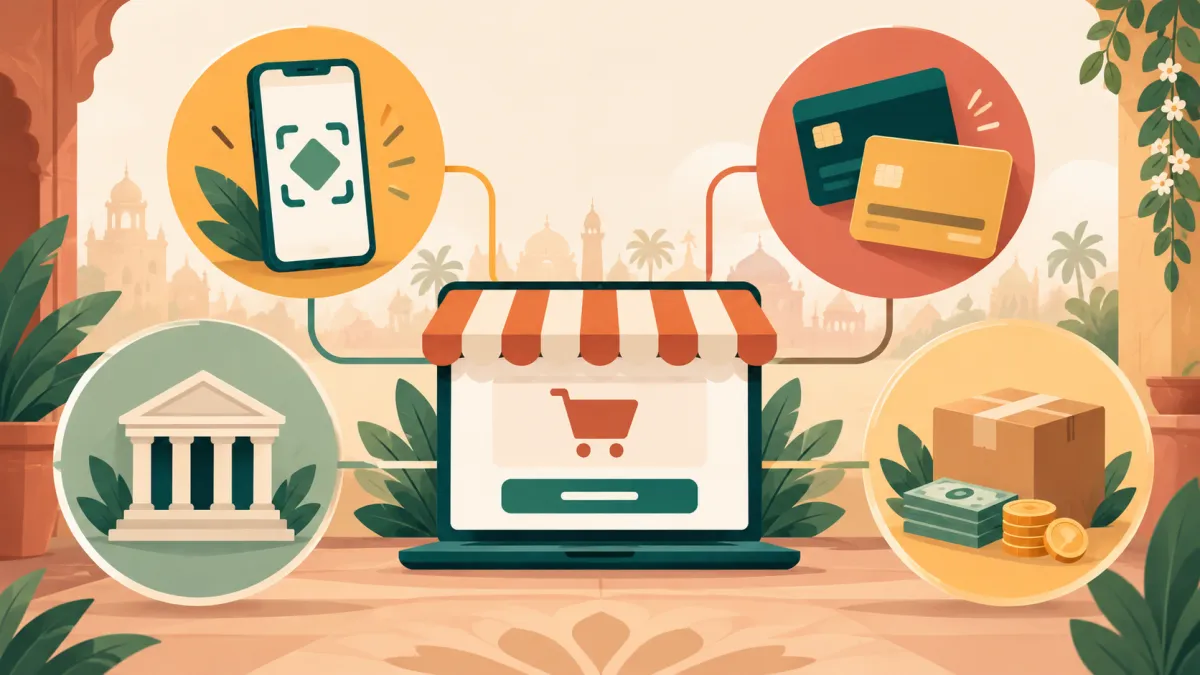
Read more →A clear look at how a Varchas store accepts UPI, cards, netbanking, and Cash on Delivery.
Read more →A first sale proves your product works; a second sale from the same person proves your business does, and most small brands underinvest in making it easy.
Read more →How agencies and freelancers can earn by referring brands to Varchas Stores.
Read more →A link-in-bio page looks free and effortless, but every click it routes through someone else's system is a data point and a customer relationship you never quite own.
Read more →What the Founding Offer for the first 10 Varchas stores actually includes, without vague marketing language.
Read more →Doing everything yourself feels like dedication early on, but the parts worth automating are usually the ones you're least aware you're still doing manually.
Read more →More products rarely means more sales for a small brand; it usually just means more decisions for a customer to avoid making.
Read more →Shipping is where a well-run small brand can quietly lose a customer's trust, and most of the fixes are about clarity, not logistics expertise.
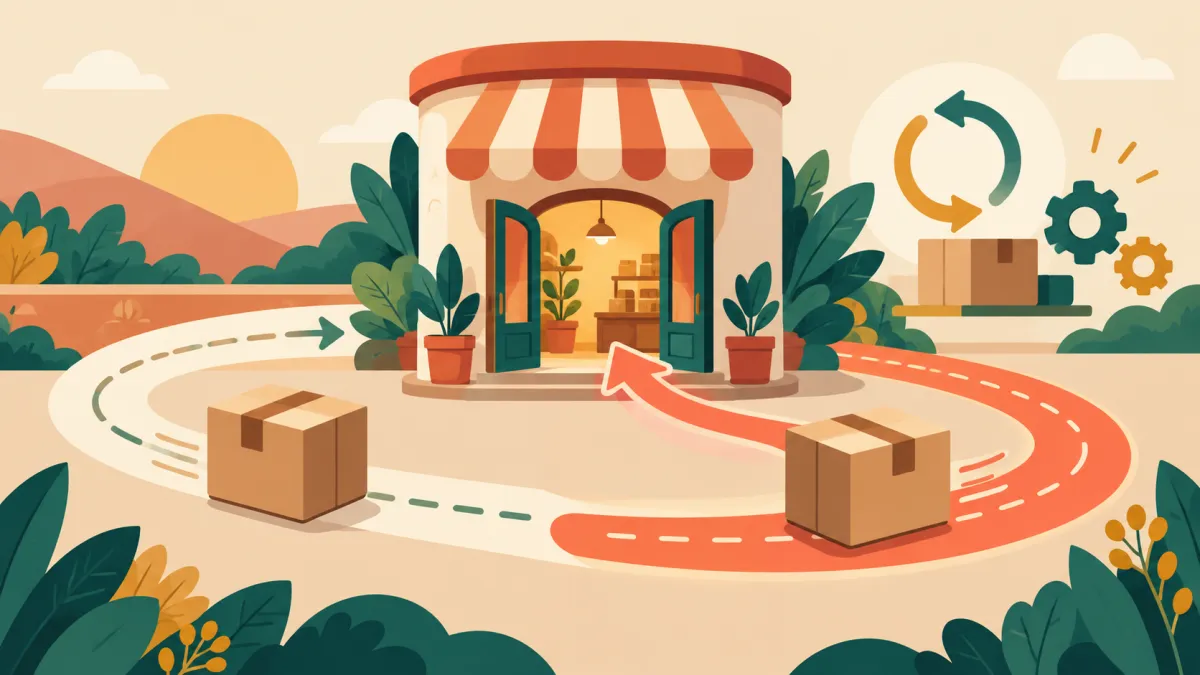
Read more →Return-to-origin and returns are a normal cost of selling online in India, not a sign something is broken, and planning for them beats being surprised by them.
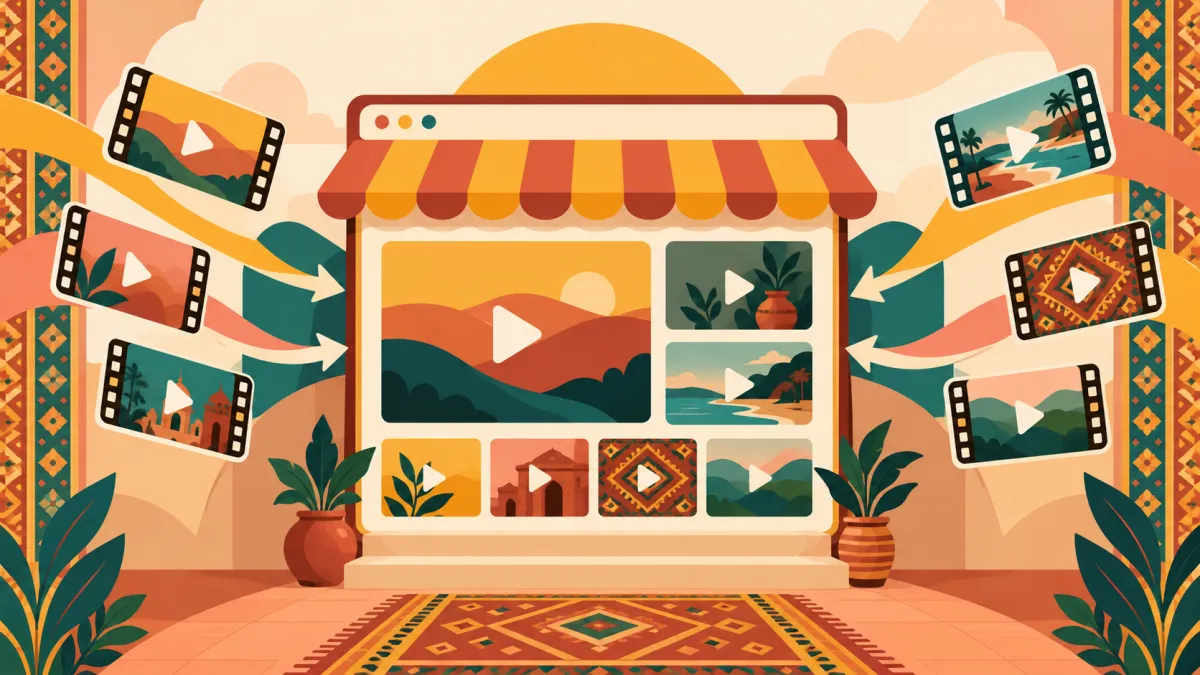
Read more →Why the reels and YouTube videos you already made should not live only on Instagram.
Read more →Why colourways and sizes need their own structure, not just a mention in a product description.
Read more →Most new founders underprice out of fear of losing a sale, without realising a low price often signals lower quality rather than better value.
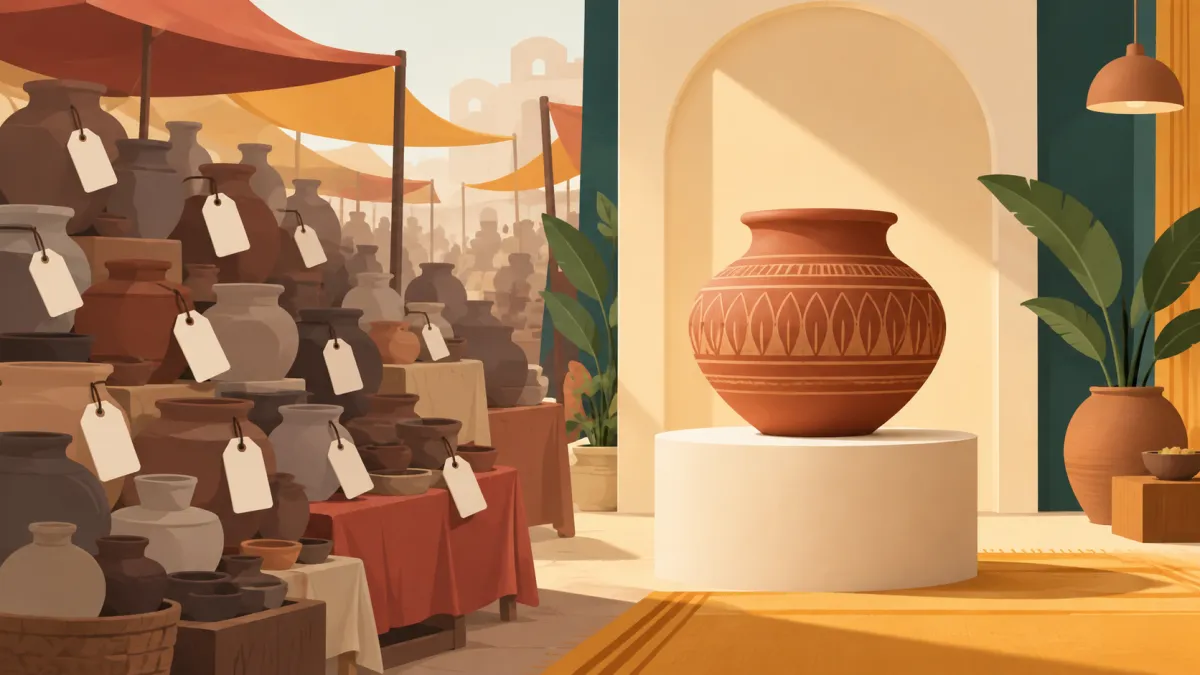
Read more →On a marketplace your price is judged against strangers; on your own store it can be judged on its own terms, which changes what you're allowed to charge.
Read more →Good product photography for a small brand is mostly about consistent light and a clean background, not equipment, and a phone camera is genuinely enough.
Read more →A link-in-bio tool and a marketplace listing both borrow your visibility from someone else; a domain with your name on it is the one address that is actually yours.
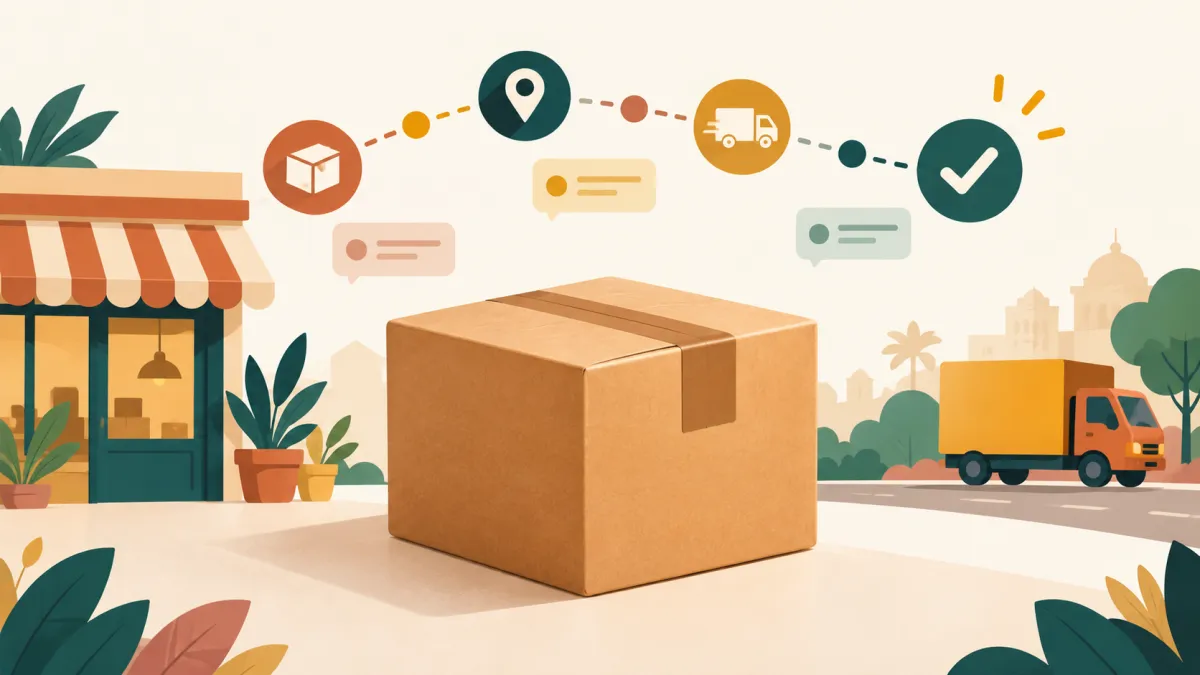
Read more →Why letting customers check their order status directly matters more than another "where is my order" DM.
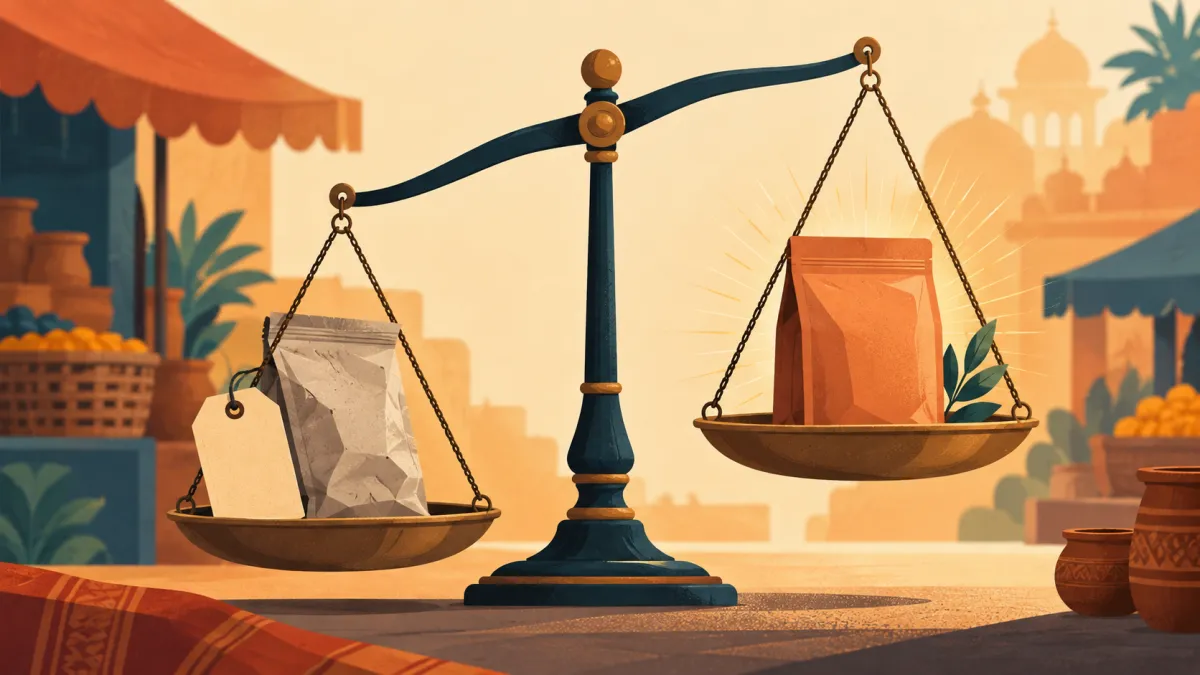
Read more →The commission line on a marketplace invoice is only the start; the real cost shows up in pricing, margins and who the customer thinks they bought from.
Read more →Why customer data staying with the merchant, never sold or shared, matters as much as any feature.
Read more →How every order on a Varchas store gets its own invoice and email automatically, without manual work.
Read more →Instagram is unmatched for getting noticed, but a billboard was never meant to also handle payment, delivery and order records.
Read more →Zivame set out to make buying lingerie in India comfortable and private, at a time when the in-store experience made many women avoid it.
Read more →