
Message templates for late deliveries that keep customers calm
Three short, ready-to-adapt templates for the most common causes of a late order, plus a few habits that make any template sound like a person wrote it.
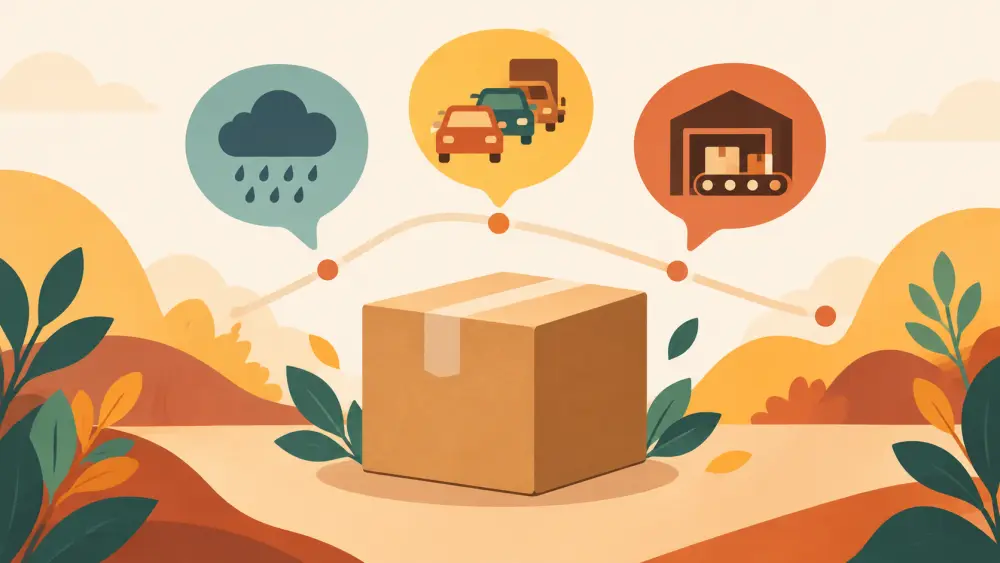
When three customers ask about late orders in one evening, you do not want to compose each reply from scratch. Keep a small set of templates in your notes app and edit the name and details each time. Below are three, one for each common cause. Change the words so they sound like you.
Template one, the delay is on your side
Use this when you are late packing or dispatching, perhaps because of a supplier delay or a busy week.
"Hi [Name], thank you for your order [number]. I owe you an honest update. It has not been dispatched yet because [short reason, such as a delay with a material shipment or a larger-than-usual batch]. I am sorry for the wait. I am working on it now and I will message you the moment it is handed to the courier. If you would like to cancel instead, just reply and I will take care of it."
Why it works. It owns the problem, gives the real reason in a few words, tells the buyer what happens next and offers an exit.
Template two, the parcel is moving slowly with the courier
Use this when the parcel has left you but tracking shows slow progress.
"Hi [Name], your order [number] was dispatched on [date] and is on its way. The tracking shows it is still in transit, which is taking longer than I would like. I have raised it with the courier and I will check again [today evening or tomorrow morning]. Here is the tracking link again: [link]. I will write to you as soon as there is movement."
Why it works. It says what you have done, gives a time when you will look again, and repeats the link so they do not have to scroll back. It does not name the courier or blame anyone.
Template three, a known external reason
Use this when a wider cause, such as heavy rain in a region or a festival rush, is likely to affect parcels. Only use it if you genuinely have reason to think so.
"Hi [Name], a quick note about order [number]. Parcels in some areas are taking longer than usual right now, and yours may be affected. I do not have a firm date to give you, and I do not want to promise one that I cannot keep. I am watching the tracking and will message you with any change. Thank you for bearing with us."
Why it works. It is open about uncertainty and still shows that you are paying attention.
Habits that keep templates human
- Use the customer's name and the order number every time.
- Change at least one sentence to fit the situation, such as a detail they mentioned.
- Keep it short enough to read on a phone without scrolling much.
- Avoid copy-paste phrases that sound like a call centre.
- End with what you will do next, not with an apology.
Things not to put in a template
Do not write a new delivery date unless the courier has actually confirmed it. Do not promise compensation in advance, since not every case will deserve it. Do not use the word "guarantee" for anything outside your control.
Keep a log of who you messaged
Note the date you sent each update so you remember when your next one is due. A late order with two quiet days after your promise looks worse than the original delay. For broader thinking, read What to say to a customer when an order is delayed and Order tracking your customers can trust.
Where to store them
A pinned note on your phone or saved replies in your chat app both work. Review the set every few weeks. Delete lines that customers misunderstood and add a new template when a new type of delay shows up. The aim is not to sound scripted but to save your energy for the cases that truly need a personal touch, and to make sure every customer gets a clear, kind update.