7 October 2026
"What is break-even? (and how to work it out for your store)"
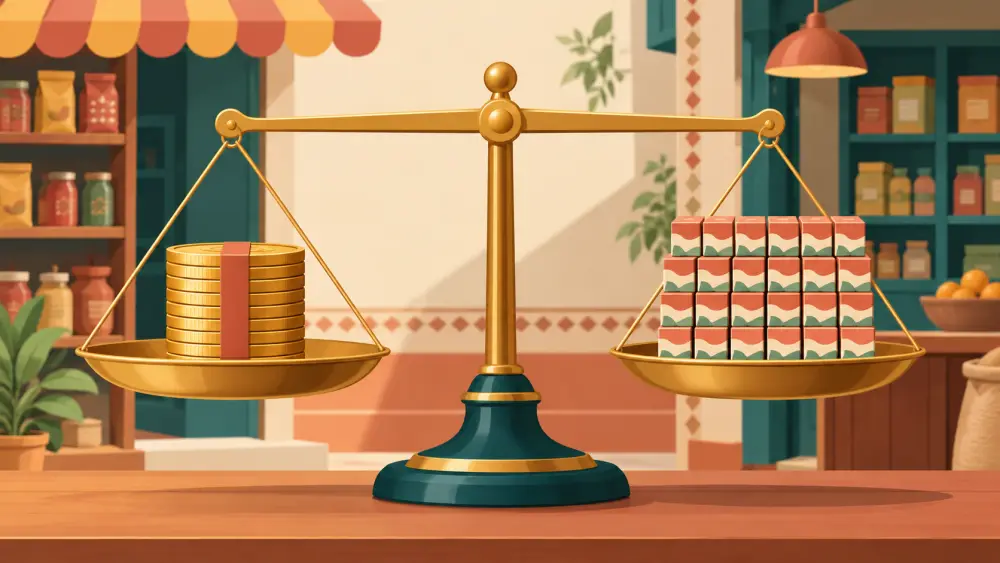
Break-even is the number of sales at which you have earned back your fixed costs, and you can work it out with one subtraction and one division.
Read more →Practical guides, independent brands, and the details that make a store yours.
Break-even is the number of sales at which you have earned back your fixed costs, and you can work it out with one subtraction and one division.
Read more →Bounce rate describes visitors who leave after seeing just one page, and this post explains how to read it for your own store and what to try when it worries you.
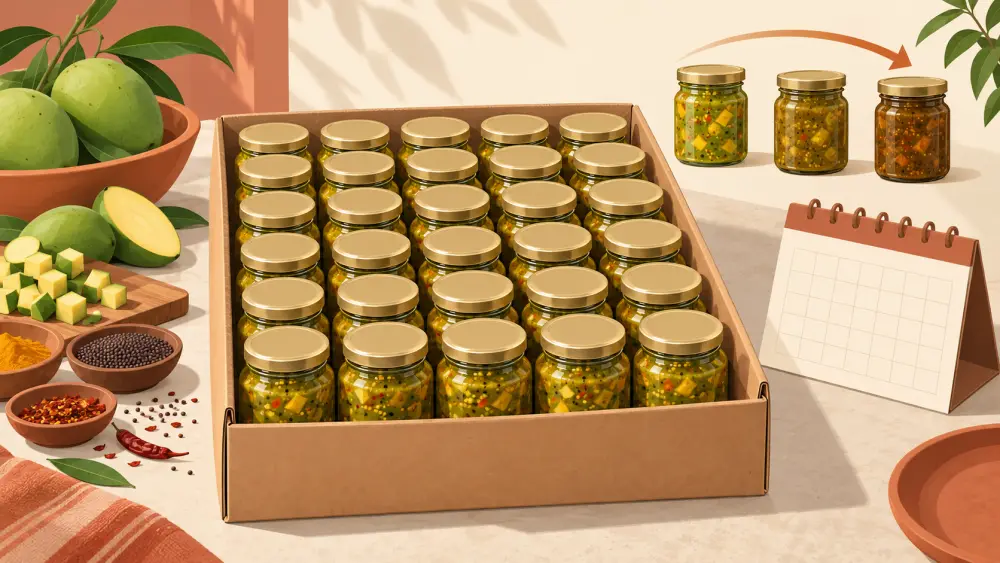
Read more →Batch production means making a set quantity in one run instead of one piece at a time, and the real work is choosing a batch size you can sell before it goes stale.
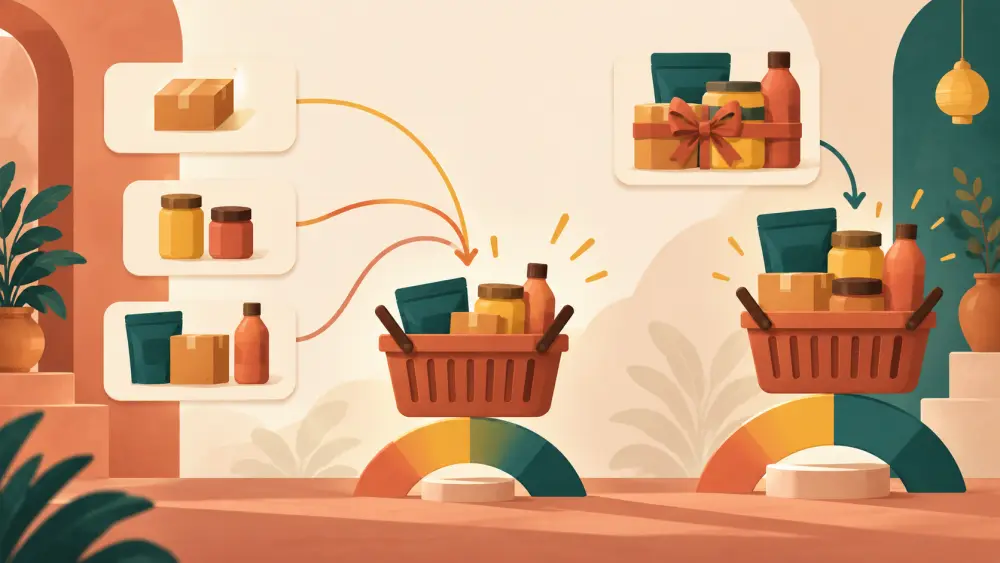
Read more →Average order value is total sales divided by number of orders, and watching it shows how bundles, free shipping limits and pricing change what each customer spends.
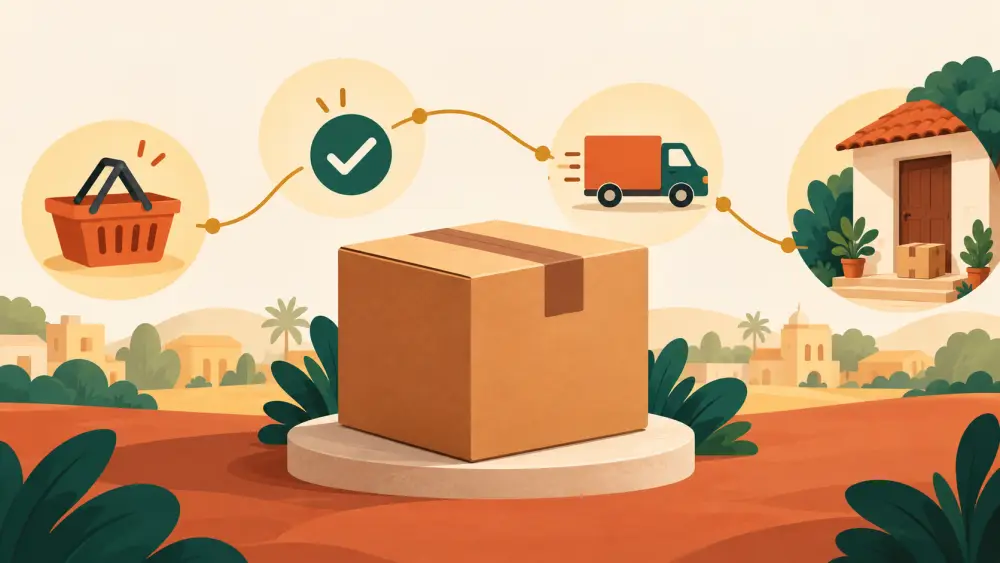
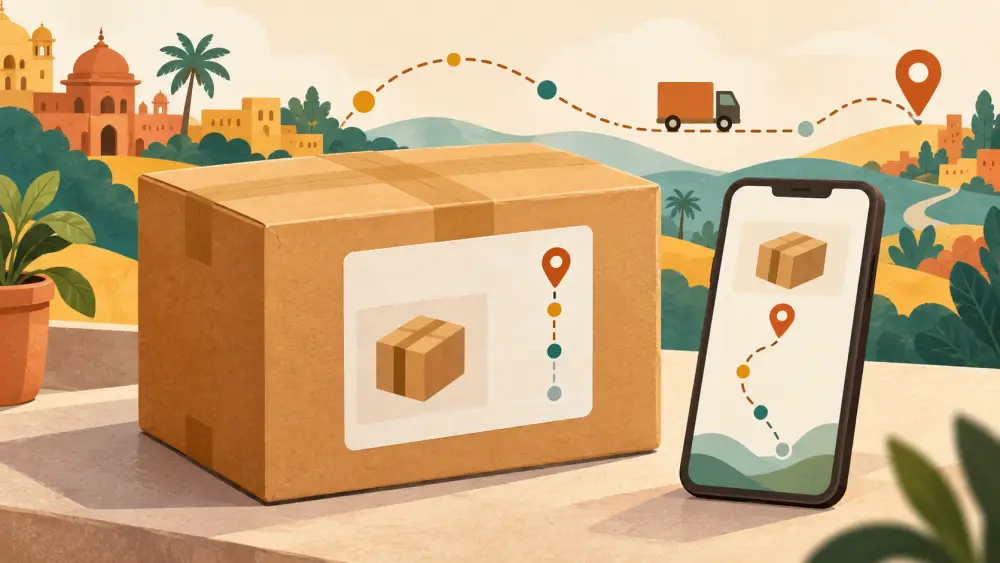
Read more →An order status is a label showing where an order is in its journey, and keeping it truthful is the easiest way to cut where-is-my-order messages.
Read more →Opt-in means a person said yes to hearing from you, and asking first through a simple unticked checkbox keeps your WhatsApp and email lists friendly and trusted.
Read more →Udyam registration is a government recognition that small businesses can apply for online, and the official site is the place to confirm whether and how it applies to you.
Read more →The link in bio is the one clickable link on your Instagram profile, and it should send visitors straight to the place where they can actually buy.
Read more →An FAQ page answers the questions buyers keep asking before they pay, and these ten are the ones every small Indian store should cover.
Read more →The AWB is the tracking ID printed on a parcel that you share with the customer, and it is the key to checking status, raising claims and answering where is my order.
Read more →Store analytics can feel overwhelming, but a small seller can start with just visitors, orders and the share of visitors who buy, and this guide shows how to read them together.
Read more →Address validation means checking that a delivery address is complete and usable before dispatch, because a small gap such as a missing flat number can send a parcel back.
Read more →An abandoned cart is when a shopper adds items and leaves without paying, often because of a surprise at the last step such as shipping cost.
Read more →Alt text is a short written description of an image that screen readers speak aloud and that appears if the picture fails to load.
Read more →A chat-based catalogue shows your products inside WhatsApp, while your own store adds a cart, checkout and order records, and the gap shows up at around ten chats a day.
Read more →A welcome email is the first message a new customer or subscriber gets from you, and a short, warm one with a sample you can copy is all a small seller needs.
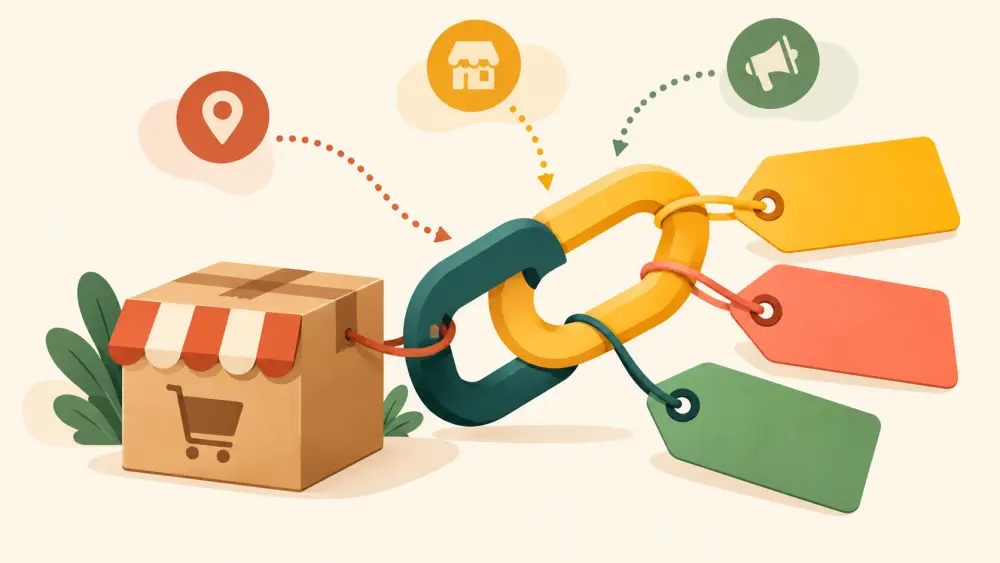
Read more →A UTM link is your normal web address with a few labels added at the end, so your analytics tool can tell you whether a sale came from a reel, a story or a WhatsApp message.
Read more →A UTM link is your normal store link with a few labels added at the end, so you can tell which post, creator or message sent a visitor to you.
Read more →A trademark is a legal way to protect a brand name or logo, and a small brand can learn the idea first and then talk to an IP professional about its own case.
Read more →An order tracking page is where a buyer checks the status of their parcel, and a good one saves you from a lot of where-is-my-order messages.
Read more →A subscription product is delivered again and again on a schedule, and a small seller can run one by hand if they respect the admin work it brings.
Read more →A strong store password is long, unique and kept in a password manager, and this post explains simple rules with an example phrase style you can use today.
Read more →A SKU is a short code for one exact version of a product, and giving each size and colour its own code keeps your stock counts and packing accurate.
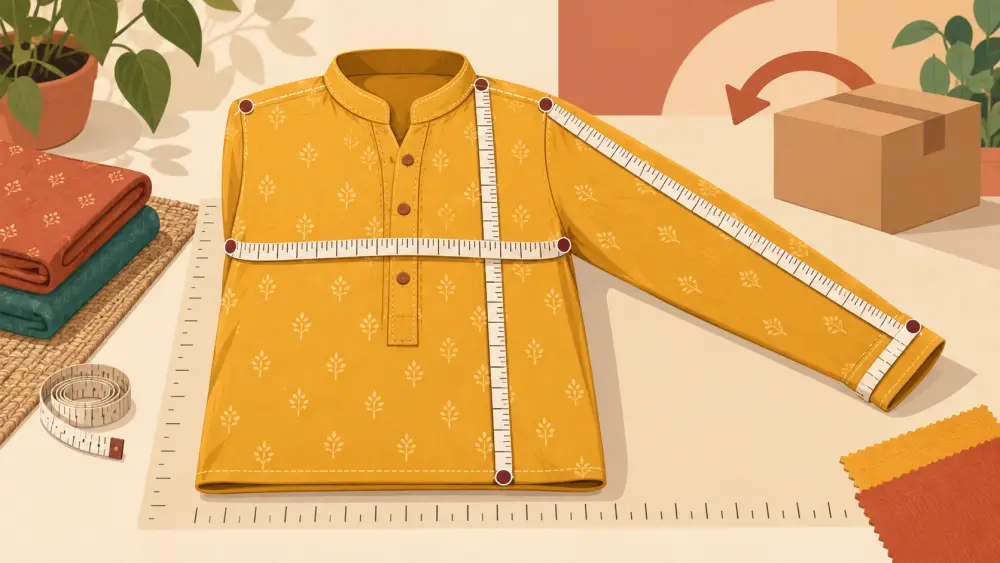
Read more →A size chart lists the real garment measurements in inches for each size so a buyer can compare against a piece they already own and pick the right fit.
Read more →