
What is an AWB or waybill number? (and why it matters for your store)
The AWB is the tracking ID printed on a parcel that you share with the customer, and it is the key to checking status, raising claims and answering where is my order.
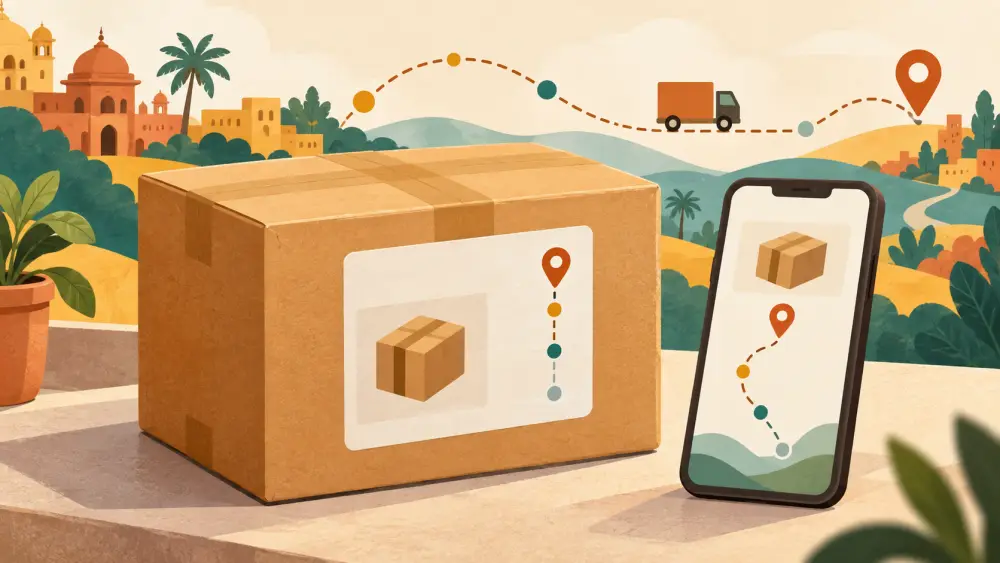
When you book a courier, you get a long code attached to that parcel. People call it the AWB number, the waybill number or simply the tracking number. It is a small thing that you will use every day.
The meaning
AWB stands for airway bill, a term borrowed from air cargo. In courier use, it is the unique number assigned to one shipment. It is usually printed on the shipping label stuck to the parcel, often with a barcode. Every scan along the journey is recorded against that number.
Think of it as the parcel's identity card. The courier does not look for "Priya's candle order", it looks for that number.
Where you will see it
If you ship through Varchas, the order page in the admin shows the AWB for a shipment once one is created, labelled as AWB, or as a tracking number for manual shipments. That is the number to copy when you need it. Exactly what the code looks like depends on the courier, and I will not guess at formats. Use whatever you are given.
Why it matters
Tracking. With the number, you or the customer can look up where the parcel is. Explaining tracking statuses in plain language helps you read those updates.
Answering customers. The most common message sellers get is "where is my order?" With the AWB, you can check and reply in seconds. See handling where is my order messages quickly.
Claims. If a parcel is damaged or lost, the courier will ask for the AWB when you raise a complaint. How to raise a damage claim with a courier lists what else to keep.
Reconciliation. When you check charges and COD remittances, the AWB lets you match each parcel to a line in the statement.
Returns. If a parcel comes back, the number helps you identify it.
Share it with the customer
Customers feel better when they can see progress. Send the AWB, the courier name and a tracking link as soon as the parcel is shipped, in a clear message. How to share tracking details with customers has wording, and what to send customers at each shipping stage covers the full sequence.
Check the number before you send it. A single wrong digit sends your customer to an empty tracking page, and they will message you in confusion.
Keep your own record
Write the AWB beside each order in your sheet or admin. When you pack in batches, double-check that the label on the box matches the order it belongs to. A mixed-up label sends one customer's parcel with another's number, which is a messy problem to untangle. See how to avoid sending the wrong item.
Common confusions
- The AWB is not the order number. The order number is yours; the AWB is the courier's.
- A freshly created AWB may show no updates until the courier picks the parcel up. Wait for pickup before worrying. Why tracking looks stuck and what to tell customers covers longer delays.
- Tracking pages may lag behind reality. A status may update only when a scan happens.
Treat the AWB as the thread connecting you, the courier and the customer. Keep it safe, share it promptly, and most delivery questions answer themselves.