What is mobile-first design? (and why Indian shoppers expect it)
Mobile-first design means shaping your store for a phone screen and a thumb before anything else, so browsing and checking out feel natural for people on phones.
Read more →Practical guides, independent brands, and the details that make a store yours.
Mobile-first design means shaping your store for a phone screen and a thumb before anything else, so browsing and checking out feel natural for people on phones.
Read more →Made-to-order means you start making the product only after someone buys it, so the lead time you show decides whether customers trust the wait.
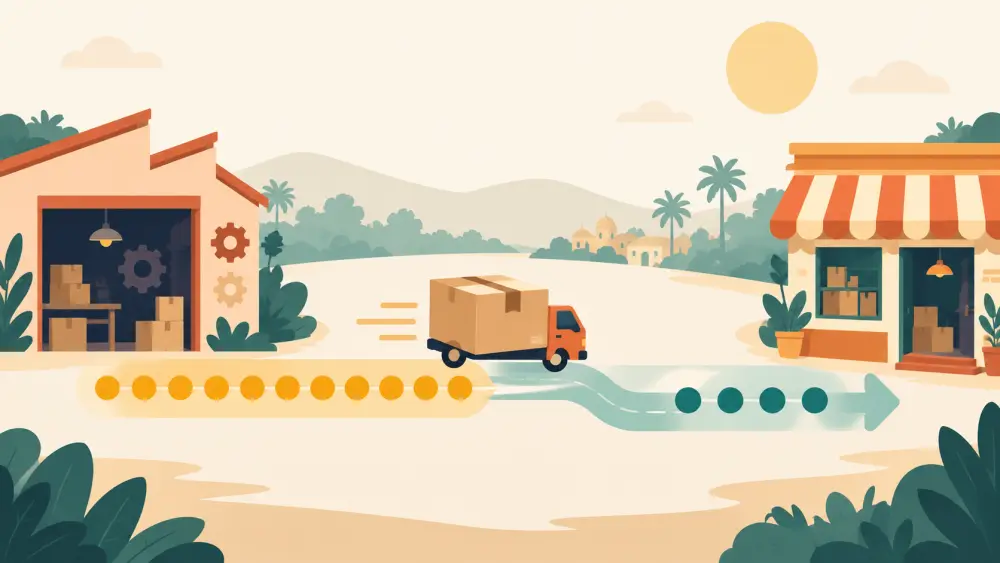
Read more →Lead time is the gap between someone placing an order and having it in hand, and it is the sum of every wait in between, not just the courier's part.
Read more →KYC means know your customer, the identity check a payment provider runs on you as the seller before it will pay money out to your bank account.
Read more →Inventory turnover tells you how many times you sold through your stock in a period, and one small division is all you need to find yours.
Read more →Image compression shrinks a photo's file size so pages open faster on mobile data, and a 5 MB phone photo is the most common culprit on small stores.
Read more →An HSN code is a standard classification number for products, used so that goods are described the same way across invoices and tax records, and you should look yours up from official lists.
Read more →GST registration is the process of being formally recognised as a tax-collecting business, and whether and when you need it depends on your situation, so confirm it with a CA.
Read more →A Google Business Profile is the listing that appears on maps and search when people look for a business nearby, and whether it suits you depends on how you work.
Read more →GMV is the total value of orders placed, before cancellations, returns and every cost, so it looks big and says very little about what you keep.
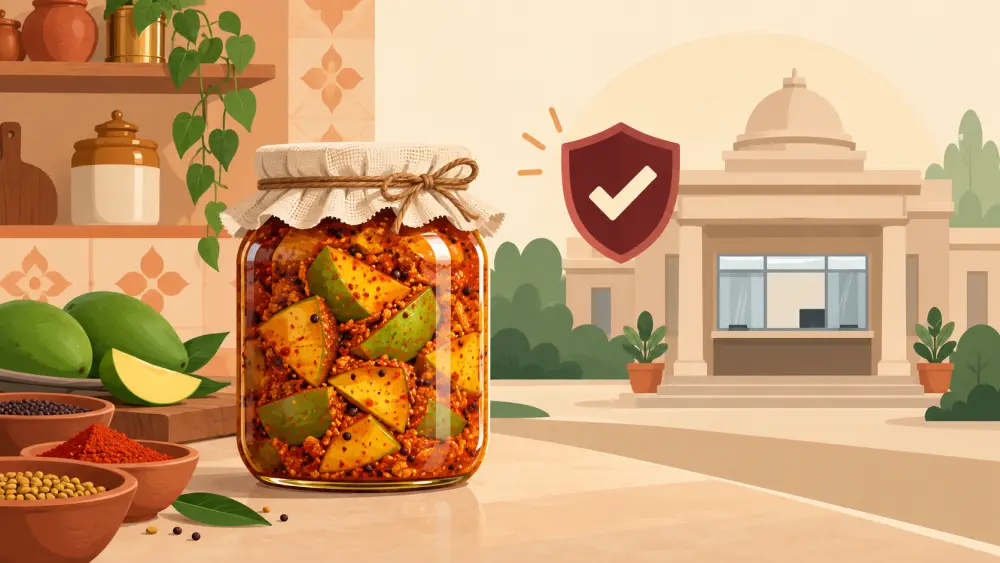
Read more →FSSAI is the national food safety regulator, and any home food seller should check with its official sources about what applies to them before selling online.
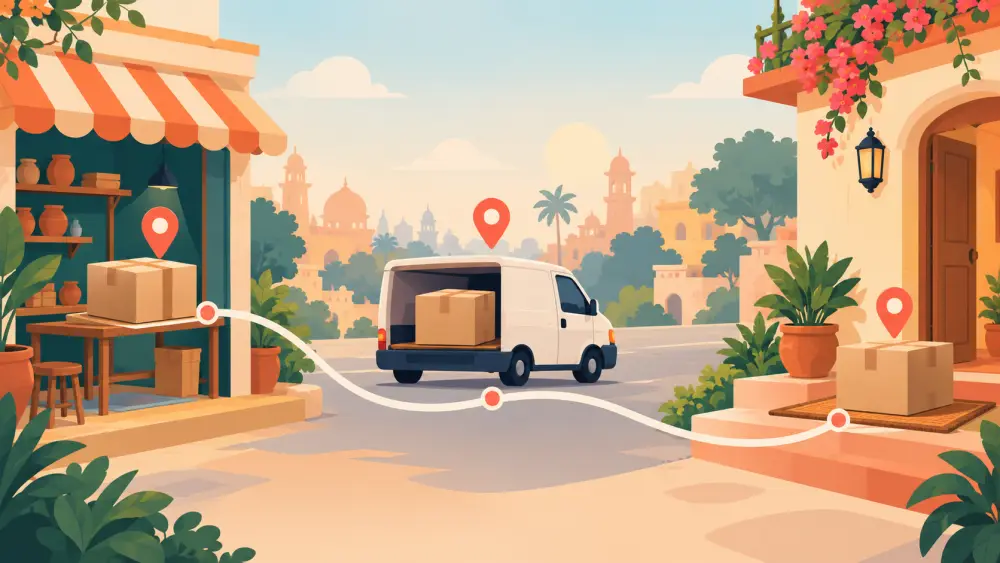
Read more →First mile is the trip from your doorstep to the courier network and last mile is the final stretch to your customer's door, and each has its own problems a seller can reduce.
Read more →A new store only needs two emails to begin, a warm welcome note and an occasional restock note, each short, honest and sent to people who agreed to receive them.
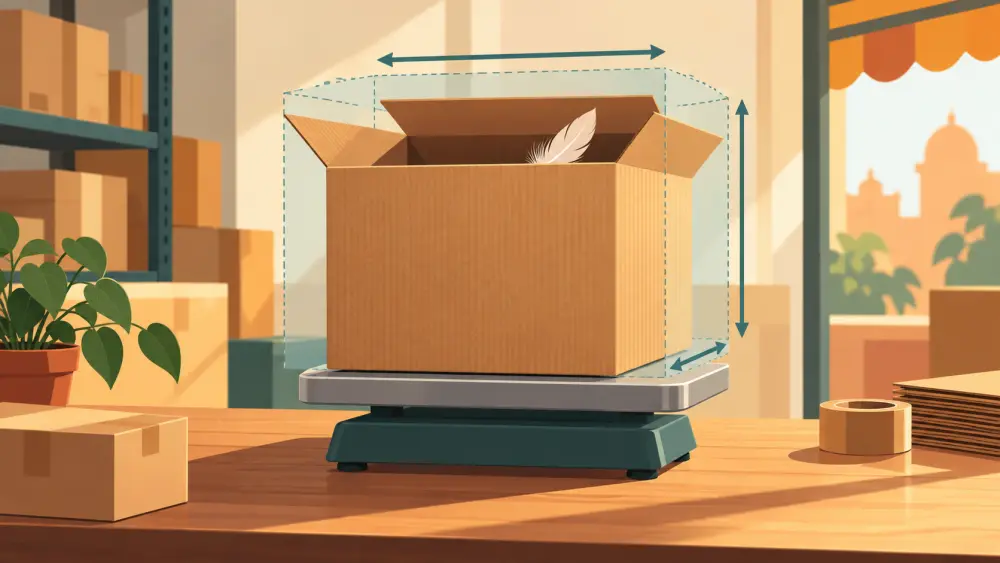
Read more →Dead weight is what your parcel really weighs and chargeable weight is the figure a courier bills on, which can be higher when the parcel is light but bulky.
Read more →Dead stock is inventory that has stopped selling, and you can use clearance, bundling or gifting to turn a stuck colourway back into cash and shelf space.
Read more →D2C means selling straight to your buyers through your own store, which gives you the customer relationship but also the responsibility for everything around the sale.
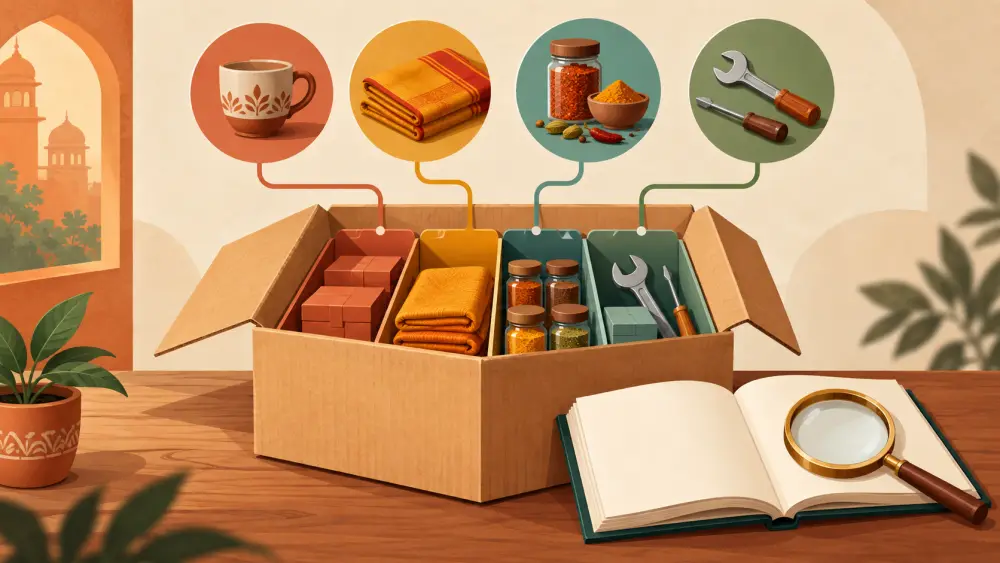
Read more →Customisation lets a buyer choose from options you set, while personalisation adds something unique to them such as a name, and each needs a different lead time.
Read more →Customer lifetime value is the total a customer brings you over the time they keep buying, and it explains why a repeat buyer is worth more than a single big sale.
Read more →Customer acquisition cost is what you spend to win one new buyer, and working it out for your store shows whether your ads and offers are paying their way.
Read more →Conversion rate is the share of store visitors who place an order, and with 200 visitors and 4 orders the arithmetic is simple enough to do on your phone.
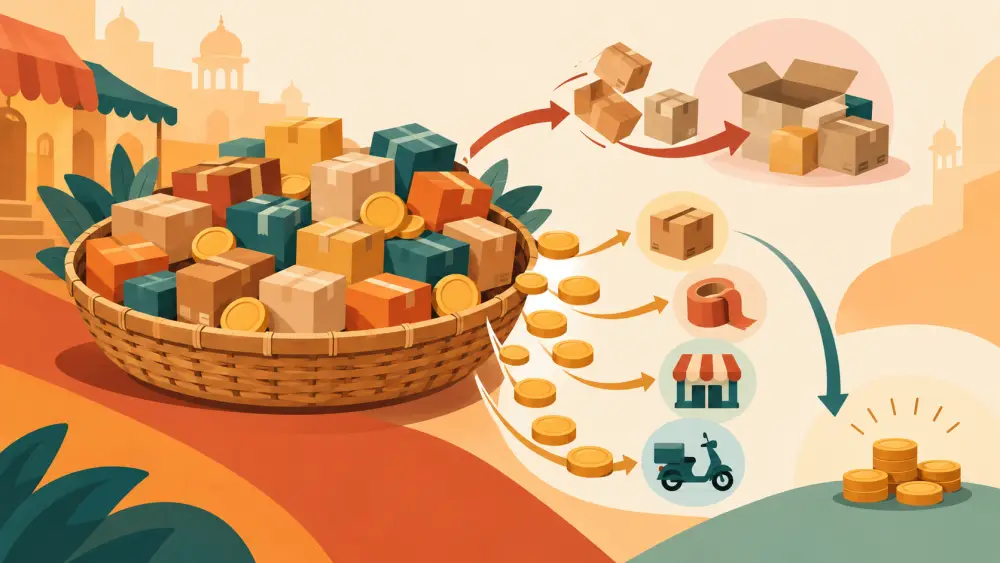
Read more →Contribution margin is what is left from one sale after every cost that came with that sale, and it tells you what each order truly adds toward your bills and profit.
Read more →COGS is the direct cost of making or buying what you sold, and working it out per item, as with a candle that costs Rs 120, shows whether your price really leaves profit.
Read more →COD means cash on delivery, where the customer pays when the parcel arrives; it builds buyer trust but brings the risk of refusal at the door.
Read more →A free shipping threshold waives delivery charges once a cart crosses a set value, and the right level depends on your average cart and your real shipping cost.
Read more →