7 October 2026
How do you plan Christmas stock for a small online store?
Use your own order history and your suppliers lead times to size stock for a gifting season, and commit extra cash only to the items you are most sure of.
Read more →Practical guides, independent brands, and the details that make a store yours.
Use your own order history and your suppliers lead times to size stock for a gifting season, and commit extra cash only to the items you are most sure of.
Read more →A reusable message structure with a delivery buffer and a last-order day you fill in yourself, plus short variants for WhatsApp, Instagram and your store.
Read more →Practical ways to group your products into Christmas gift sets by price band, recipient or use, with a simple margin test before you publish.
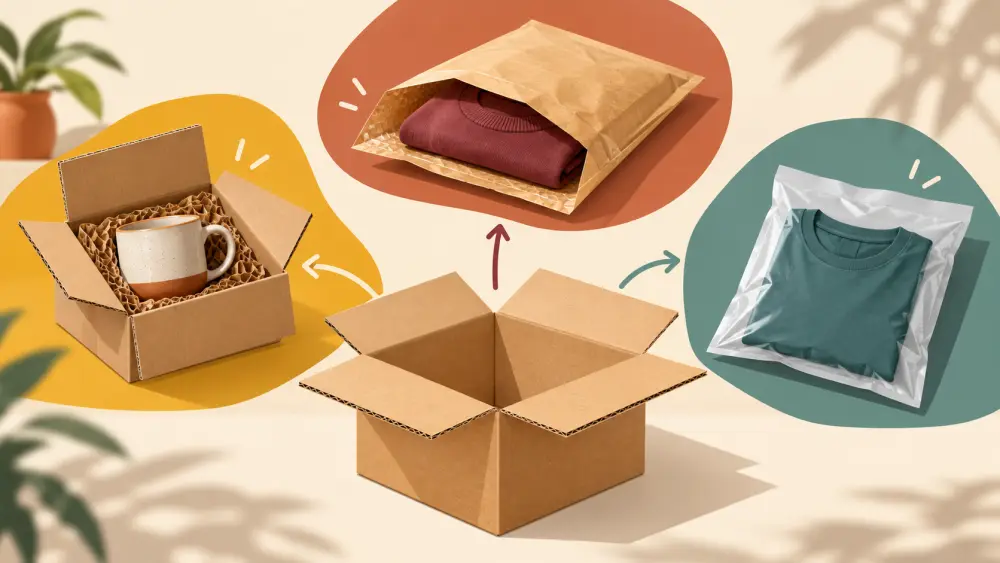
Read more →A plain comparison of boxes, padded mailers and polybags by product type, so you pick the lightest packaging that still protects what you sell.
Read more →Standardise on two or three box sizes so packing is faster, stock is simpler and parcels stay reasonably snug, with a method to group your products.
Read more →The Pickup Address field on the Shipping tab lets you pick from addresses already saved in your Shiprocket panel. Here is how it works and what to do when the list is empty.
Read more →A basic tripod plus a few pieces of tape on the floor lets you shoot every product from the same spot, at the same height.
Read more →The one rupee gap between Rs 499 and Rs 500 barely touches your margin, so the real decision is about how the price feels, not the maths.
Read more →The Hero Image upload on the Storefront tab, what shape it should be, where to place your subject and what shows when you clear it.
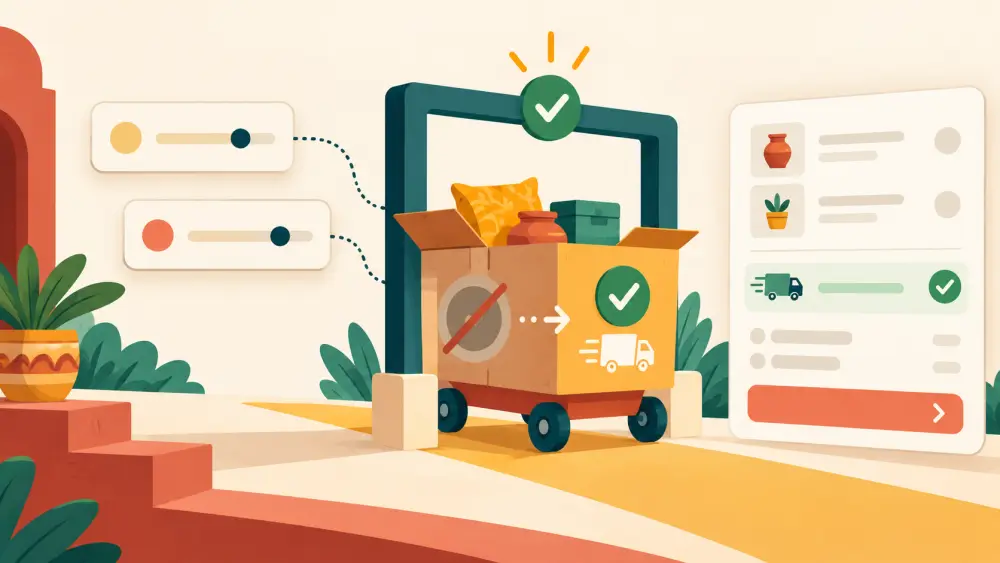
Read more →What the two shipping fields in Settings hold, how to enter them, and how to check what your shoppers actually see at checkout.
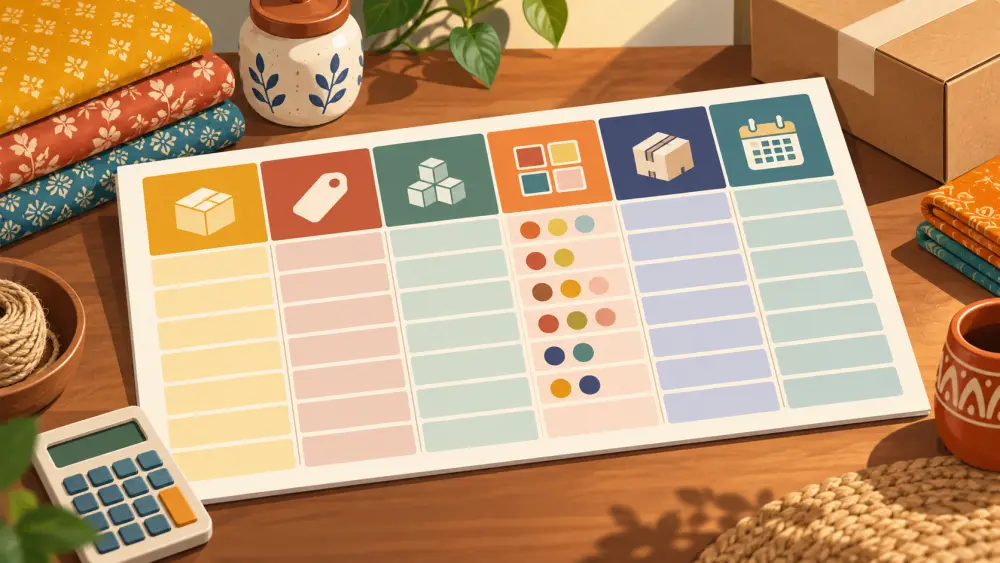
Read more →The columns worth keeping in your product planning sheet, and why each one earns its place.
Read more →The cash conversion cycle counts the days your money is tied up, and shortening it is often the cheapest way to free up cash.
Read more →When ad cost per new customer is higher than first-order profit, repeat orders have to close the gap, and a little arithmetic shows how many customers must come back.
Read more →A buy two get 10 percent off offer trims your profit on the pair but can raise basket size, and this worked example compares the margin with and without it.
Read more →Buy one get one free halves your price per unit, so unless your margin is above fifty percent the offer loses money, as this worked example shows.
Read more →Letting customers pay later can feel friendly but it moves risk and waiting onto you, so this looks at trust and cash flow before you change how you take money.
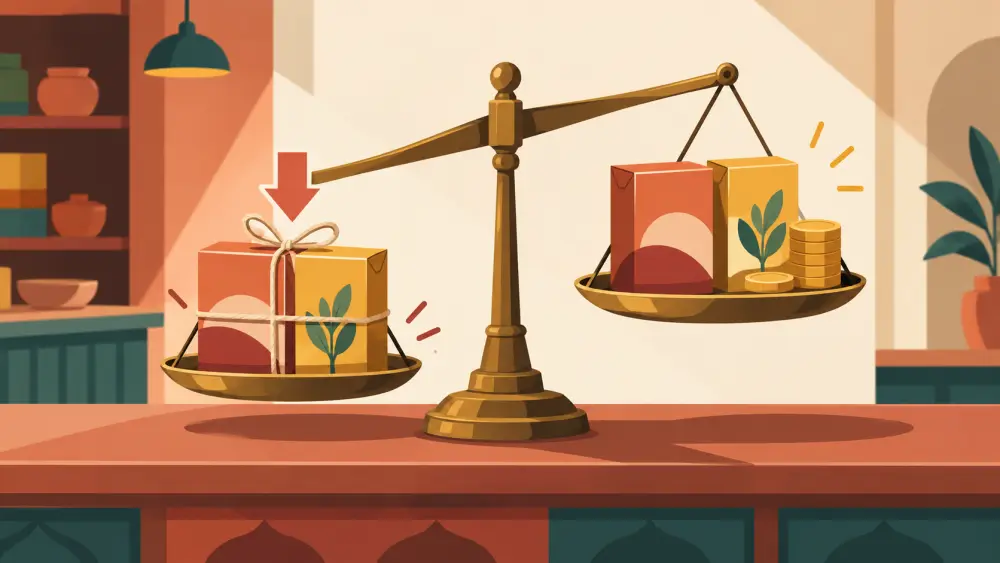
Read more →A bundle discount lowers both your profit and your margin on paper, so here is a clear comparison of one illustrative bundle against two separate sales.
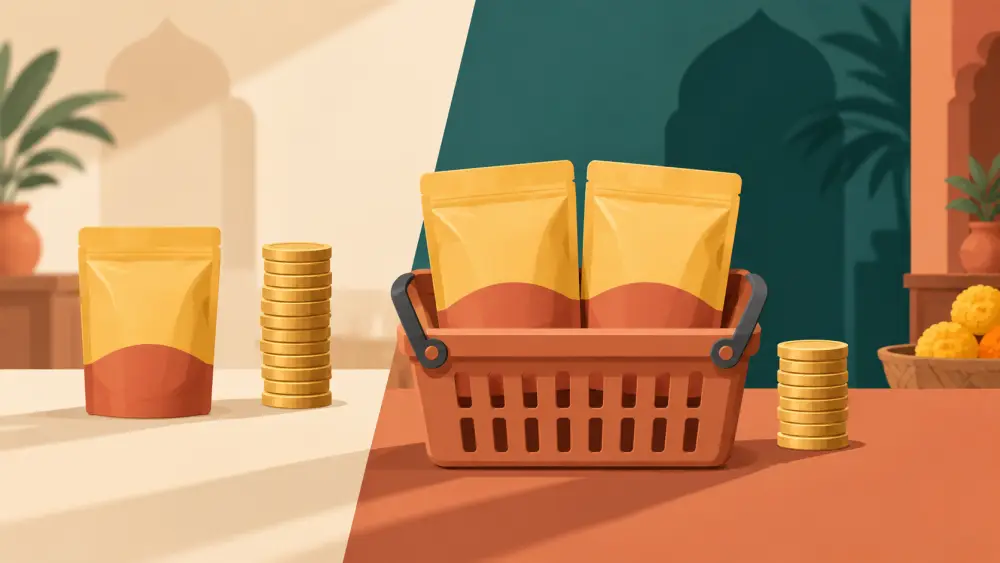
Read more →A bulk discount saves money on paper, but the extra stock locks up cash for months, so compare the saving with what that cash costs you.
Read more →Buying boxes in bulk looks like a bargain until you count how long the cash stays locked, so here is the maths for 500 boxes against ten small batches.
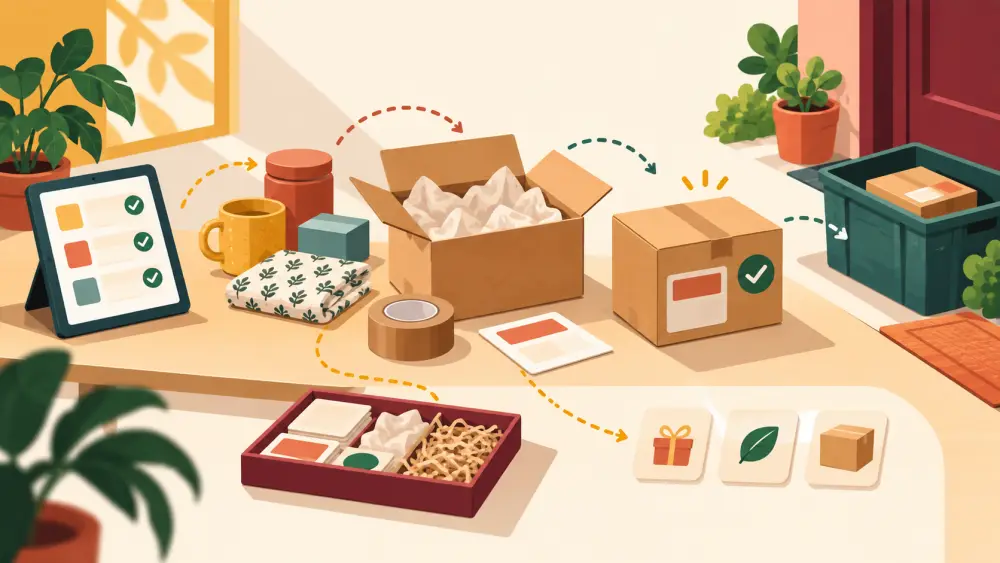
Read more →A fixed order of tasks, from checking new orders to the courier handover, keeps a one-person business from feeling chaotic. Here is a simple routine you can adapt to your own hours.
Read more →Relying on a single courier is fine until a festive rush or a missed pickup hits, so keep a second option set up and know when you would switch to it.
Read more →Divide your monthly fixed costs by the contribution each unit earns, and you get the number of units that takes you from loss to profit.
Read more →Compare the profit on a delivered order with the loss on a returned one to find the return-to-origin rate at which your COD orders stop paying.
Read more →Break-even ROAS is your price divided by the contribution you have before ads, and it tells you the lowest return that does not lose you money on advertising.
Read more →