7 October 2026
Part-time help or a hire, staffing your growing small brand
Part-time help flexes with your order flow while a regular hire brings reliability and training, so choose based on how steady your workload really is.
Read more →Practical guides, independent brands, and the details that make a store yours.
Part-time help flexes with your order flow while a regular hire brings reliability and training, so choose based on how steady your workload really is.
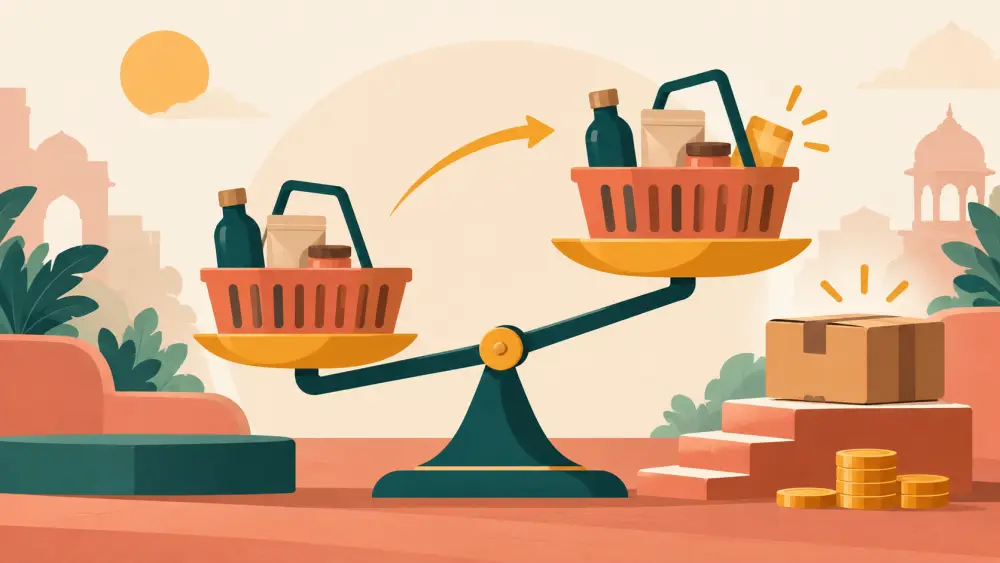
Read more →A threshold only changes behaviour if it sits in the right place against what customers already spend, and this example shows the profit effect of nudging an order upward.
Read more →Offering free shipping to every new customer is an investment, and a quick payback calculation tells you how many of them must come back for it to make sense.
Read more →A free gift often costs you less in rupees than a percentage discount of similar appeal, but the effect on margin percentage is not what most sellers expect.
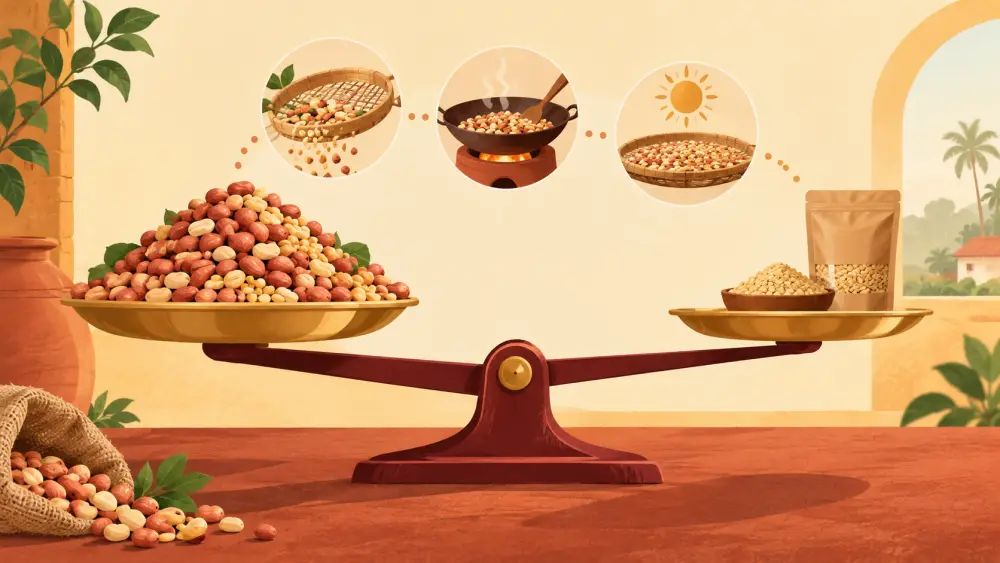
Read more →Cleaning, roasting and drying remove weight, so cost the finished kilo you sell, not the raw kilo you bought.
Read more →Folding shipping into the product price gives you the same profit as charging it separately, but the customer sees something very different, as this comparison shows.
Read more →A single flat shipping fee overcharges light parcels and undercharges heavy ones, and the balance depends entirely on the mix of orders you actually receive.
Read more →A flat fee is simple for you and clear to buyers while a weight-based fee tracks your real cost more closely, so test both against a few typical orders.
Read more →Undercharging shipping by a small amount per order adds up fast, and this example shows the monthly leak and how a Rs 60 compromise changes it.
Read more →A flat Rs 100 off hurts cheap products far more than the same offer on expensive ones, while a percentage scales with price, and this post compares both with numbers.
Read more →One price per product is easy to explain and easy to run, while tiers add complexity that only pays off in a few situations, so here is how to tell which you need.
Read more →What to do the moment you notice a wrong pincode, from pausing dispatch to confirming details with the customer, and what to try if the parcel is already booked.
Read more →To find the original price, divide the discounted price by one minus the discount rate, and do not simply add the percentage back, which gives a wrong answer.
Read more →When you buy the same item at two prices, FIFO and average cost give different profit figures, and a small example shows why.
Read more →A lead-time checklist for yoga wear sellers around new-year resolutions and wellness events, from stock and sizing to launch and cut-offs.
Read more →A lead-time checklist for wooden toy sellers around birthdays and school-term gifts, from making stock to gift packing and cut-off dates.
Read more →A working-backwards checklist for tote bag sellers, built around college events, shopping trips and gifting, without guessing dates or demand.
Read more →A lead-time checklist for terracotta sellers around festivals, housewarmings and garden decor, covering production, packing stock and dispatch limits.
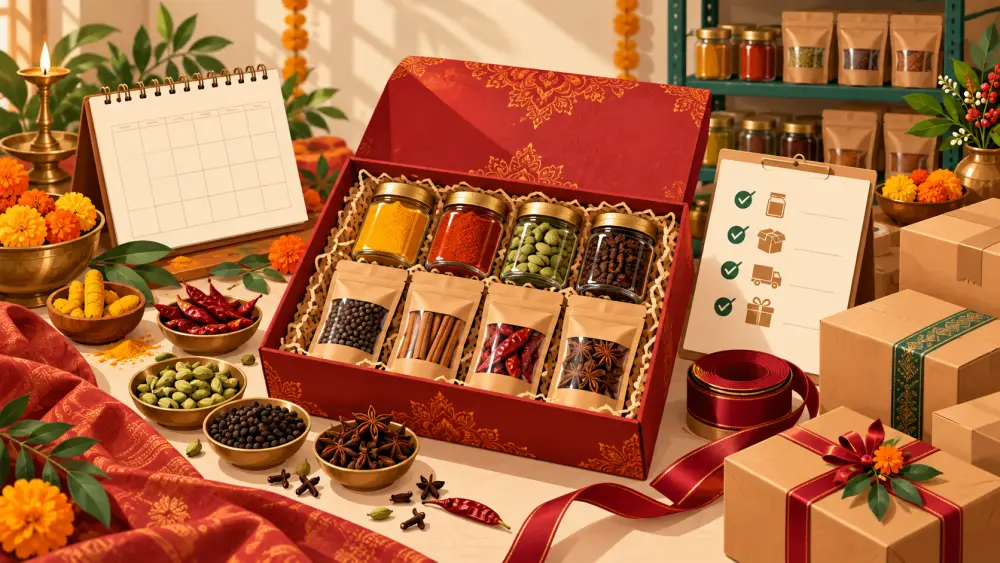
Read more →Family cooking seasons and gift boxes need lead time. A week-by-week checklist for spice sellers, with no guessed dates or demand numbers.
Read more →A lead-time checklist for school supplies sellers around the back-to-school rush, from sourcing and kit building to dispatch and cut-off dates.
Read more →Resin needs curing time you cannot rush. This lead-time checklist is built around wedding favours and gifting orders.
Read more →Fertiliser follows gardening seasons and balcony-gardening interest more than festivals. A lead-time checklist for getting stock, content and packing ready.
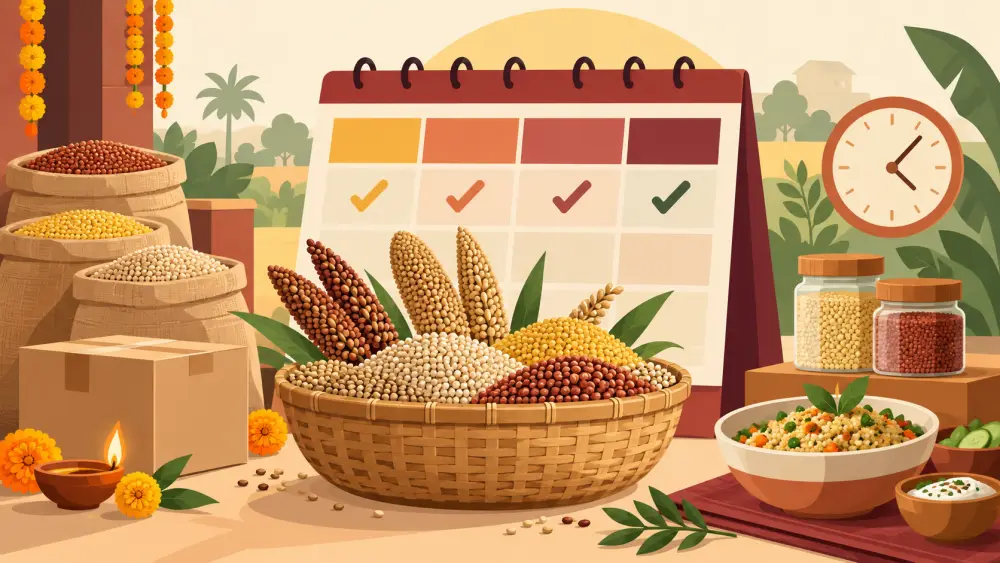
Read more →Millet demand often comes from households starting a new way of eating, not only from festivals. A lead-time checklist for planning around that.
Read more →Mehendi demand clusters around weddings and festive evenings, and the product is fresh-sensitive. Plan production, stock and delivery cut-offs backwards from each occasion.
Read more →