7 October 2026
How to shoot a simple 360 degree product spin with a phone
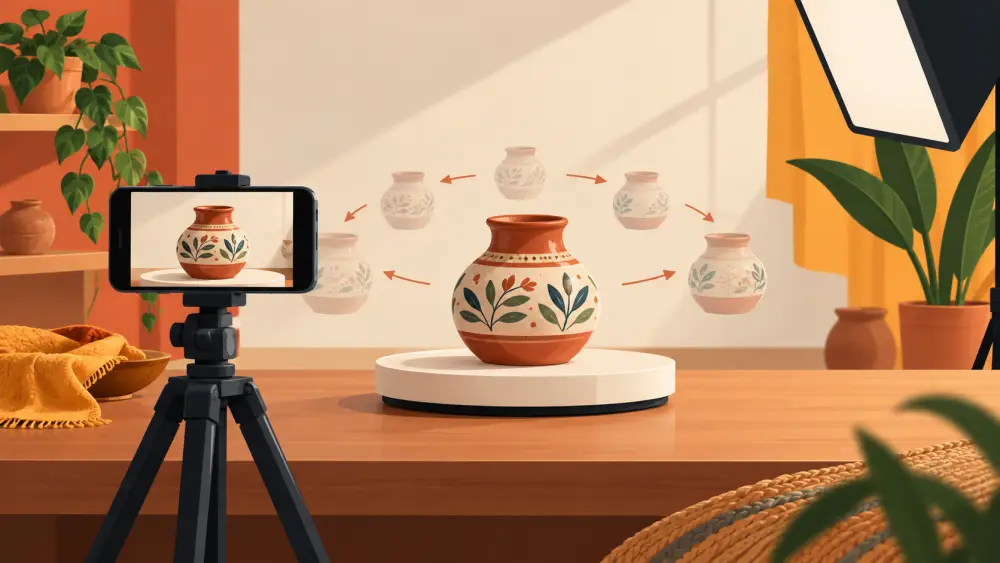
A turntable, fixed phone position and even rotation steps give you a set of angle photos or a short rotating clip of your product.
Read more →Practical guides, independent brands, and the details that make a store yours.
A turntable, fixed phone position and even rotation steps give you a set of angle photos or a short rotating clip of your product.
Read more →Direct flash creates glare and harsh shadows on most products. Here is why it goes wrong, and the few cases where it can still work.
Read more →When colour and size belong in the product title and when they belong in variants, with a simple rule for deciding.
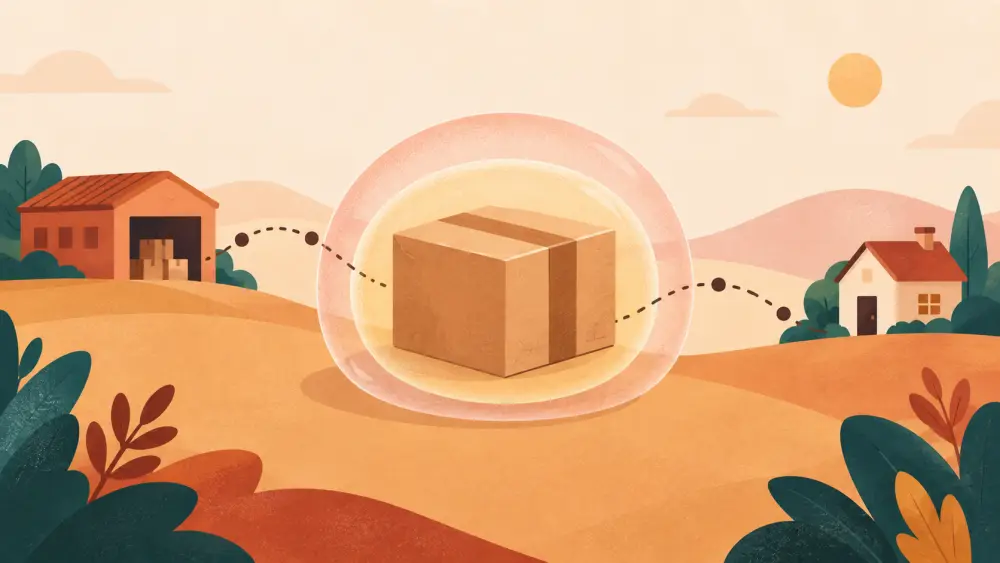
Read more →Shipping is often priced in weight slabs, so shaving a few grams off your packaging can drop an order into a cheaper slab, as this illustrative example shows.
Read more →A short, useful set of Highlights such as How to order, Delivery, Reviews and FAQs, and what to put inside each one.
Read more →Most delivery complaints start with a promise that was too tight. Here is how to build your estimate from dispatch time plus transit time, add a cushion and avoid over-precise claims.
Read more →A reorder point is the stock level at which you place your next supplier order, and you can set one from how long restocking takes and how fast you usually sell.
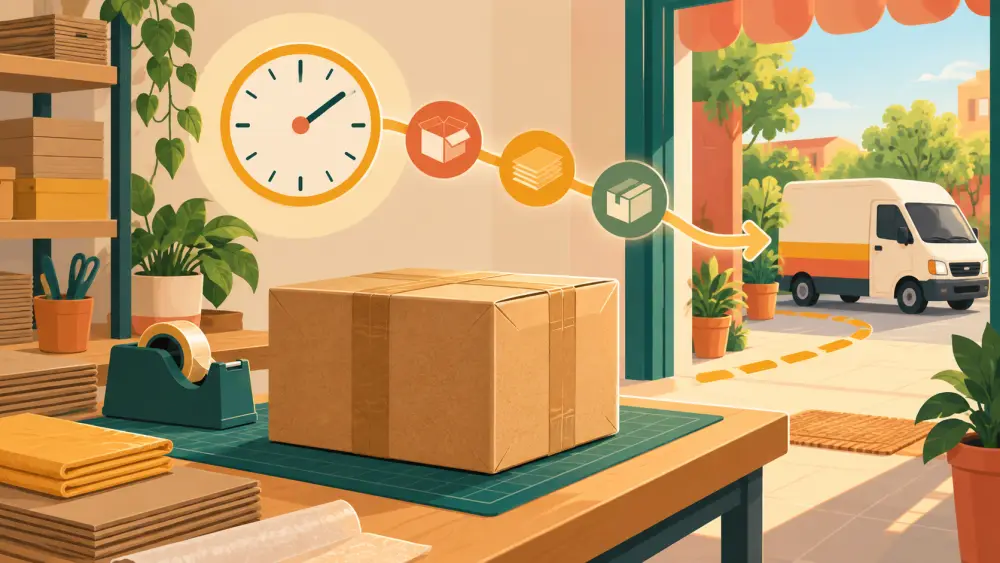
Read more →A cut-off time tells customers and yourself which orders go out today and which go tomorrow. Here is how to choose one that fits your day and how to announce it without overpromising.
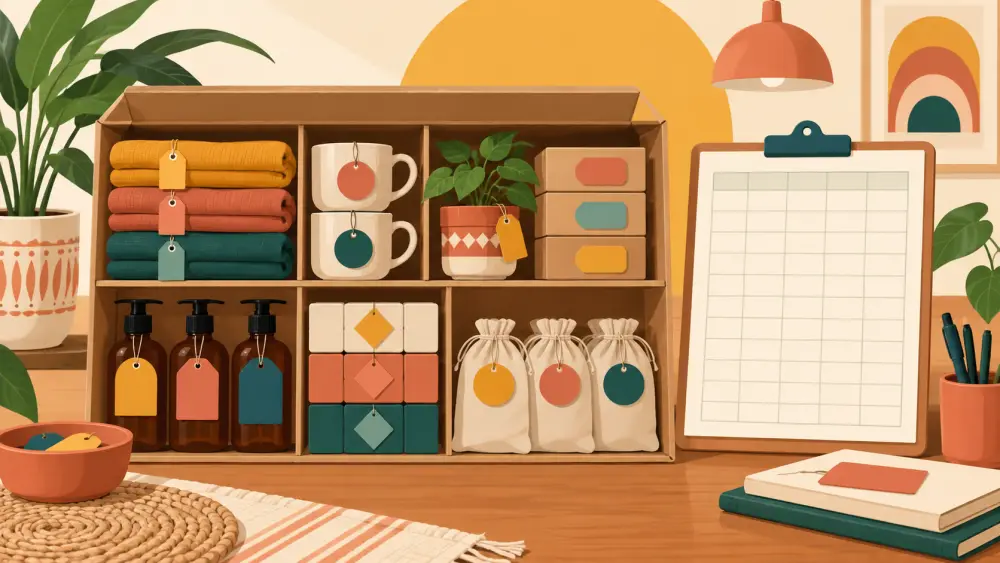
Read more →What a SKU is, why even a tiny store benefits from readable codes, and a simple scheme you can keep in a spreadsheet.
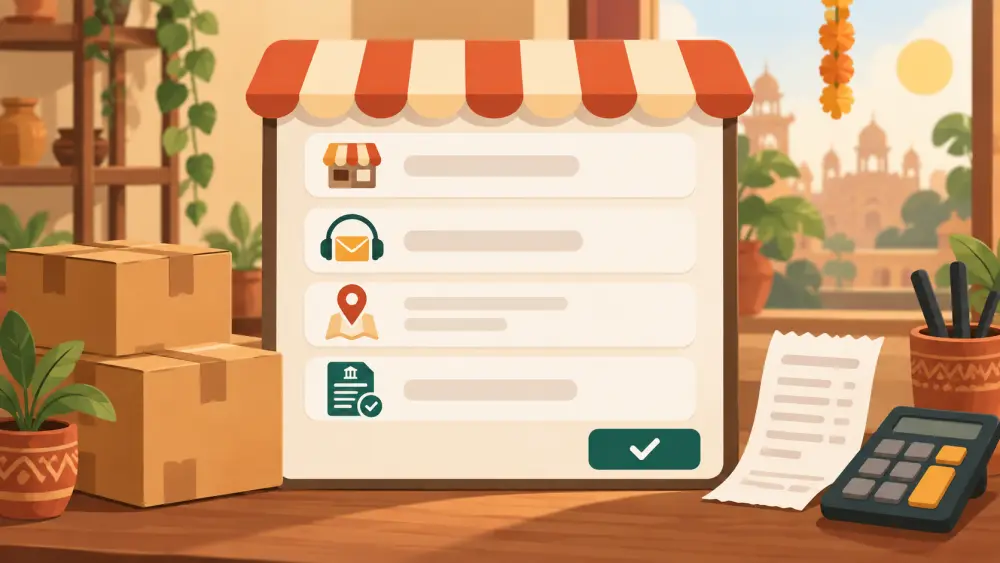
Read more →The Store details tab holds four fields. Here is what each one does, where it shows up, and what to check before you save.
Read more →Work backwards from your margin and your shipping cost and you can find the lowest free shipping threshold that still leaves you a profit.
Read more →Start with the three things a search engine and a shopper both read first, the page title, the description and a clear product name, and do them well on every page.
Read more →A ready-to-use confirmation message for cash on delivery orders, with a line-by-line explanation of why each part is there, so you can adapt it to your own voice.
Read more →A free address gets you started but a domain of your own is easier to remember, gives you matching email and stays with you if you ever change platforms.
Read more →Your own brand gives you control over identity and margin while a multi-brand shelf gives variety but makes trust and stock harder, so this compares the two honestly.
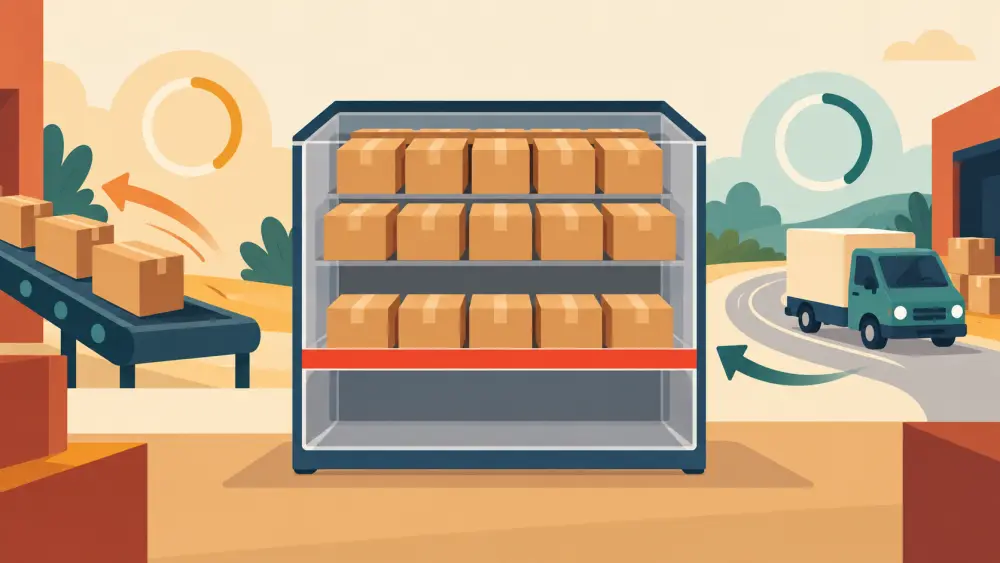
Read more →Small batches protect your cash but risk stockouts, while big orders can lower unit cost but lock money, so size inventory by what you can afford to be wrong about.
Read more →Local delivery is simpler and easier to fix when something goes wrong, while all-India delivery reaches more people but adds courier time and returns to manage.
Read more →Booking couriers yourself gives you control and direct relationships, while an aggregator gives you coverage and convenience, and the right mix depends on your volume and your time.
Read more →Hand-delivering and local runs suit small, nearby order counts, while an aggregator brings predictable booking and tracking once you ship around the country.
Read more →Evergreen items give you steady orders and festival items give you bursts, and the trick is keeping both without overbuying stock for a short window.
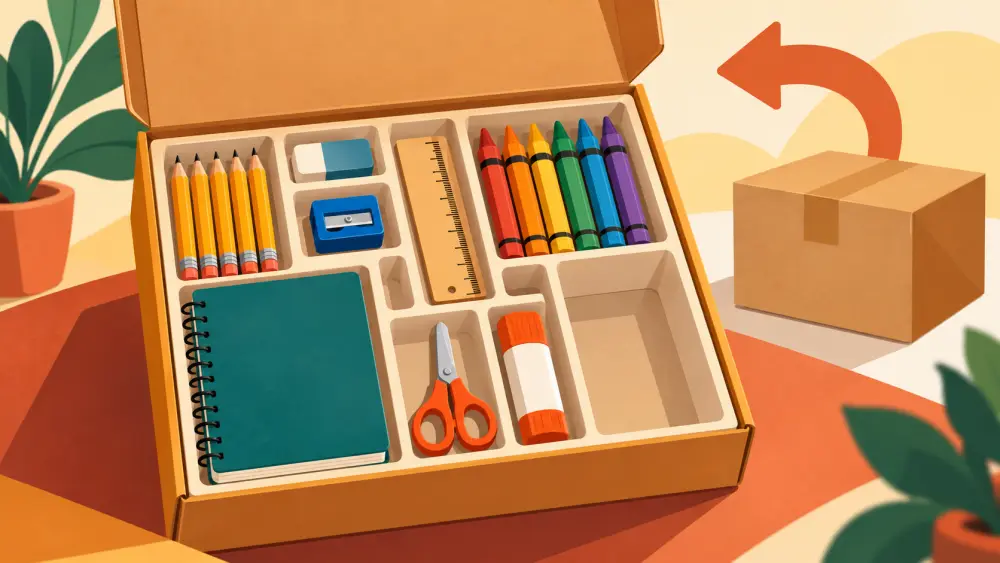
Read more →Missing items in a set cause most school supply disputes. Here is how to set expectations in the listing so fewer complaints reach you.
Read more →Use your enquiries and past orders to size back-to-school stock, buy deep only in the items parents repeat, and keep a reorder plan for the first rush.
Read more →Practical back-to-school bundles built around what parents already buy together, with a margin check using made-up numbers you can replace with your own.
Read more →Pickups only work when your packing is finished before the courier arrives, so here is how to build a daily rhythm that matches your pickup window instead of racing it.
Read more →