
What is COD? (and why it matters for your store)
COD means cash on delivery, where the customer pays when the parcel arrives; it builds buyer trust but brings the risk of refusal at the door.
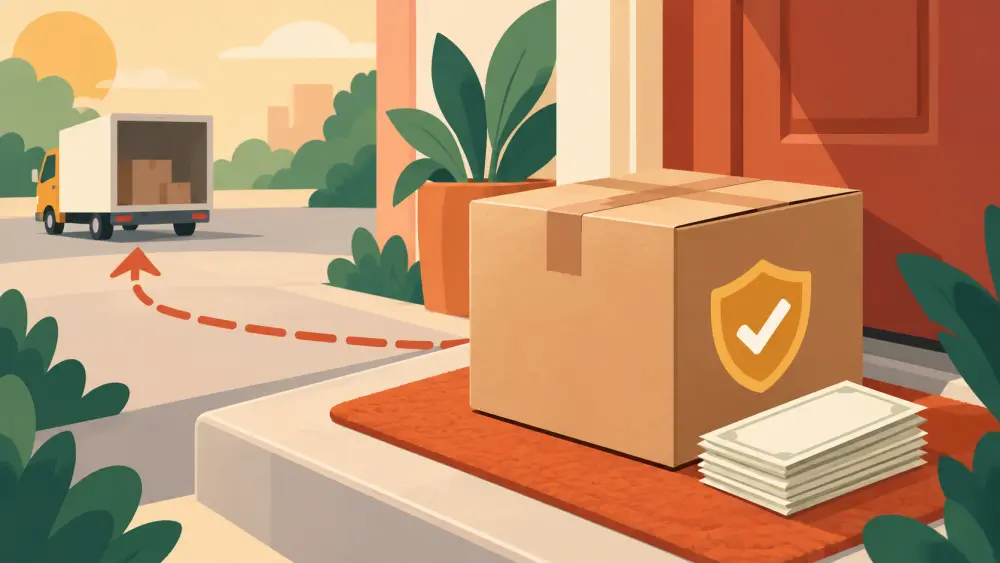
Cash on delivery, or COD, is one of the first things Indian shoppers look for when they visit a new store. If you are just starting, you will have to decide whether to offer it.
The meaning
COD means the customer pays for the order in cash, or sometimes by UPI scan, when the courier delivers it to their door. They do not pay anything at checkout. The courier collects the money and later passes it to you, usually after a delay and after deducting any fees the courier charges.
Compare this with a prepaid order, where payment is made online before the parcel is shipped. What is a prepaid order explains that side.
Why customers like it
Many people are cautious about paying a store they have never heard of. If the parcel does not arrive or is not what they expected, their money is gone. With COD, they see the product first and pay later. For a new small brand, that removes a big barrier. Some buyers also simply do not use cards or online payments.
So offering COD can help a first-time store win trust and orders it might otherwise miss.
The risks for you
COD has costs that prepaid does not.
- Refusal at the door. The customer may refuse to take the parcel or may not be available. You then pay shipping both ways and the stock returns to you. That is an RTO. What is RTO explains the loss.
- Delayed cash. You do not get the money the day the parcel is delivered. What COD remittance means for your cash flow covers the wait.
- Fees. Couriers may charge extra for handling cash. Check your own courier's terms, as they differ.
- More work. You need to confirm orders and chase doubtful ones.
A balanced approach
Many sellers keep COD but manage it carefully:
- Call or message before shipping to confirm the customer wants the order. See confirming COD orders before you ship.
- Verify the address.
- Offer a small incentive for paying online instead, such as a free gift, if the maths works.
- Ask for a small advance on expensive or risky orders.
- Be clear about it in your policies so customers know a refusal is not free for you.
Varchas stores support both UPI and COD payments; see UPI and COD payments for your own store for the details.
Should you offer it?
Think about your product and your customers. A low-priced item sent to a town where people mainly pay cash may need COD to sell at all. A high-priced, custom-made item might do better with prepaid or an advance, because a refusal would be costly. You can also start with COD, track how many orders are refused, and adjust. If your own refusals are high, tighten your checks before dropping it.
Do the arithmetic before deciding. Break-even RTO rate for COD shows how to find the point at which COD stops being worth it for your margins.
COD is a tool. It is neither good nor bad. Used with confirmation calls and clear rules, it opens your store to people who would not otherwise buy. Used carelessly, it fills your shelf with returned parcels.