
Returns and complaints when selling yoga wear online and how to reduce them
Size and fit mismatch drives most yoga wear returns. Here is how to set expectations in the listing so fewer disputes reach you.
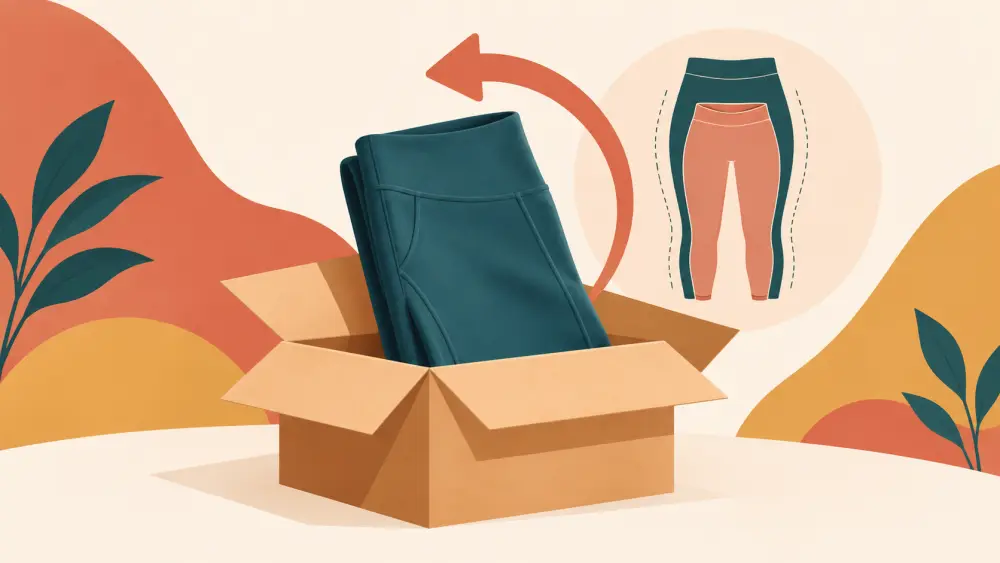
For a small yoga wear brand, the same complaint arrives again and again: "it doesn't fit". It might be too tight at the waist, too short in the leg, or not stretchy enough. A returned garment is expensive for a small seller, since you pay shipping twice and often cannot resell it. The fix is mostly information. When the listing helps a buyer choose the right size, fewer parcels come back.
Why fit goes wrong
Buyers often do not know their own measurements, or they assume your "M" matches the "M" of another brand. Stretch fabrics add another layer: a buyer may not know how much stretch to expect. And photographs of a model can mislead if the buyer does not know the model's size. Each of these is solvable in the listing.
Give measurements, not just letters
Publish a size chart with garment measurements and body measurements in centimetres. Show where to measure: waist, hip, inseam. Tell the buyer which one to match, and what to do when she is between sizes. A line such as "if you are between sizes, choose the larger for a relaxed fit or the smaller for a snug fit" helps, provided it is true for your fabric. Our guide to handling sizes and product variants will help you set this up.
Tell buyers who the model is
State the model's height and the size she is wearing. If you use several models, do it for each. A buyer can then compare herself to someone real. Photographing yoga wear shows how to capture stretch and fit in poses.
Describe the stretch and fabric honestly
Say how the fabric feels: soft, firm, light, thick. Say if there is any sheerness in deep stretches. Do not claim performance qualities you cannot verify. Words like "squat-proof" can backfire if a buyer disagrees. Our posts on describing material honestly and avoiding exaggerated claims are worth reading before you write.
Be upfront about colour
Dark colours look different on different screens. State that the shade may vary slightly and show the garment in daylight. A buyer who expected navy and got near-black may call that a defect. See describing colour accurately.
State your return and exchange policy clearly
Decide what you offer and write it in plain words:
- Whether you accept exchanges for size.
- The time window to request one.
- The condition the garment must be in: unwashed, tags attached, hygiene seal intact if you use one.
- Who pays shipping for an exchange.
Many sellers choose exchange over refund for fit issues, which protects revenue and helps the customer find the right size. Do not copy legal text from another website; if you need to know what consumer law requires of you, ask a professional.
Pack to prevent complaints
A stained or damp parcel causes returns that have nothing to do with fit. Packing yoga wear gives you a clean routine.
Use the data you have
Note every return and its reason. If one legging size keeps coming back, check your size chart, measure a sample and adjust. If one style keeps getting "too sheer" comments, say so in the listing or change the fabric. See returns and RTO for how returns affect a small brand's finances.
Checklist before publishing
- Garment measurements in centimetres.
- Model height and size stated.
- Fabric and sheerness described honestly.
- Colour variation noted.
- Exchange policy visible.
Good information is cheaper than reverse shipping, and kinder to your customer too.