
How to describe fabric and material honestly in a product listing
Use precise material words, avoid vague terms, and say what you actually know about the fabric, finish or ingredients.
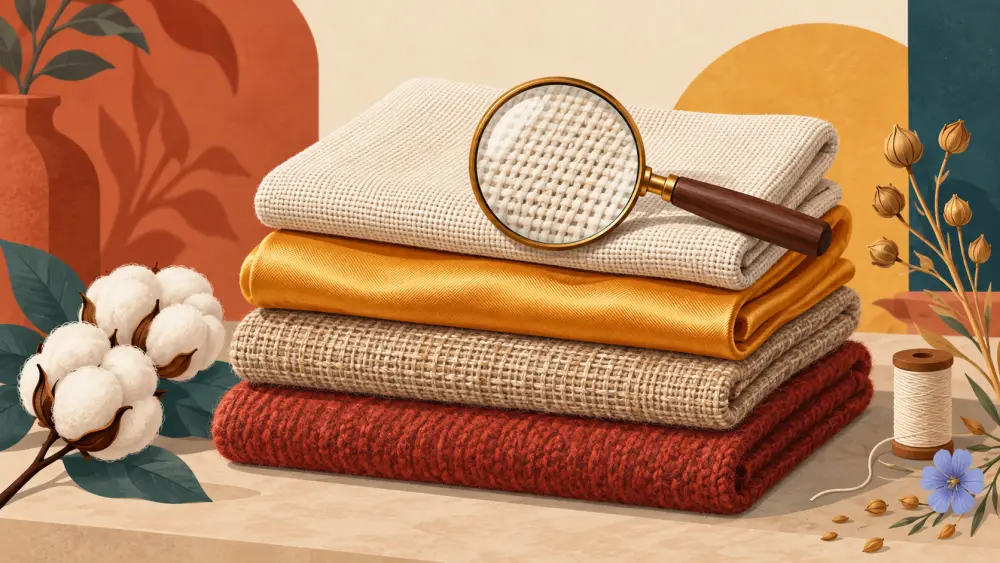
Material is the detail that decides whether a customer feels they got what they paid for. It is also where small sellers get into trouble, because suppliers use loose words and it is tempting to repeat them. Being precise protects you from complaints and returns, and it builds the kind of trust a small brand depends on.
Say what you know, and only that
Start with the question: what exactly is this made of? If you bought finished goods from a supplier, ask them for the composition in plain terms. If you make the item yourself, you know. Write that down, not the nicest-sounding word.
Avoid vague words
Some terms sound reassuring but explain nothing:
- "Premium fabric"
- "Soft material"
- "High quality metal"
- "Natural ingredients"
Each of these could mean almost anything. Replace them with a specific fact: "cotton", "brass with an antique finish", "soy wax and cotton wick". If you are not sure of the exact material, find out before you list it.
Use the right names
Different materials get confused all the time. A few things to be careful about:
- "Silk" and "art silk" are not the same thing. If the fabric is a blend, say so.
- "Leather" and "faux leather" are different products; name the one you sell.
- "Gold plated" and "gold" are very different. State the base metal and the finish.
- "Sterling silver" is a specific term; do not use it unless you can back it up.
I am not setting out any fabric-labelling rule here. Requirements vary by product and change over time, so check with a professional or the relevant official source for what applies to what you sell.
Mention blends and percentages if you know them
If a garment is a cotton and polyester blend and you know the proportion, give it. If you do not know the exact proportion, do not invent one. "Cotton blend" is better than a made-up number, though a real number is better still.
Describe how it feels and behaves, truthfully
Feel and behaviour help the shopper imagine the product: "lightweight, slightly textured", "stiff at first, softens with use". Only write what you have personally seen. If you have not washed a fabric many times, do not promise it will not shrink.
Be upfront about natural variation
Handmade and natural materials vary. Wood grain, hand dyed colour, and stone patterns all differ piece to piece. Saying so is not a weakness; it sets honest expectations, which also helps keep returns down, as explored in returns and RTO: the numbers nobody tells you.
Where to write it
In the Varchas product editor, the description field is where fabric, fit and care belong; the field itself prompts for exactly those. Put the material near the top, in a bullet if you can, so it is found quickly. See how to structure a product description for mobile for placement.
When in doubt, ask one question: would I be comfortable if the customer read this next to the product in their hands? If yes, you are describing it honestly.