
What is a prepaid order? (and why it matters for your store)
A prepaid order is paid for online before dispatch, so your cash arrives earlier and refusal at the door is far less likely, though not impossible.
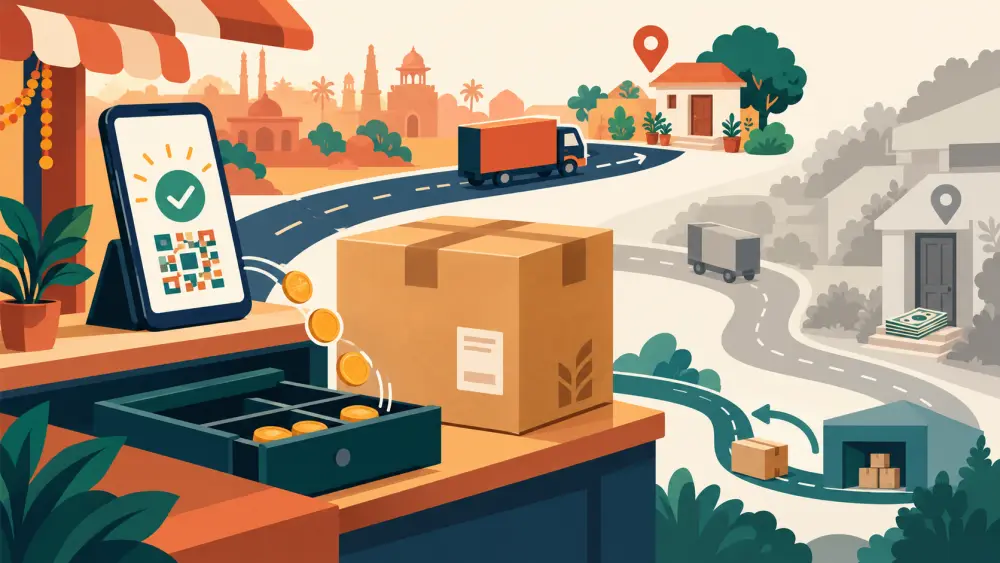
When a customer completes checkout and pays right then, usually by UPI, card or net banking, that order is prepaid. The term sounds basic, but it shapes your cash, your risk and the way you design your checkout.
The meaning
A prepaid order is one where the customer pays before the parcel is shipped. The opposite is cash on delivery, where payment happens at the door. If you want that side explained, see what is COD for online sellers.
Picture a customer buying a Rs 600 tote bag. At checkout they choose UPI, approve the payment in their app, and the order is confirmed. The money is already paid for that order before you pack it. You pack, ship and share tracking. There is no cash to be collected by the courier.
What changes for you
Cash arrives earlier. With COD, you wait for the courier to collect and remit the money, often days after delivery. With a prepaid order, the payment goes through a payment gateway and reaches you on that provider's own settlement schedule. Varchas uses Cashfree for online payments, and the timing of your payouts depends on its terms and your account, so check there rather than assuming a number of days.
Less refusal risk. A customer who has paid is more committed. They are less likely to refuse the parcel, though it can still happen: they may change their mind, the address may be wrong, or they may not be available. So prepaid reduces the risk, it does not remove it. Do not assume prepaid orders never return.
Fewer fee surprises. COD often brings extra handling charges from couriers. Prepaid orders avoid those, though payment gateways charge their own fees, so look at your agreement.
Simpler confirmation. You often still want to double-check the address, but you spend less time calling to persuade someone to accept the parcel.
What the customer experiences
Some customers prefer prepaid because it is quick and there is no cash to find at the door. Others worry about paying a store they do not know. Your job is to build trust so the choice feels safe:
- Clear photos, honest descriptions and a visible return policy.
- Reviews or photos from earlier buyers.
- A clear contact number or WhatsApp.
- Order confirmation messages and tracking. See order tracking your customers can trust.
Nudging toward prepaid
If prepaid is better for you, you can gently encourage it:
- Explain the benefit honestly, such as faster dispatch.
- Offer a small perk for paying online, only after checking the maths with COD vs prepaid order cost difference.
- Keep COD available if your customers need it, because removing it may lose sales.
COD vs prepaid: how to guide customers has wording you can use.
When a prepaid order needs a refund
If a prepaid order is cancelled or returned, you refund through the same system. Customers expect that to be clear in your policy. Processing a full refund via Cashfree shows the steps.
Keep one thing in mind: faster cash and lower refusal are advantages, not guarantees. Track your own numbers, compare prepaid and COD in your monthly review, and adjust your checkout to what your customers actually do.