
Tracking statuses explained in plain language for customers
Courier tracking pages use terms that confuse most buyers. Here are simple, friendly lines you can use to translate common stages, with a reminder that wording differs from courier to courier.
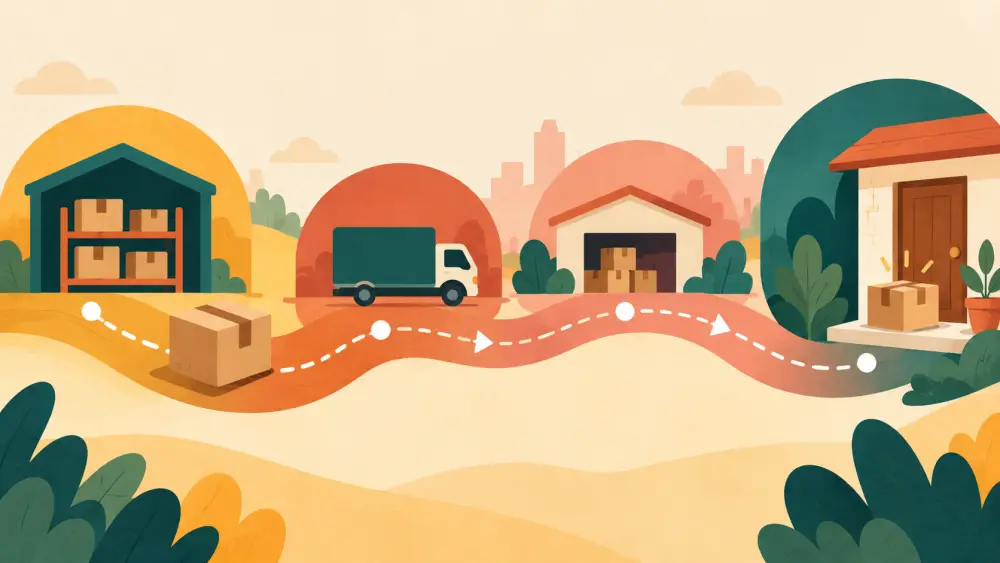
Tracking pages are written by logistics people for logistics people. A customer who sees "in scan" or "pending pickup" may read it as bad news. If you keep a few plain-language explanations ready, you can turn confusion into calm.
One important point first. Status names are not the same everywhere. Different couriers and tools use their own words, and the same word can mean slightly different things in different systems. Use the lines below as friendly starting points and adjust them to what you actually see on your parcels.
Order created or label generated
What it often means: your shipment has been registered, but the courier has not necessarily taken it yet.
Plain line: "We have prepared your parcel and booked it with the courier. It has not left us yet, and I will message you when it does."
Pickup scheduled or awaiting pickup
What it often means: the courier is expected to collect the parcel from you.
Plain line: "The courier is due to collect your parcel from us. Once they do, the tracking will start to show movement."
Picked up or shipped
What it often means: the parcel is now with the courier.
Plain line: "Your parcel is with the courier and has started its journey."
In transit
What it often means: the parcel is moving between locations.
Plain line: "Your parcel is on its way and travelling between the courier's centres. It may not show an update every day, which is normal."
Reached the delivery city or local hub
What it often means: the parcel is close to the final destination.
Plain line: "Your parcel has reached the city or area it will be delivered in. It should be assigned to a delivery person soon."
Out for delivery
What it often means: a delivery person has the parcel and is trying to reach the address.
Plain line: "Your parcel is out for delivery and may reach you today. Please keep your phone with you in case the delivery person calls."
Delivery attempted or undelivered
What it often means: the delivery person came but could not hand over the parcel, for example because nobody was available or the address was unclear.
Plain line: "The courier tried to deliver but could not complete it. Please tell me if there is a better time or a landmark to share, and I will pass it on."
Do not blame the customer in this message. There may be several reasons.
Delivered
What it often means: the courier marked the parcel as delivered.
Plain line: "Tracking shows your parcel as delivered. If you do not have it, please tell me right away and I will look into it with the courier."
Return to origin or returning
What it often means: the parcel is on its way back to you.
Plain line: "The parcel is being sent back to us. I will contact you to see how you would like to proceed."
How to use these
Save the lines as saved replies, and adapt the wording to the courier pages you actually see. Do not promise that a status will change within a set time, and do not claim to know what the courier is doing beyond what the page shows.
If a status seems stuck, read Why tracking looks stuck and what to tell customers. For the bigger picture of keeping your updates trustworthy, see Order tracking your customers can trust.