23 September 2026
How to start selling candles online in India
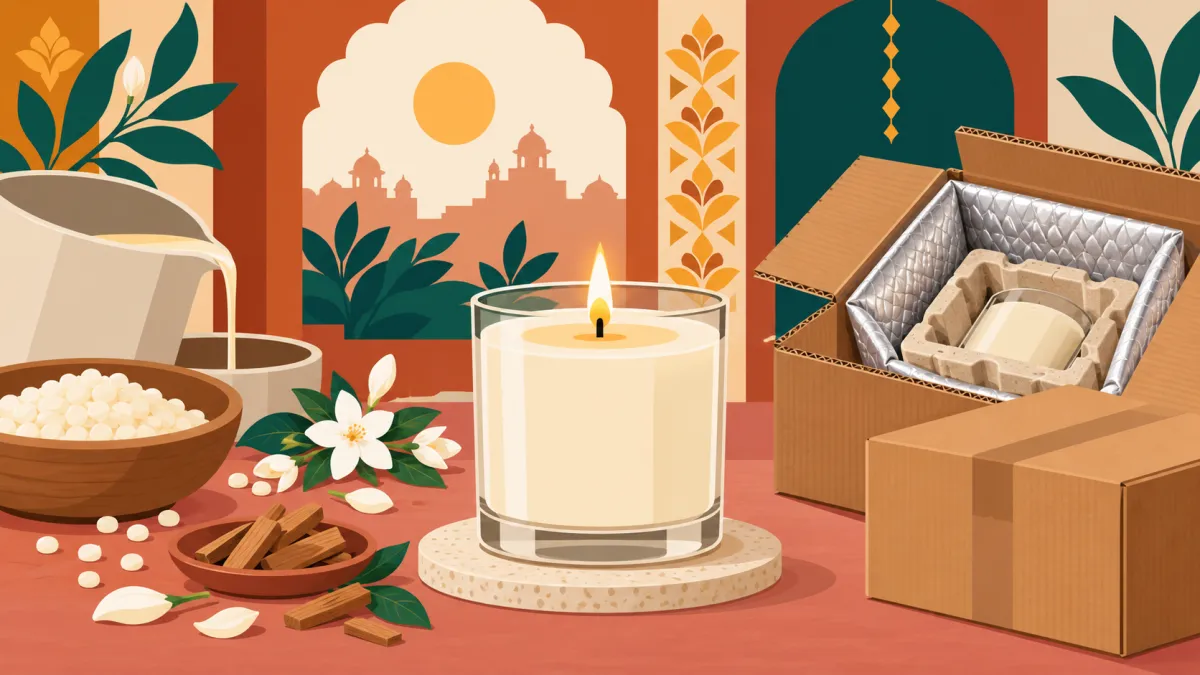
How to choose your wax and scent line, test burn quality, and pack candles so they survive heat and transit without melting or cracking.
Read more →Practical guides, independent brands, and the details that make a store yours.
How to choose your wax and scent line, test burn quality, and pack candles so they survive heat and transit without melting or cracking.
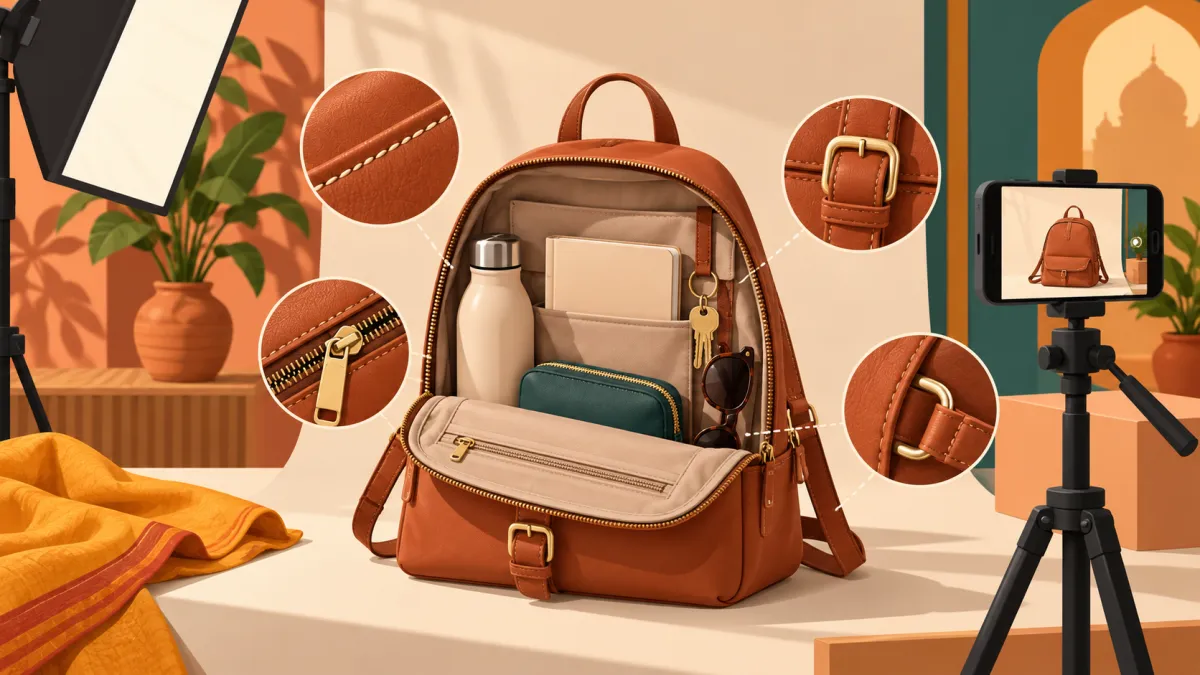
Read more →How to choose a bag category, check stitching and hardware quality, and photograph capacity and compartments so buyers know what fits.
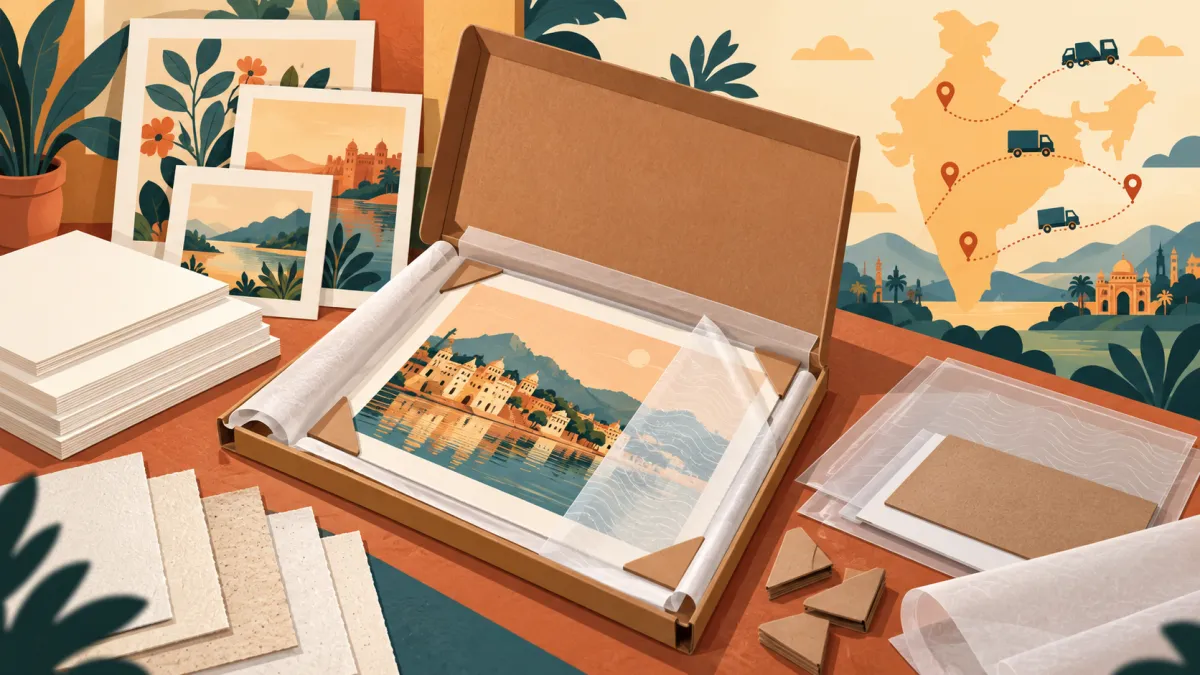
Read more →How to choose print sizes and paper, protect your artwork from copying, and ship prints flat and undamaged across India.
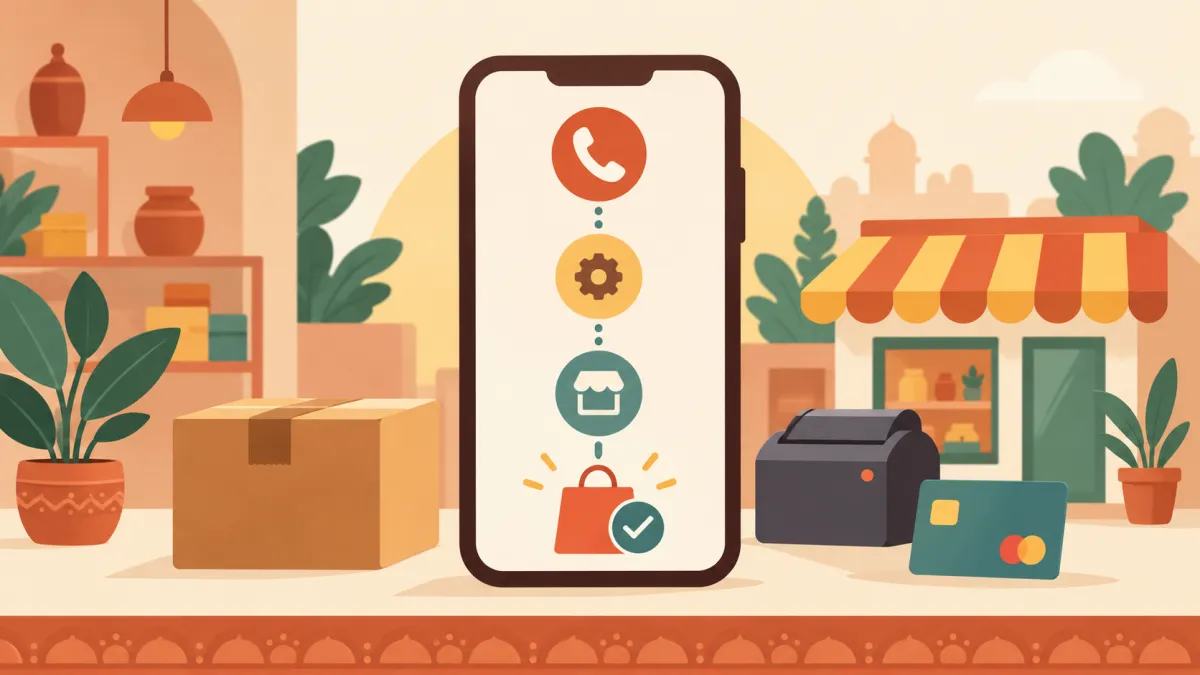
Read more →What actually happens between the first conversation with Varchas and your store taking its first real order.
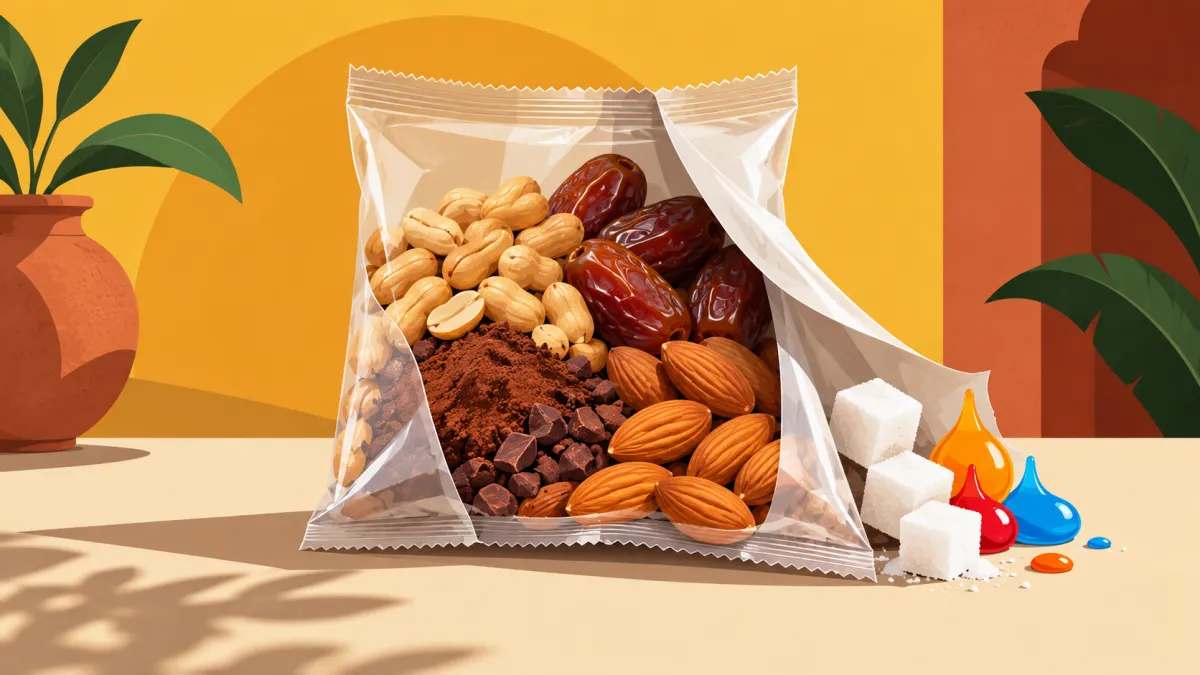
Read more →The Whole Truth Foods was built on refusing to hide added sugar and additives behind vague "healthy" labels common on Indian packaged food.
Read more →The Souled Store began by selling officially licensed pop-culture merchandise to Indian fans who had almost nowhere legitimate to buy it.
Read more →SUGAR Cosmetics was built for Indian skin tones and climates, at a time when most makeup shelves in India were stocked for someone else.
Read more →Sleepy Owl started with cold brew coffee bags mailed straight to customers, at a time when good coffee at home was hard to find in India.
Read more →The reasoning behind setup being a shared process rather than a self-serve dashboard you configure alone.
Read more →Plum was built around cruelty-free, ingredient-transparent skincare, at a time when few Indian brands were willing to explain what was inside the bottle.
Read more →Pepperfry set out to make buying furniture online possible in India, tackling a category most people assumed had to be seen and touched first.
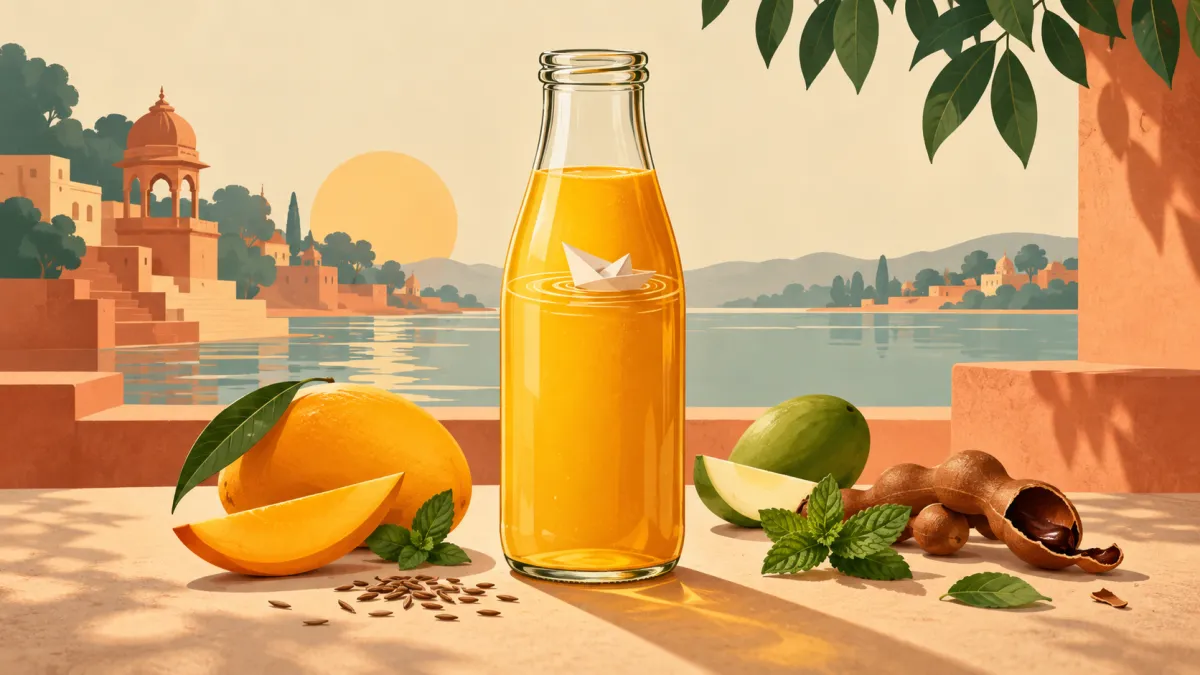
Read more →Paper Boat set out to bottle the traditional Indian drinks people grew up with, at a time when packaged beverages meant only soda or juice.
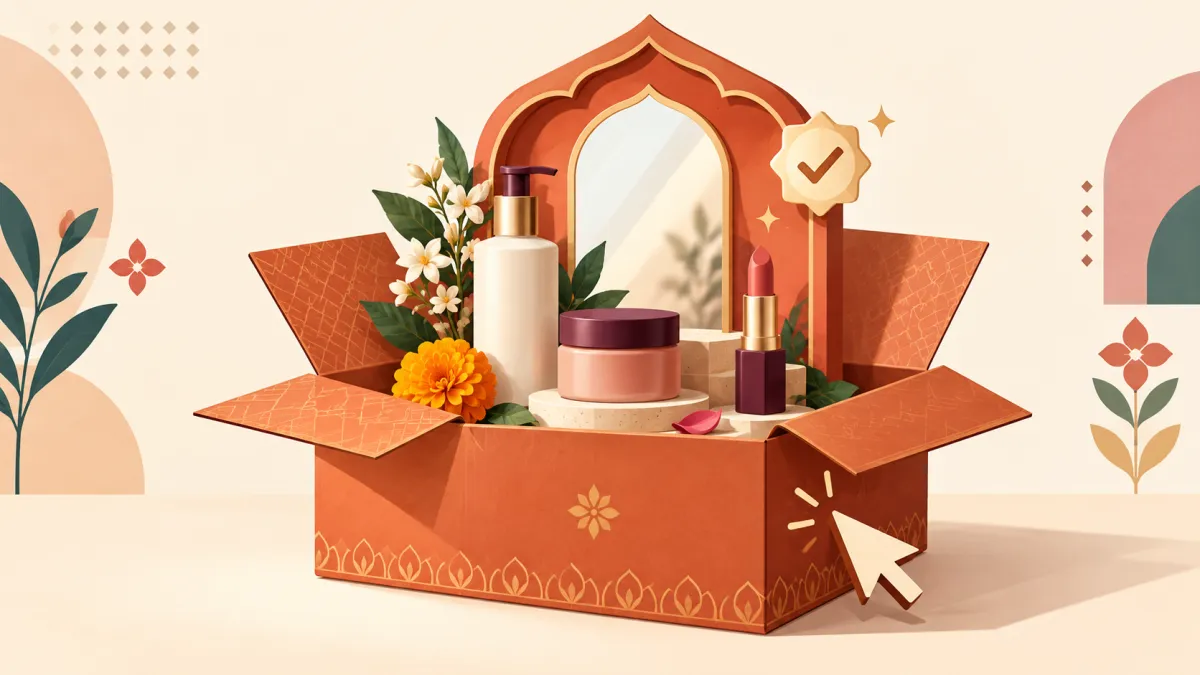
Read more →Nykaa began as a beauty e-commerce site built on the idea that Indian shoppers needed authentic products and honest advice, not just discounts.
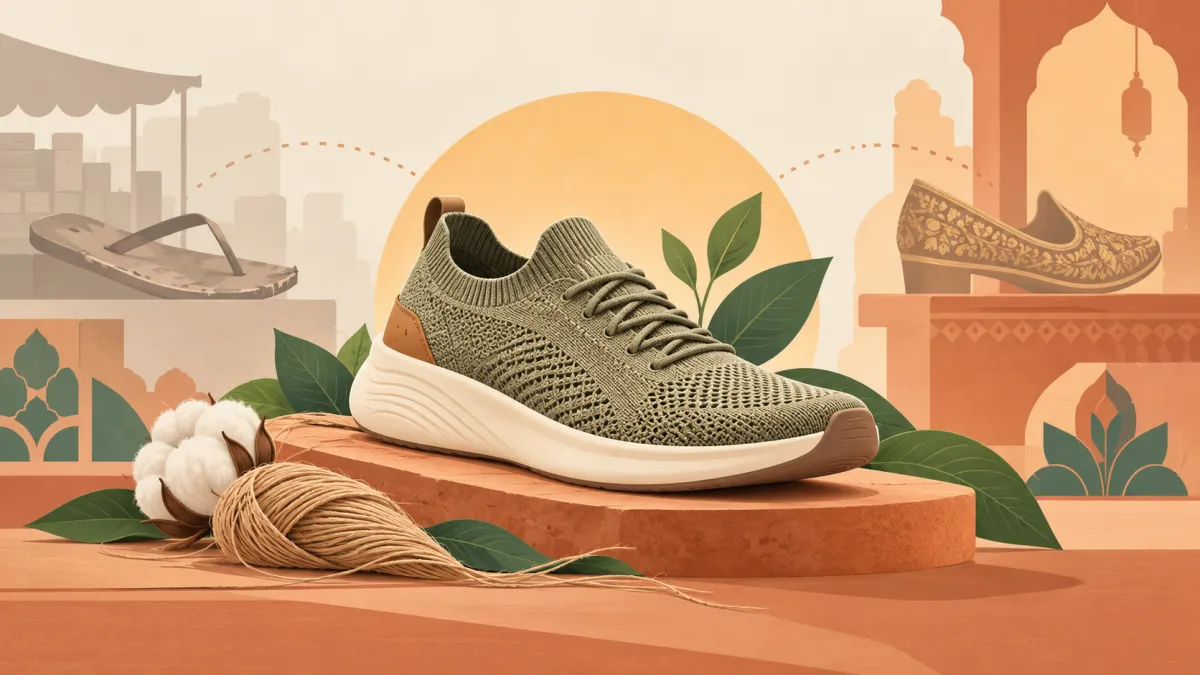
Read more →Neeman's built comfortable, sustainably made everyday shoes for Indian buyers who had limited good options between cheap and premium footwear.
Read more →Minimalist was built on the idea that skincare should be judged by active ingredients and their concentrations, not by marketing stories.
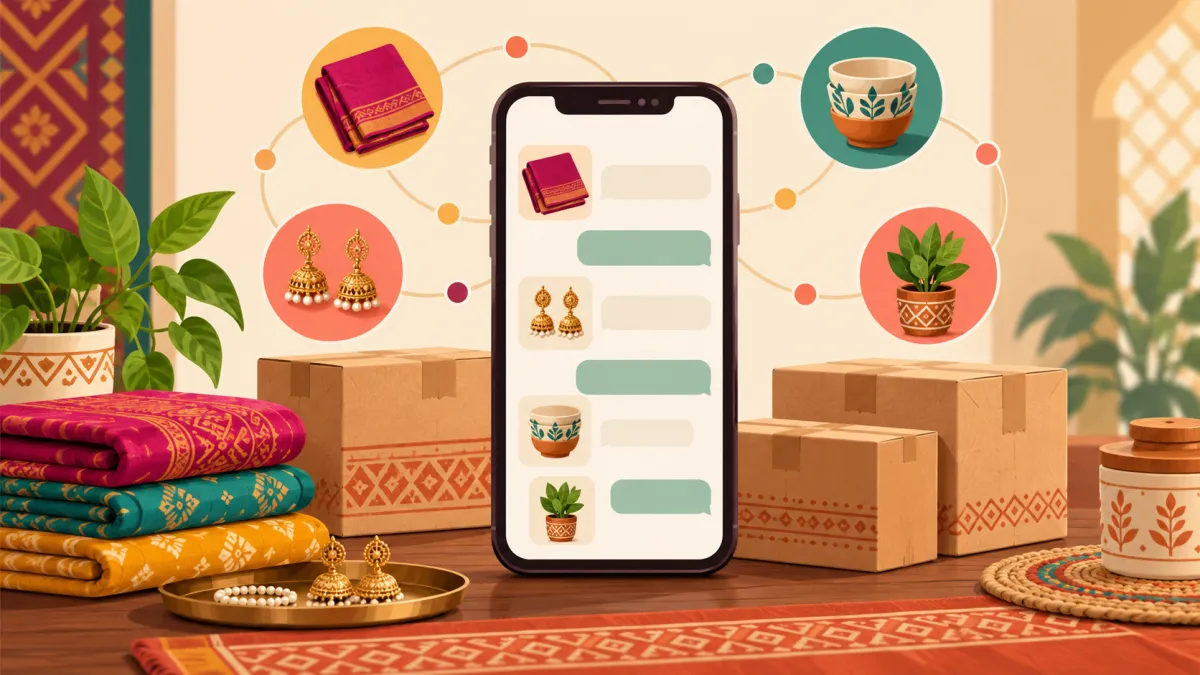
Read more →Meesho started by helping small resellers, many of them homemakers, sell products to their social circles using nothing more than WhatsApp.
Read more →mCaffeine built its personal care line around caffeine as the active ingredient, aimed squarely at young, digitally native Indian buyers.
Read more →Mamaearth was born out of a new parent's search for baby products without harmful chemicals, and the trouble finding good options in India.
Read more →Licious set out to make buying meat and seafood in India as clean, reliable, and hygienic as any other everyday grocery purchase.
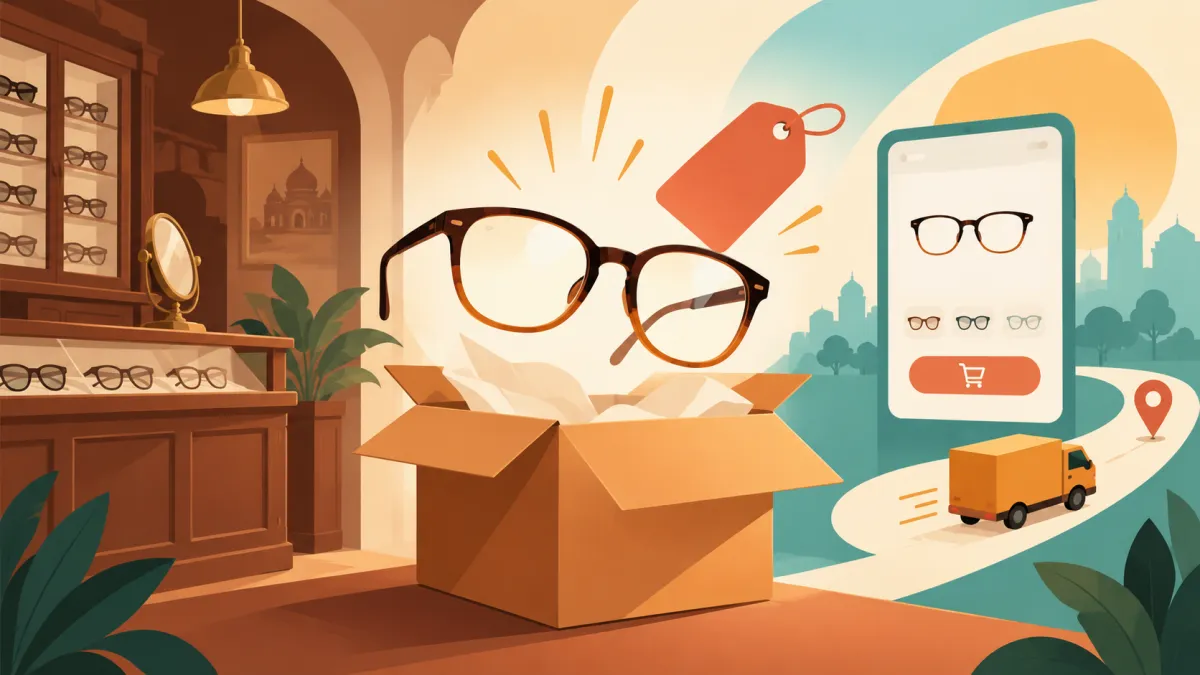
Read more →Lenskart set out to make eyewear affordable and easy to buy online in a market where glasses were expensive and shopping for them felt outdated.
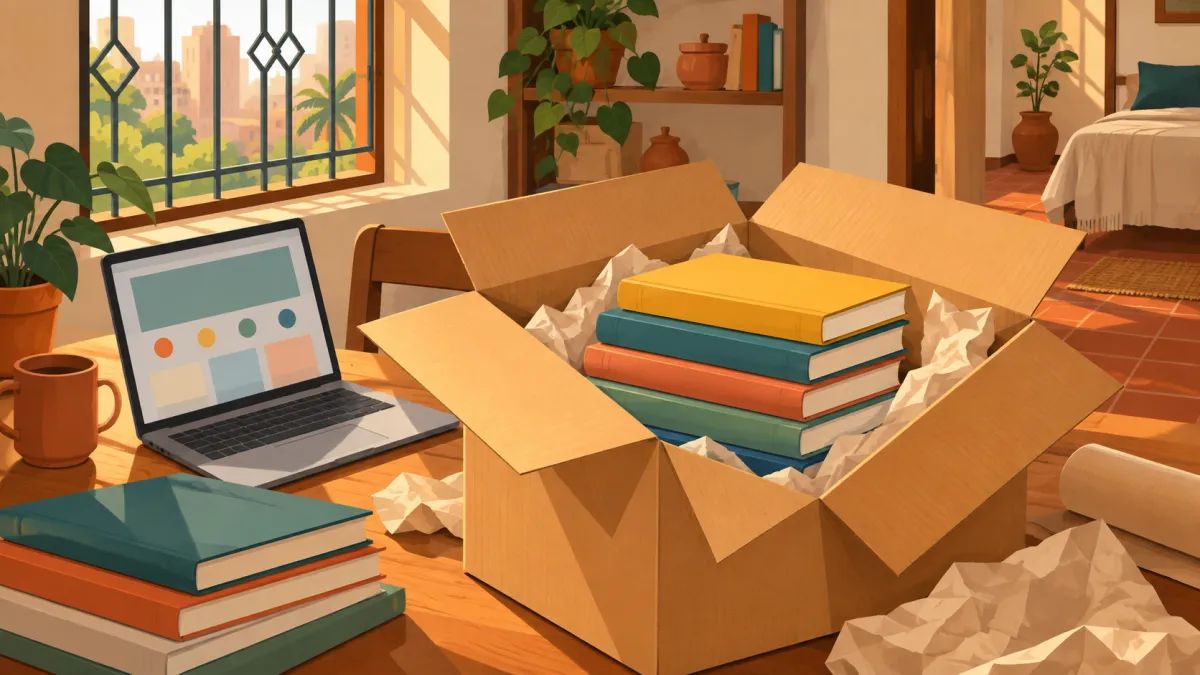
Read more →Flipkart began by selling books online from a small apartment, at a time when most Indians had never made a purchase over the internet.
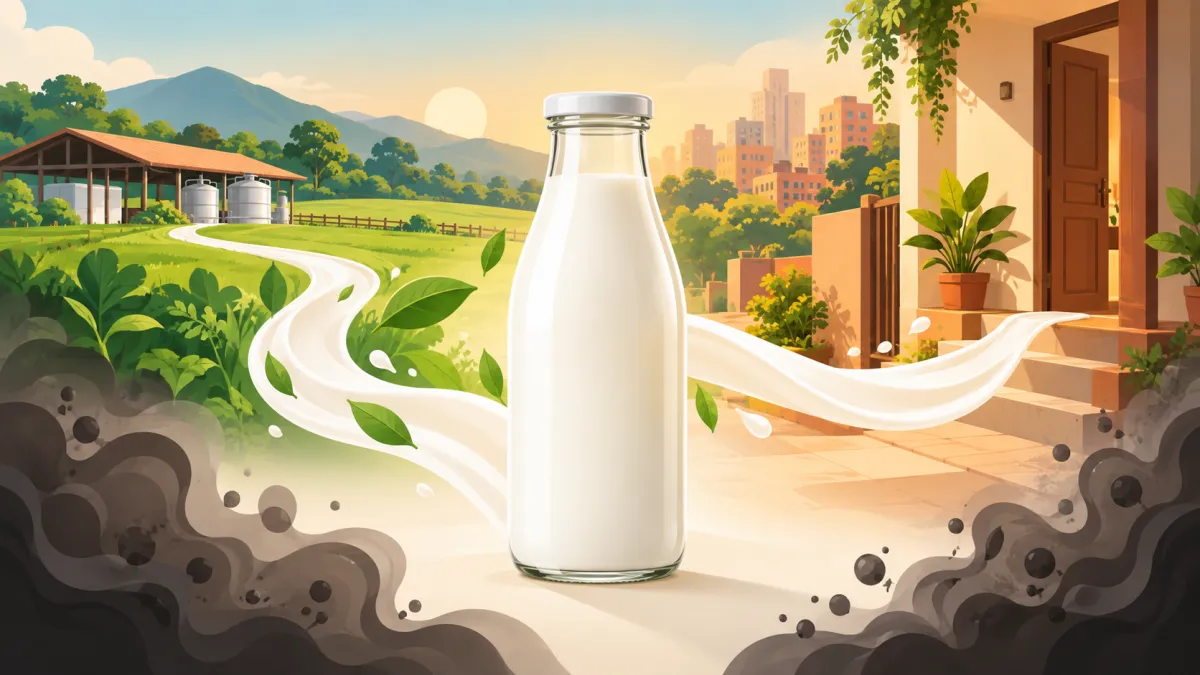
Read more →Country Delight began by delivering fresh, unadulterated milk straight from farms to city homes, tackling a trust problem hiding in plain sight.
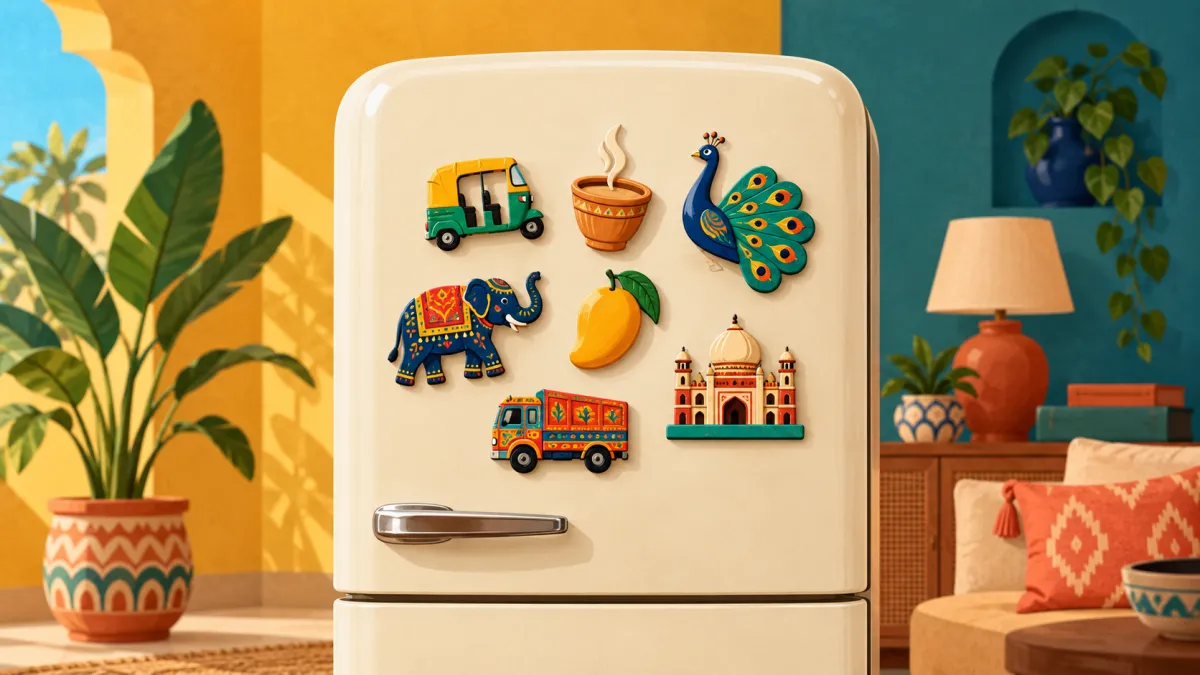
Read more →Chumbak began with quirky, colourful fridge magnets celebrating Indian icons, before growing into a full lifestyle and home décor brand.
Read more →Bombay Shaving Company set out to bring proper grooming tools and a better shave to Indian men used to underwhelming, generic razors.
Read more →