
Refund vs replacement, which should you offer?
A refund returns the cash and a replacement sends another item, and which one is right depends on the problem, your stock and what the customer actually wants.
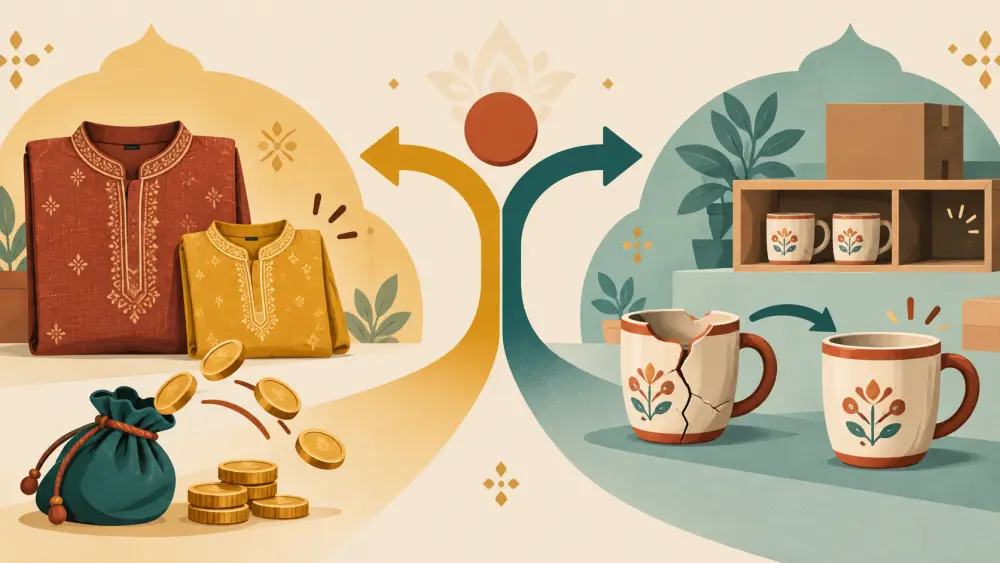
When something goes wrong with an order, there are two common ways to make it right. Refund the money, or send a replacement. Neither is always correct. The better choice depends on what went wrong and what you have on your shelf.
Two stories
The wrongly sized kurta. A customer ordered a kurta in M and it does not fit. She still likes it. Here a replacement in L may be exactly what she wants, as long as you have an L. A refund would end the relationship over a size problem that has a simple fix. This is closer to an exchange, and handling size exchange requests for clothing covers it.
The damaged mug. A mug arrives cracked. A replacement means sending another mug, with a real chance that it breaks too if the packing was weak. A refund closes the matter at once. But she may still want the mug.
So the question is not "which policy do we have." It is "what does this customer need, and what can I do cleanly?"
What each option does to your cash
A refund returns the amount you were paid. You lose the sale. You may also lose the product, if it is damaged or unsellable, plus the shipping you paid both ways.
A replacement keeps the customer's money but costs you another unit and another courier charge. Your cash does not come back, you spend more.
In practice:
- Refund: lower effort, immediate end, sales lost.
- Replacement: higher effort and cost per case, sale kept if it succeeds.
What each does to your stock
A replacement needs inventory. If the mug is a one-off or your last unit, you cannot replace it. If you are running low on the kurta in L, giving it as a replacement means a later customer sees it sold out. Decide before you promise.
A refund does not require any stock. Returned items go back to the shelf only if they are fit to sell, so check them first. Keeping damaged and returned stock separate shows a simple way.
A short decision guide
- Ask what the customer wants. Many will tell you straight away.
- If the product itself was faulty or damaged, offer a choice if you can. Some want their money back, others want the item.
- If it is a fit or choice problem, favour exchange or replacement when stock allows.
- If you cannot send a replacement on time, or the customer has lost trust, refund without arguing.
- If you replace and the second one fails too, switch to a refund.
For the damaged case specifically, see replace or refund a damaged order, which first.
About obligations
I will not claim what you are legally required to give in each case. Your own written return policy sets expectations, and if you have doubts about your duties, ask a professional. Writing a return policy for a small store helps you put your choices into words.
In the Varchas admin
When you refund an online-paid order, there is a refund flow tied to Cashfree, described in processing a full refund via Cashfree. A replacement is a new shipment you arrange yourself, so keep a note on the original order about what you sent.
Next step
Write down, for your top three products, which remedy you would pick for a size problem and which for damage. That small list makes every future message quicker.