
How to handle size exchange requests for clothing
A size exchange is easier on both sides than a refund, if you follow a simple flow and check stock first. Here is a step-by-step way to run it from your phone.
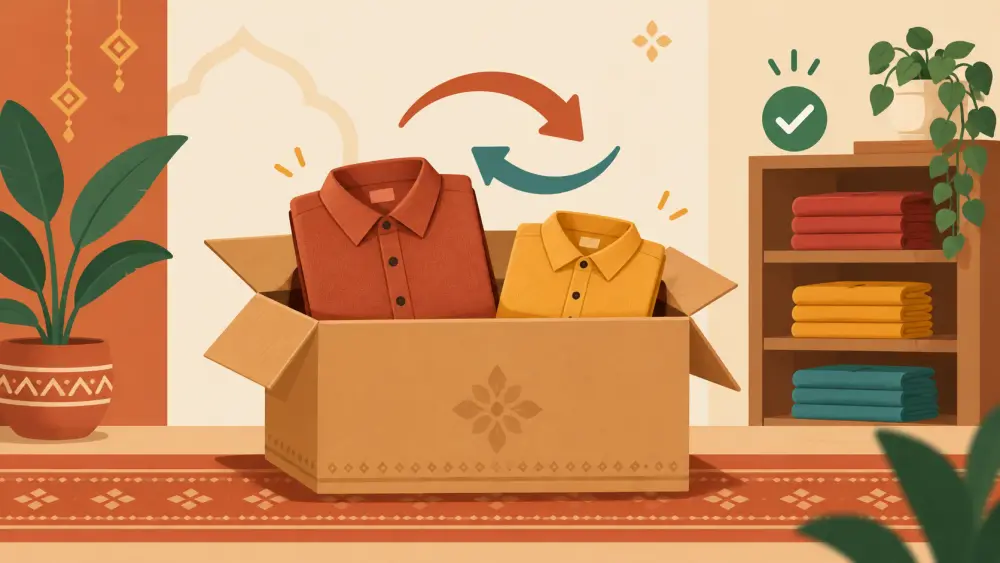
Clothing sellers hear "it doesn't fit" more than any other complaint. Many of those customers still like the design, which means an exchange can save the sale. The trick is a flow that is the same every time, so you are not reinventing it in a chat at 10 pm.
Step one, check stock before you promise
The first thing to do when a request arrives is open your stock list. Do not reply "sure, we will exchange" until you know the requested size exists. If the size is out, you would have promised something you cannot deliver, and the customer waits for nothing.
A tidy habit is to keep a live count per size. If you need a hand with that, How to track stock per variant in your catalogue is worth a read.
Step two, confirm the right size
Do not just swap L for XL because the buyer asked. A wrong second size causes a second exchange, which doubles your cost. Ask one or two simple questions.
- Which size did you order, and how did it feel: tight at the chest, short in length, loose at the waist?
- What are your measurements, or what size do you usually wear in other brands?
Then compare with your size chart. If you have not made one, Make a size chart for your clothing store will help you set it up, and Body measurements vs garment measurements explained clears up the usual confusion.
Step three, state the terms of the exchange
Before the customer sends anything back, tell them in one message:
- the condition the garment must be in (unworn, unwashed, tags on, if that is your rule),
- who pays the return and the re-send shipping, according to your policy,
- what happens if the requested size runs out in the meantime: a refund, store credit or a different item,
- how long you will hold the new size for them.
Holding stock for a few days is a courtesy that costs you little for a regular item, but note it so you can release the piece if the buyer goes silent.
Step four, track the swap
Create a simple entry for each exchange: the order number, old size, new size, date the request came in and date the old piece was received. A spreadsheet is enough. This prevents the classic problem of sending the new size and never recording that the old one came back, which leaves your stock count wrong.
Step five, inspect on return
When the original garment arrives, check it against your condition rule. If it is fine, put it back into stock under the right size. If it is not, contact the customer with photos and explain your next step, politely and without blame. Keep this consistent with how you deal with other return requests.
Step six, send the new size with care
Pack the replacement as carefully as a new order. Include a short note thanking them for their patience. Share the tracking details as soon as you have them. If you need help with that message, see Order tracking your customers can trust.
Know the cost
An exchange is rarely free. You may pay shipping twice or more, and the returned piece has to be checked and refolded. Still, compare it with the alternative. A refund means losing the sale and also paying for the return. If you want numbers, Exchange vs refund, cost comparison walks through it with illustrative figures.
Reduce the number of requests
The best exchange is the one that never happens. Add measurements in centimetres or inches to every listing, state clearly if a piece runs small or large according to your own experience, and show the garment on a body or a hanger with a visible scale. Notice which sizes come back most often and adjust the chart or the description.
A calm, predictable exchange process tells customers that buying from you is safe, even when the first size is wrong.