
What to do when an RTO parcel reaches you
When an undelivered parcel lands back on your table, a short routine of inspecting, restocking and logging the reason turns a loss into a lesson. Here is the order of steps.
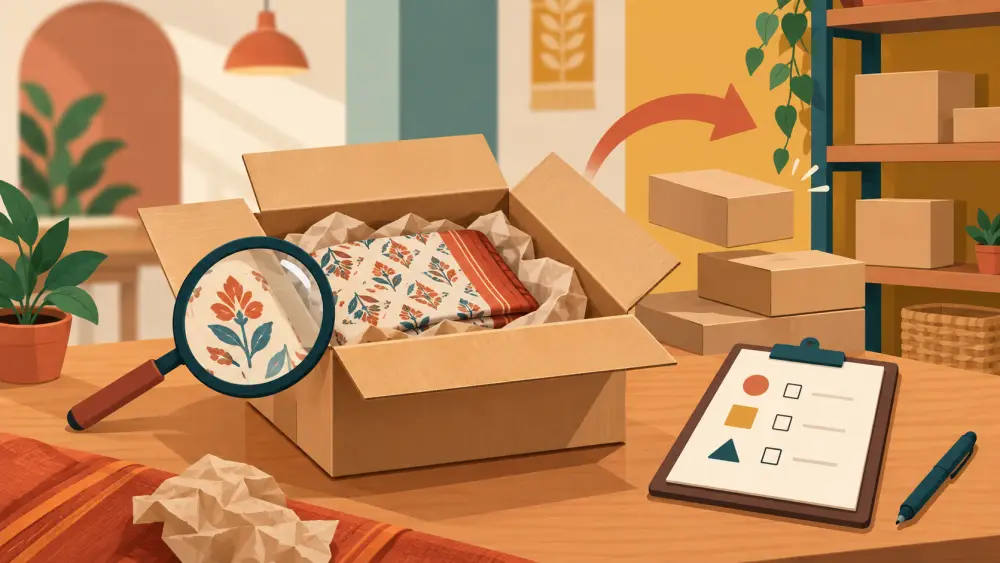
The parcel is back, now what
A box you sent days ago is on your table again. It may look fine or it may look beaten up. The temptation is to toss it in a corner and deal with it later, and that is exactly how stock gets lost and patterns get missed. A small routine, done the same way every time, protects your money.
Step one, record that it arrived
Before you open anything, note it down. Write the order number, the date it came back, and what the courier or tracking page said about the reason. If you have a sheet for returns, add a new row now. Do this even if you think you will remember, because you will not remember ten parcels from now.
Step two, open it on camera
Take a short video as you open the parcel, showing the box from all sides before the first cut. This is a habit worth building, because a clear record protects you if there is any question about damage or missing items. How to inspect carefully is covered in how to inspect a returned parcel.
Step three, inspect the contents
Check whether the item is the one you sent, whether it is complete, and whether it is in sellable condition. Look for damage, missing parts, opened seals, smells and signs of use. Compare against how you packed it. Do not assume a return is the customer's fault or that it is perfectly fine. Look and decide.
Step four, decide where the item goes
Your choices are usually simple.
- Good as new. Restock it. Clean the outside, check expiry or batch details for anything consumable, and place it back on the shelf with your other units.
- Slightly affected. If it can be repaired or repacked, do that and perhaps sell it as an open-box or discounted item, labelled honestly.
- Not sellable. Set it aside, photograph it and note the reason. Do not mix it with good stock.
Items that touch the body or food need extra care, so be strict. If you are not fully sure an item is safe to resell, do not resell it.
Step five, update your stock
Update your inventory count so your store shows the right availability. A unit that came back but sits unrecorded in a box is a unit you cannot sell. A unit you restocked without counting can cause overselling. Either way the count should match the shelf.
Step six, log the reason and the fix
Write down why the parcel came back and what you could change. Maybe the phone was unreachable, the address was unclear, or the customer changed their mind. A pattern over many parcels will show you where to spend effort. See how to track RTO reasons so you can fix your process.
About shipping charges
I cannot say whether or how any courier refunds shipping on a returned parcel. That depends on the service and your agreement, so read your own terms and keep your tracking records handy. Do not count on a refund until you have seen it.
Count the true cost
Once the parcel is logged, you can work out what it cost you using the cost of a returned order, step by step. Knowing the real number helps you decide how much prevention is worth, and it makes the next RTO a little less painful.
Keep it light
A routine like this takes ten minutes per parcel. Put it on a small checklist near your packing table so anyone helping you follows the same steps. Over time, your calm process becomes one of the quiet strengths of your business.