
What is MOQ? (and why it matters for your store)
MOQ is the minimum order quantity a supplier will sell you, and when it is higher than you want to test, it affects your cash, storage and risk.
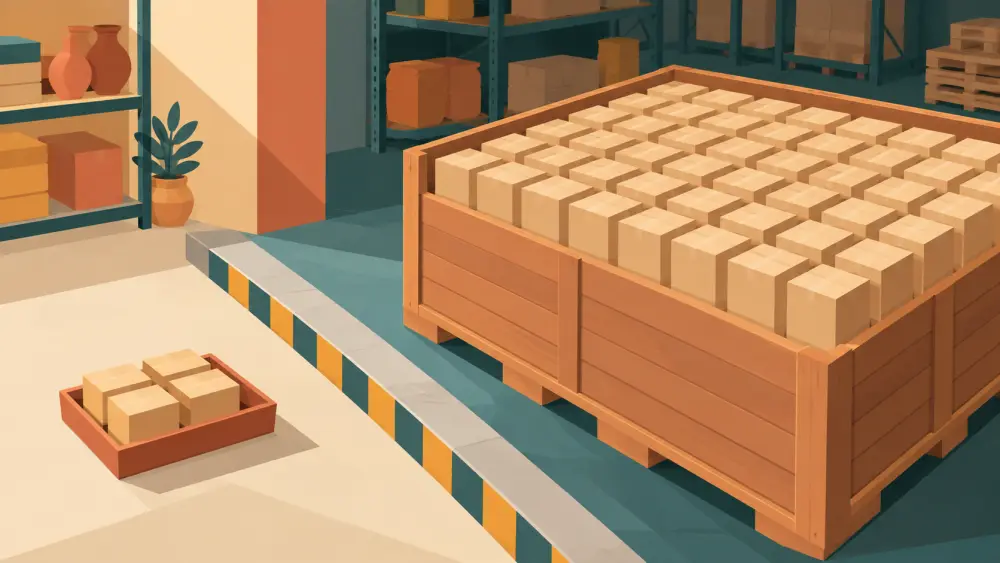
You find a supplier with a great product, message to ask the price, and get a reply: "MOQ 100 pieces." If you have never heard the term, it feels like a wall. It is just a rule, and understanding it helps you decide what to do.
The meaning
MOQ stands for minimum order quantity. It is the smallest number of units a supplier or manufacturer is willing to sell in one order. Below that number, they either refuse or charge more per piece.
Suppliers set it because producing, packing and handling a small batch costs them nearly as much effort as a larger one. Setting up a machine, buying a minimum amount of raw material, or printing your label may only make sense above a certain volume.
The problem from the buyer's side
Say you want to test a new product and you would be comfortable buying 20 pieces. The supplier says the MOQ is 100. Suppose a piece costs Rs 150 at that quantity. Then 100 units means Rs 15,000 of your money sitting in boxes before you know if anyone wants them. These numbers are only an illustration.
For a small seller, that is a real risk:
- Your cash is locked up. You may not be able to buy anything else.
- You need space to store the stock.
- If the product does not sell, or sells slowly, you carry the loss.
- Some products expire, fade or go out of style.
Bulk boxes vs small batches cash maths helps you weigh this with your own numbers.
What to do when the MOQ is too high
You have options. None are guaranteed to work, because every supplier is different.
- Ask politely about a smaller trial order. Explain you are a new seller testing the market and may reorder. Some will allow it at a slightly higher price per piece, and that extra price may be worth it for the lower risk.
- Ask whether you can mix designs, sizes or colours within one MOQ, so you are not stuck with 100 of the same thing.
- Look for other suppliers with lower minimums, even if their price per piece is higher.
- Split with another seller. If you know someone who also needs the product, buying together can work, if you agree terms clearly in writing.
- Order a sample first. Many suppliers sell one or two pieces at a higher price so you can check quality.
- Pre-sell. Take pre-orders from your followers to cover part of the stock, being clear about the wait.
Do the sums before saying yes
Work out your landed cost per unit, including shipping to you and any other charges, as in landed cost per unit explained. Then ask how many units you can realistically sell in two or three months. If the MOQ is far above that, the savings per piece may not be worth the cash trapped. See also working capital simple formula for sellers.
A note on honesty
Do not tell a supplier you will order hundreds if you will not. A trusted relationship matters when you want a favour later. Equally, do not feel pressured by "limited stock" lines. A good supplier will still be there after you have done your sums.
MOQ is a negotiation, not just a number. Understand it, compare your options, and start with the smallest commitment that still lets you test the product properly.