
"What are terms and conditions for a store?"
Terms and conditions are the house rules of your store, covering how orders, prices, delivery and disputes work, so customers and you share the same expectations before a sale.
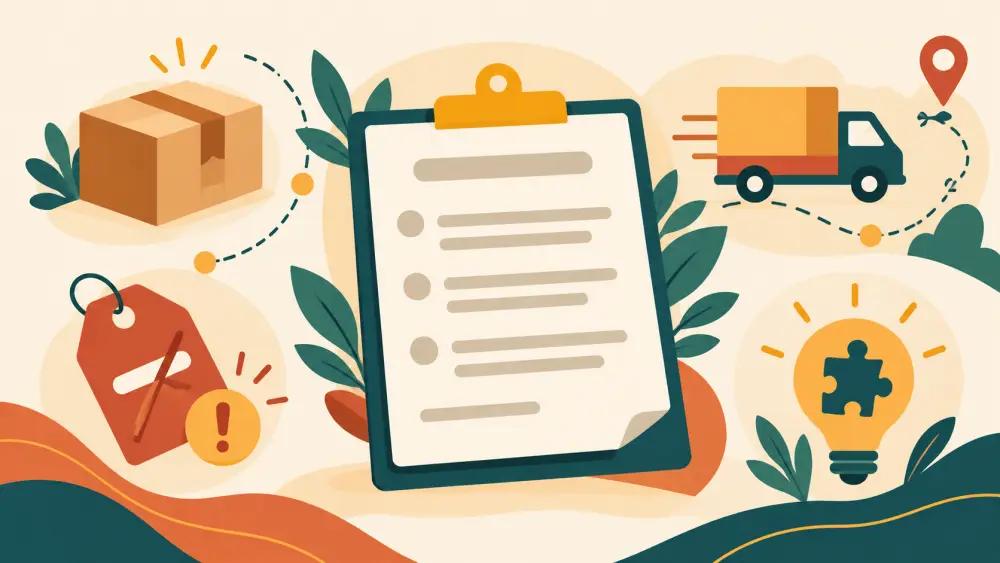
Every shop has unwritten rules. You do not hand out samples to everyone, you close on Sundays, you do not bargain on fixed price items. Online, those rules need to be written down, because the customer cannot see your face or read the mood in the room. That written set is the terms and conditions page, often shortened to T and C.
What the page is for
It sets expectations about the sale. When a question arises later, such as why an order was cancelled or why a delivery took longer, you can point to a rule that was visible from the start. That makes conversations calmer for both sides.
This post explains the concept only. Terms can have legal effect, and what is appropriate for you depends on your products and situation. Treat any wording here as an idea, not binding text, and have a qualified professional review your final page.
Topics most stores cover
A short, readable terms page often has headings like these.
- Who we are. Your store name and contact details.
- Orders. An order is a request until you confirm it, and you may cancel an order if an item is unavailable.
- Pricing. Prices can change, and what happens when a price is displayed wrongly.
- Payments. Which payment modes you accept, including COD.
- Delivery. Estimated, not guaranteed, delivery times, and what happens if the address is wrong or incomplete.
- Returns and refunds. A pointer to your return and refund pages.
- Product information. Colours and sizes can look slightly different on different screens.
- Misuse. What you do if someone abuses the store or places fake orders.
- Changes. You may update the terms, and the date at the top shows the latest version.
- Contact. Where to write for help.
Varchas Stores storefronts include a terms page, linked from the footer and checkout, so customers can see the rules while placing an order.
One example clause idea
Pricing errors are a good example, because they happen. A small seller may type Rs 199 instead of Rs 1,999 by mistake and wake up to ten orders.
A clause could say, in plain words, that if a product is listed at an obvious wrong price, you may cancel the order and refund any payment made, and you will tell the customer. That idea shows the approach, but the exact wording and whether it holds up is something to settle with a professional. It also helps to check your own listings. How to keep product data consistent across listings reduces such errors.
Make the delivery section honest
Customers get angry when a promise is missed. Say what you can control, like when you will dispatch, and be careful about what you cannot, like exact arrival times. Setting honest delivery time expectations can help you phrase it.
Keep it readable
Long legal blocks go unread. Use short headings, short sentences and Indian English that a customer would speak. Avoid copying another store's terms word for word. Their business is not yours, their rules may not match your practice, and a clause you do not follow becomes a problem.
A simple review routine
Read your terms once every few months. Does each rule match what you really do? Does your return policy page agree with it? What is a return policy can help you align them.
Good terms feel boring to write and quietly useful to have. They make your store look like a real business, and they give you something firm to stand on when a disagreement needs to be settled fairly.